
Hammertoe Surgery Facts

Hammertoe causes one of the smaller toes to bend downward at the middle joint instead of remaining straight. The affected toe may resemble a hammer, which is how the condition gets its name. Hammertoe often develops gradually and becomes more painful as the deformity progresses. Common symptoms include toe stiffness, discomfort while walking, and difficulty finding comfortable shoes. Some people also develop corns or calluses where the bent toe rubs against footwear. Risk factors include wearing narrow shoes, having a muscle imbalance, and inheriting certain foot structures. Arthritis and bunions may also contribute to changes in toe alignment, making early evaluation helpful.

In its early stages, a hammertoe may remain flexible, meaning the toe can still be gently straightened. A podiatrist may recommend wider shoes, protective padding, or custom orthotics to reduce pressure and improve comfort. These treatments can help manage symptoms, although they cannot always correct an established deformity. Surgery is not necessary for every person with hammertoe. It may become an option when the toe remains painful despite conservative care, becomes rigid, or interferes with walking and everyday activities. The benefits of hammertoe surgery include straighter toe alignment, less rubbing against shoes, and improved comfort during movement. A podiatrist evaluates the severity of the deformity and discusses suitable options based on your needs.


The type of hammertoe surgery depends on whether the affected joint remains flexible and how much the toe has changed. For a flexible deformity, a podiatric surgeon may release or reposition a tendon to help straighten the toe. If the joint has become rigid, the surgeon may remove a small portion of bone or perform a procedure that allows the toe bones to align properly. In some cases, a temporary pin or another fixation device holds the toe in position while healing begins. The procedure may be performed using local anesthesia, sometimes with additional sedation. Potential risks include infection, delayed healing, and recurrence. Smoking, diabetes, and circulation problems may increase certain surgical risks, so your medical history must be reviewed beforehand.


After hammertoe surgery, the podiatrist provides instructions for protecting the toe and supporting healing. You may need a surgical shoe or dressing to keep pressure off the treated area. Follow-up visits allow the podiatrist to inspect the incision and monitor alignment. Keeping the foot elevated and following weight-bearing instructions help manage swelling and protect the repair. The return to regular shoes depends on the procedure and your healing progress. Although surgery improves comfort and toe position, results vary between individuals. If you have a painful hammertoe that affects walking or shoe fit, it is suggested that you consult a podiatrist who can discuss the benefits of this type of foot surgery with you. 

Foot surgery is sometimes necessary to treat a foot ailment. To learn more, contact one of our podiatrists of Dr. Jeffrey J. Betman & Associates . Our doctors will assist you with all of your foot and ankle needs.

When Is Surgery Necessary?

Foot and ankle surgery is generally reserved for cases in which less invasive, conservative procedures have failed to alleviate the problem. Some of the cases in which surgery may be necessary include:

  • Removing foot deformities like bunions and bone spurs
  • Severe arthritis that has caused bone issues
  • Cosmetic reconstruction

What Types of Surgery Are There?

The type of surgery you receive will depend on the nature of the problem you have. Some of the possible surgeries include:

  • Bunionectomy for painful bunions
  • Surgical fusion for realignment of bones
  • Neuropathy decompression surgery to treat nerve damage

Benefits of Surgery

Although surgery is usually a last resort, it can provide more complete pain relief compared to non-surgical methods and may allow you to finally resume full activity.

Surgical techniques have also become increasingly sophisticated. Techniques like endoscopic surgery allow for smaller incisions and faster recovery times.

If you have any questions, please feel free to contact our offices located in Northwest Chicago, Southwest Chicago, and Wicker Park, Chicago, IL . We offer the newest diagnostic and treatment technologies for all your foot care needs.
Read more about Foot Surgery

Athlete’s Foot and Podiatric Care

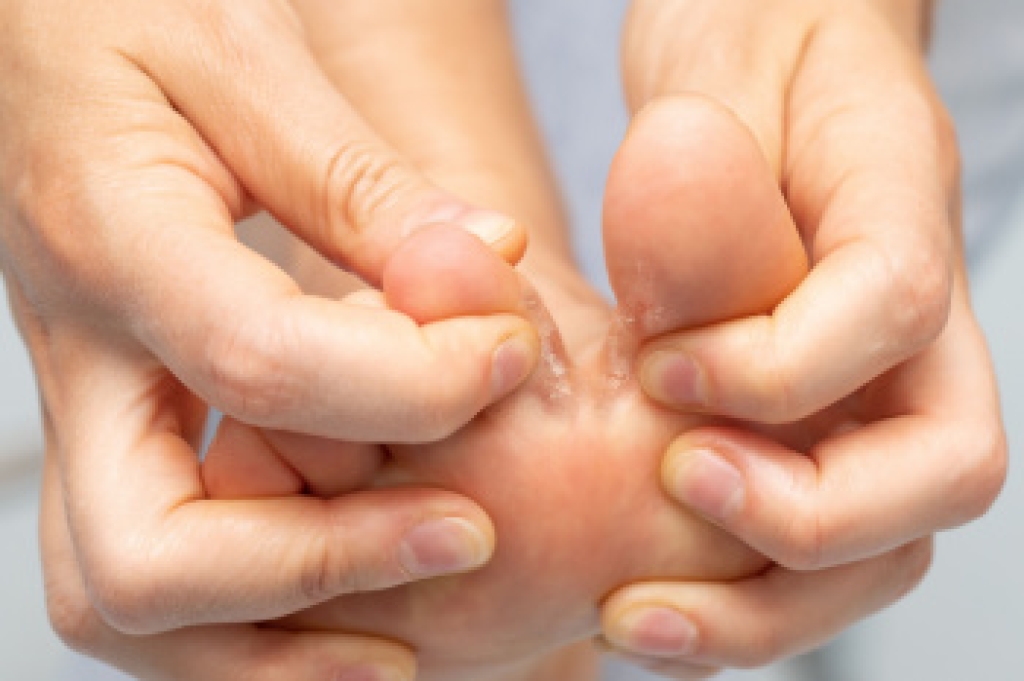
Athlete’s foot is a fungal skin infection that causes uncomfortable changes to the feet. It develops when fungus grows in warm, damp conditions, especially between the toes. The infection can also affect the soles and heels, where skin becomes dry and flaky. Symptoms include itching, redness, and peeling skin. Some patients develop blisters or painful cracks. Athlete’s foot can spread through contact with infected skin or contaminated surfaces. Public showers, swimming pools, and changing rooms are places where the fungus can spread. Despite its name, this infection affects more than athletes.

The appearance of athlete’s foot depends on where the infection develops. Skin between the toes may look white and soggy, while the heels can become rough and scaly. Cracks in the skin sometimes make standing or walking uncomfortable. The fungus can spread to the toenails, causing them to become thick or yellow. Nail infections can be harder to clear than skin infections. Athlete’s foot can spread to other areas of the body through contact. People with sweaty feet face a greater risk because moisture encourages fungal growth. Persistent symptoms deserve attention before the infection becomes more difficult to treat.

A podiatrist can examine the affected skin and determine whether athlete’s foot is causing the symptoms. Treatment depends on the location and severity of the infection. A podiatrist can recommend an antifungal cream or spray and explain how long treatment should continue. More severe infections can require prescription antifungal tablets. When the fungus reaches the toenails, a podiatrist can assess the nails and reduce their thickness to support treatment. The podiatrist can identify factors that encourage repeated infections and discuss ways to lower future risk. If you have symptoms of athlete’s foot, it is suggested that you schedule an appointment with a podiatrist for a diagnosis and appropriate treatment, which may include prescribed medication.

Athlete’s Foot

Athlete’s foot is often an uncomfortable condition to experience. Thankfully, podiatrists specialize in treating athlete’s foot and offer the best treatment options. If you have any questions about athlete’s foot, consult with one of our podiatrists from Dr. Jeffrey J. Betman & Associates . Our doctors will assess your condition and provide you with quality treatment.

What Is Athlete’s Foot?

Tinea pedis, more commonly known as athlete’s foot, is a non-serious and common fungal infection of the foot. Athlete’s foot is contagious and can be contracted by touching someone who has it or infected surfaces. The most common places contaminated by it are public showers, locker rooms, and swimming pools. Once contracted, it grows on feet that are left inside moist, dark, and warm shoes and socks.

Prevention

The most effective ways to prevent athlete’s foot include:

  • Thoroughly washing and drying feet
  • Avoid going barefoot in locker rooms and public showers
  • Using shower shoes in public showers
  • Wearing socks that allow the feet to breathe
  • Changing socks and shoes frequently if you sweat a lot

Symptoms

Athlete’s foot initially occurs as a rash between the toes. However, if left undiagnosed, it can spread to the sides and bottom of the feet, toenails, and if touched by hand, the hands themselves. Symptoms include:

  • Redness
  • Burning
  • Itching
  • Scaly and peeling skin

Diagnosis and Treatment

Diagnosis is quick and easy. Skin samples will be taken and either viewed under a microscope or sent to a lab for testing. Sometimes, a podiatrist can diagnose it based on simply looking at it. Once confirmed, treatment options include oral and topical antifungal medications.

If you have any questions, please feel free to contact our offices located in Northwest Chicago, Southwest Chicago, and Wicker Park, Chicago, IL . We offer the newest diagnostic and treatment technologies for all your foot care needs.

Read more about How to Deal with Athlete's Foot

Connect With Us

Advanced Podiatric Procedures & Services in the Cook County, IL: Northwest Chicago (Maywood, Elmhurst, Cicero, Oak Park, Rosemont, Evanston, Des Plaines, Glenview, Elk Grove Village, Lombard), Ukrainian Village / Wicker Park (Norridge, Maywood, Melrose Park, Berwyn, Westchester, Lincolnwood, Niles) and Southwest Chicago (Bridgeview, Burbank, Alsip, Orland Park, Lemont, Tinley Park) areas