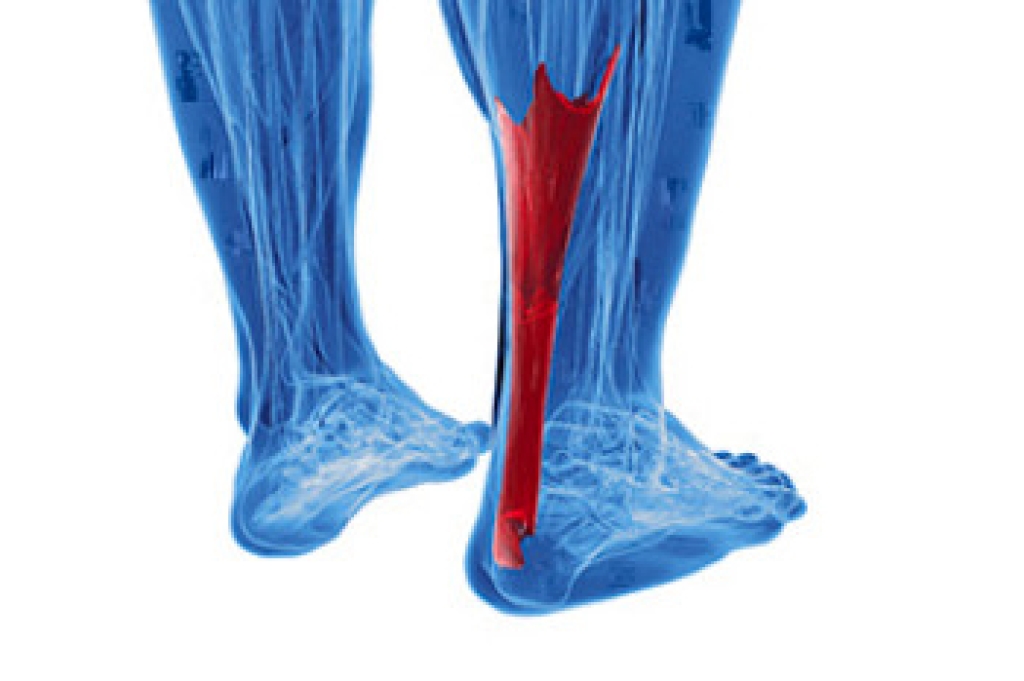
How Hammertoes Affect Movement and Cause Foot Strain

A hammertoe occurs when one of the smaller toes bends abnormally at the middle joint, but the effects often extend beyond the toe itself. This change in position can alter how weight is distributed across the foot, placing added pressure on the ball of the foot and surrounding structures. As the body adjusts to this imbalance, the way you walk may shift, leading to strain in the arch and increased tension along the plantar fascia, the band of tissue that supports the bottom of the foot. Over time, this added stress can contribute to discomfort in the heel, arch, or even the ankle and lower leg. A proper evaluation looks at both the toe deformity and overall foot function to identify the source of strain. Treatment may include padding, footwear changes, orthotics, or procedures to correct alignment. If symptoms persist, it is suggested that you see a podiatrist for a proper diagnosis and appropriate treatment.

Hammertoe

Hammertoes can be a painful condition to live with. For more information, contact one of our podiatrists from Dr. Jeffrey J. Betman & Associates . Our doctors will answer any of your foot- and ankle-related questions.

Hammertoe is a foot deformity that affects the joints of the second, third, fourth, or fifth toes of your feet. It is a painful foot condition in which these toes curl and arch up, which can often lead to pain when wearing footwear.

Symptoms

  • Pain in the affected toes
  • Development of corns or calluses due to friction
  • Inflammation
  • Redness
  • Contracture of the toes

Causes

Genetics – People who are genetically predisposed to hammertoe are often more susceptible

Arthritis – Because arthritis affects the joints in your toes, further deformities stemming from arthritis can occur

Trauma – Direct trauma to the toes could potentially lead to hammertoe

Ill-fitting shoes – Undue pressure on the front of the toes from ill-fitting shoes can potentially lead to the development of hammertoe

Treatment

Orthotics – Custom made inserts can be used to help relieve pressure placed on the toes and therefore relieve some of the pain associated with it

Medications – Oral medications such as anti-inflammatories or NSAIDs could be used to treat the pain and inflammation hammertoes causes. Injections of corticosteroids are also sometimes used

Surgery – In more severe cases where the hammertoes have become more rigid, foot surgery is a potential option

If you have any questions, please feel free to contact our offices located in Northwest Chicago, Southwest Chicago, and Wicker Park, Chicago, IL . We offer the newest diagnostic and treatment technologies for all your foot care needs.
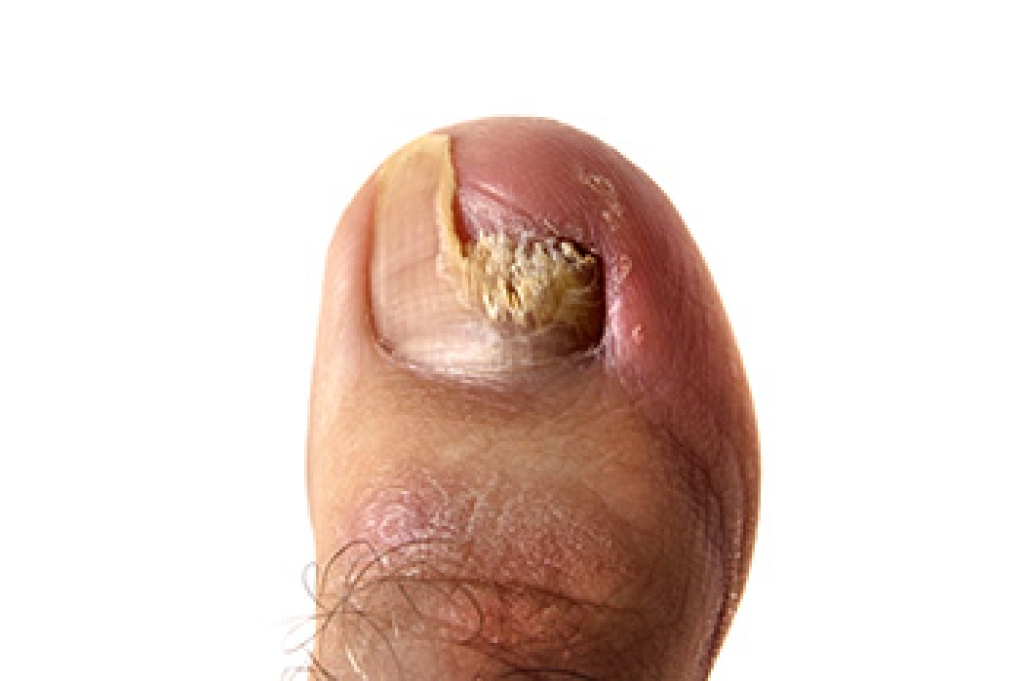
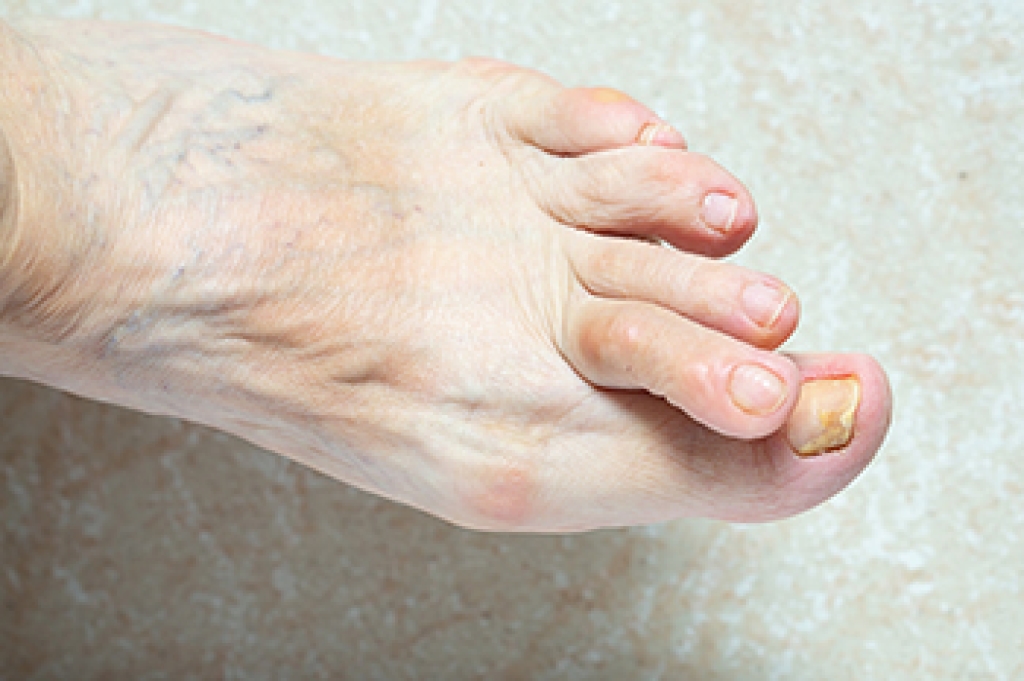
Read more about What Are Hammertoes?

Causes of Achilles Tendonitis

Achilles tendonitis causes pain and swelling in the tendon at the back of the heel. The Achilles tendon is a strong cord that connects the calf muscles to the heel bone. It can become irritated when it is overused or placed under too much stress. This might result from starting a new training program or attempting to resume a normal activity level after an injury. As calf muscles tighten they can increase tension on the tendon and lead to small tears in its fibers. Certain shoes also can contribute to Achilles tendonitis. Age, weight, and certain health conditions may further increase the risk. Pain may occur in the middle of the tendon or where it attaches to the heel. A podiatrist can identify the cause, evaluate movement, and provide treatment to reduce strain. If you are experiencing Achilles tendon pain, it is suggested that you make an appointment with a podiatrist for an exam, diagnosis, and treatment.

Achilles tendon injuries need immediate attention to avoid future complications. If you have any concerns, contact one of our podiatrists of Dr. Jeffrey J. Betman & Associates . Our doctors can provide the care you need to keep you pain-free and on your feet.

What Is the Achilles Tendon?

The Achilles tendon is a tendon that connects the lower leg muscles and calf to the heel of the foot. It is the strongest tendon in the human body and is essential for making movement possible. Because this tendon is such an integral part of the body, any injuries to it can create immense difficulties and should immediately be presented to a doctor.

What Are the Symptoms of an Achilles Tendon Injury?

There are various types of injuries that can affect the Achilles tendon. The two most common injuries are Achilles tendinitis and ruptures of the tendon.

Achilles Tendinitis Symptoms

  • Inflammation
  • Dull to severe pain
  • Increased blood flow to the tendon
  • Thickening of the tendon

Rupture Symptoms

  • Extreme pain and swelling in the foot
  • Total immobility

Treatment and Prevention

Achilles tendon injuries are diagnosed by a thorough physical evaluation, which can include an MRI. Treatment involves rest, physical therapy, and in some cases, surgery. However, various preventative measures can be taken to avoid these injuries, such as:

  • Thorough stretching of the tendon before and after exercise
  • Strengthening exercises like calf raises, squats, leg curls, leg extensions, leg raises, lunges, and leg presses

If you have any questions please feel free to contact our offices located in Northwest Chicago, Southwest Chicago, and Wicker Park, Chicago, IL . We offer the newest diagnostic tools and technology to treat your foot and ankle needs.

Read more about What are Achilles Tendon Injuries

Wounds That Don't Heal Need to Be Checked

Your feet are covered most of the day. If you're diabetic, periodic screening is important for good health. Numbness is often a sign of diabetic foot and can mask a sore or wound.

Connect With Us