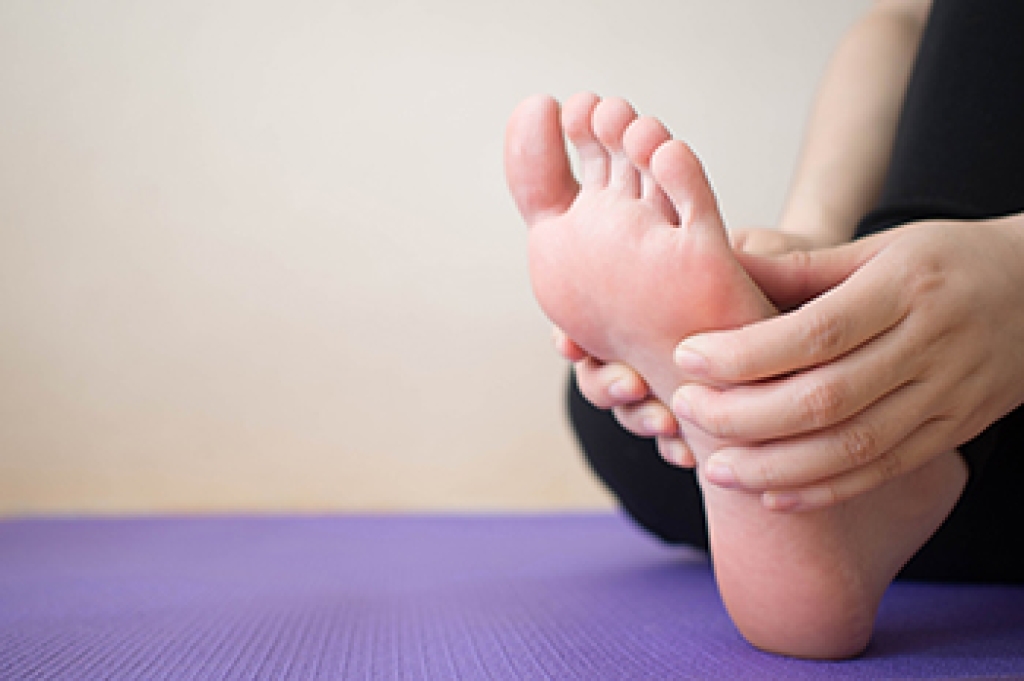
Signs of Cuboid Syndrome

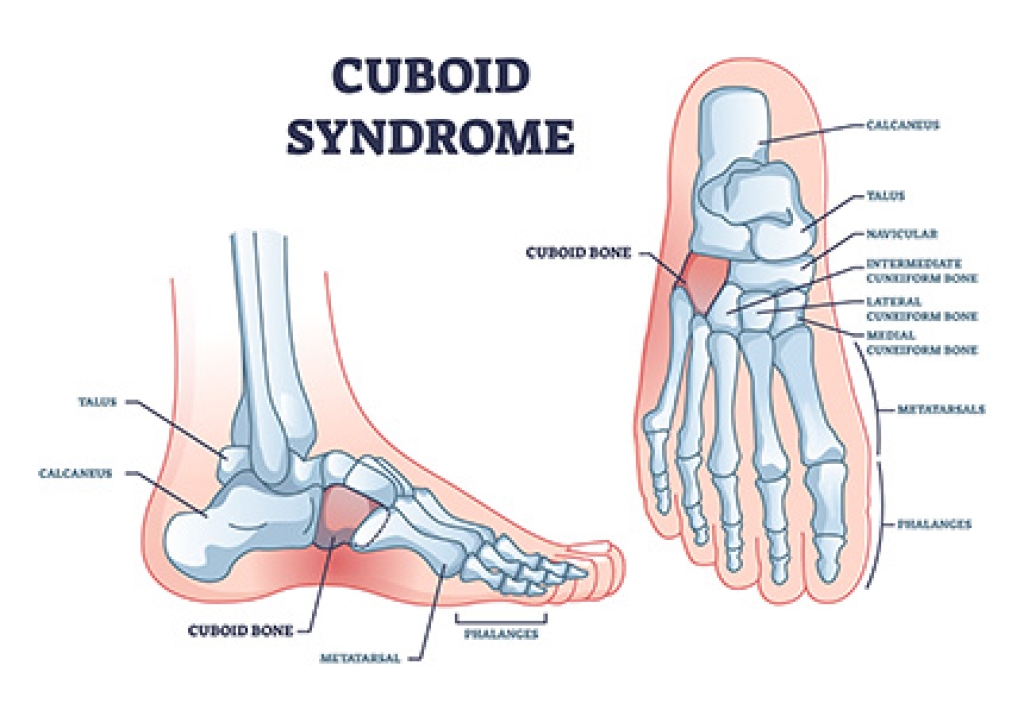
Cuboid syndrome develops when the cuboid bone and nearby joint in the foot move out of their normal position or become irritated. The cuboid is a small bone located on the outer side of the foot near the ankle. Pain from cuboid syndrome is usually felt along the outside of the foot. The area can also become tender or swollen. Some patients notice weakness in the foot or difficulty moving it normally. Pain can become worse when standing or placing weight on the affected foot.

An ankle injury can lead to cuboid syndrome, especially when the ankle rolls inward. Repetitive stress can also irritate the area. Activities that place repeated pressure on the feet, like running or dancing, can increase the risk. Foot structure can also play a role. People with flat feet can be more likely to develop cuboid syndrome because changes in foot mechanics can place extra stress on the cuboid area. Wearing shoes that are too tight can also contribute to foot problems. Because symptoms can resemble other injuries, determining the exact source of outer-foot pain is important.

A podiatrist can examine the foot to determine whether the cuboid area is causing the pain. The evaluation can include checking tenderness, joint movement, and how the foot functions when weight is placed on it. A podiatrist can also assess foot structure and walking patterns that could contribute to repeated stress. Treatment can focus on restoring proper movement and reducing pressure on the painful area. Supportive devices can also help address foot mechanics that contribute to symptoms.  An accurate diagnosis is important because fractures and other foot conditions can cause similar pain. If you have symptoms of cuboid syndrome, it is suggested that you schedule an appointment with a podiatrist for a diagnosis and appropriate treatment.

Cuboid syndrome, also known as cuboid subluxation, occurs when the joints and ligaments near the cuboid bone in the foot become torn. If you have cuboid syndrome, consult with one of our podiatrists from Dr. Jeffrey J. Betman & Associates . Our doctors will assess your condition and provide you with quality foot and ankle treatment.

Cuboid syndrome is a common cause of lateral foot pain, which is pain on the outside of the foot. The condition may happen suddenly due to an ankle sprain, or it may develop slowly overtime from repetitive tension through the bone and surrounding structures.

Causes

The most common causes of cuboid syndrome include:

  • Injury – The most common cause of this ailment is an ankle sprain.
  • Repetitive Strain – Tension placed through the peroneus longus muscle from repetitive activities such as jumping and running may cause excessive traction on the bone causing it to sublux.
  • Altered Foot Biomechanics – Most people suffering from cuboid subluxation have flat feet.

Symptoms

A common symptom of cuboid syndrome is pain along the outside of the foot which can be felt in the ankle and toes. This pain may create walking difficulties and may cause those with the condition to walk with a limp.

Diagnosis

Diagnosis of cuboid syndrome is often difficult, and it is often misdiagnosed. X-rays, MRIs and CT scans often fail to properly show the cuboid subluxation. Although there isn’t a specific test used to diagnose cuboid syndrome, your podiatrist will usually check if pain is felt while pressing firmly on the cuboid bone of your foot.

Treatment

Just as the range of causes varies widely, so do treatments. Some more common treatments are ice therapy, rest, exercise, taping, and orthotics.

If you have any questions, please feel free to contact our offices located in Northwest Chicago, Southwest Chicago, and Wicker Park, Chicago, IL . We offer the newest diagnostic and treatment technologies for all your foot care needs.


Read more about All About Cuboid Syndrome

Toe Fractures Explained

A broken toe, also called a toe fracture, occurs when one of the bones in a toe develops a crack or complete break. Fractures can happen from sudden force or repeated stress. A broken toe may cause pain, swelling, or bruising. Tenderness, or difficulty walking, can also occur. Some fractures are obvious, while smaller cracks may be mistaken for a sprain. Prompt evaluation can help determine the injury and guide appropriate treatment, especially when pain continues or the toe looks abnormal.

One common cause is a crushing injury, such as dropping a heavy object on the foot or having the toe caught under something. Another frequent cause is stubbing the toe forcefully against furniture, a doorway, or another hard surface. Sports injuries, falls, and accidental impacts can also fracture toe bones. Risk may increase with activities involving repeated foot stress or conditions that weaken bone strength.


Any toe can break, although the big toe and smaller toes can be injured in different ways. A big toe fracture may affect balance and walking because the toe carries important weight during movement. Smaller toe fractures often cause localized pain, swelling, bruising, and tenderness. A podiatrist evaluates the toe, checks circulation and sensation, and may order X-rays to determine the fracture location and severity.


Treatment depends on the type and position of the fracture. A podiatrist may protect the toe with taping, supportive footwear, or another appropriate method. The foot doctor may also recommend activity changes and follow-up visits to monitor healing. More serious fractures may require additional treatment to restore alignment. Following instructions can reduce complications and support recovery. Early podiatric care can help prevent unnecessary pain and delayed healing. If you have a broken toe or persistent foot pain after an injury, it is suggested that you consult a podiatrist for an accurate diagnosis and appropriate treatment.

A broken toe can be very painful and lead to complications if not properly fixed. If you have any concerns about your feet, contact one of our podiatrists from Dr. Jeffrey J. Betman & Associates . Our doctors will treat your foot and ankle needs.

What to Know About a Broken Toe

Although most people try to avoid foot trauma such as banging, stubbing, or dropping heavy objects on their feet, the unfortunate fact is that it is a common occurrence. Given the fact that toes are positioned in front of the feet, they typically sustain the brunt of such trauma. When trauma occurs to a toe, the result can be a painful break (fracture).

Symptoms of a Broken Toe

  • Throbbing pain
  • Swelling
  • Bruising on the skin and toenail
  • The inability to move the toe
  • Toe appears crooked or disfigured
  • Tingling or numbness in the toe

Generally, it is best to stay off of the injured toe with the affected foot elevated.

Severe toe fractures may be treated with a splint, cast, and in some cases, minor surgery. Due to its position and the pressure it endures with daily activity, future complications can occur if the big toe is not properly treated.

If you have any questions, please feel free to contact our offices located in Northwest Chicago, Southwest Chicago, and Wicker Park, Chicago, IL . We offer the newest diagnostic and treatment technologies for all your foot care needs.

Read more about What to Know About a Broken Toe

Lumps Along the Arch of the Foot

Plantar fibromatosis is a condition in which firm nodules develop within the plantar fascia, which is the thick band of tissue that supports the arch along the bottom of the foot. These growths are usually noncancerous, but they may become uncomfortable over time, especially while walking or standing for long periods. Many people first notice a small lump in the arch that slowly becomes more noticeable or tender with pressure. In some cases, the nodules remain painless, while others may experience aching, irritation, or difficulty wearing certain shoes comfortably. The exact cause is not always clear, but the condition has been linked to repetitive stress, genetics, and certain medical conditions. A podiatrist can examine the foot, evaluate the size and location of the growths, and recommend treatment to reduce discomfort and improve mobility. Care may include orthotics, padding, stretching, injections, or additional treatment for more advanced cases. If you notice painful lumps or thickened tissue along the arch of the foot, it is suggested that you visit a podiatrist for evaluation and appropriate treatment.

A plantar fibroma may disrupt your daily activities. If you have any concerns, contact one of our podiatrists of Dr. Jeffrey J. Betman & Associates . Our doctors can provide the care you need to keep you pain-free and on your feet.

Plantar Fibroma

A plantar fibroma is a fibrous knot in the arch of the foot. It is embedded in the plantar fascia which is a band of tissue that extends from the heel to the toes along the bottom of the foot. There can be multiple plantar fibromas in the feet at the same time. There are no known causes for this condition. If you have a plantar fibroma, there will be a bump in the arch of your foot that cannot be missed. Any associated pain is most often due to a shoe rubbing against the nodule. Non-surgical options, such as steroid injections, physical therapy, and orthotics should be tried first. Surgery is a last resort and is the only thing that will remove a plantar fibroma entirely. Consult with a podiatrist for a proper diagnosis and to determine the treatment regimen that is right for you.

What Causes a Plantar Fibroma?

While there are no specific causes identified, a plantar fibroma can possibly come from genetic predisposition or the formation of scar tissue that forms from healing the tears in the plantar fascia.

What Are the Symptoms of a Plantar Fibroma?

There will be a noticeable lump in the arch of the foot that may or may not cause pain. If pain is felt, it is typically because a shoe is rubbing up against the lump or when walking or standing barefoot.

Treatment and Prevention

A plantar fibroma will not disappear without treatment, but it can get smaller and be a non-issue. If pain persists, a podiatrist examines the foot and when the arch of the foot is pressed, pain can be felt down to the toes. An MRI or biopsy might be performed to help diagnose or evaluate the plantar fibroma. The following non-surgical options are generally enough to reduce the size and pain of these nodules:

  • Steroid injections
  • Orthotics
  • Physical therapy to help apply anti-inflammatory creams on the bump 

Surgery is considered if the mass increases in size and the patient continues to feel pain after non-surgical methods are tried.

If you have any questions, please feel free to contact our offices located in Northwest Chicago, Southwest Chicago, and Wicker Park, Chicago, IL . We offer the newest diagnostic and treatment technologies for all your foot care needs.
Read more about Plantar Fibroma

Podiatric Care for Ankle Pain and Injuries

Ankle pain can interfere with walking, exercise, and everyday activities that require movement. The ankle connects the leg to the foot and allows the foot to move up, down, and from side-to-side. Pain can develop suddenly after an injury or result from a condition. An ankle sprain is one possible cause. Arthritis and tendon irritation can also cause discomfort. Other causes include fractures, nerve compression, and poor alignment of the foot or leg. The cause can affect how long symptoms last and how severe they become.

Ankle pain can occur alone or appear with swelling, stiffness, and redness. Warmth surrounding the joint can also develop. These signs can help identify what is affecting the ankle. Sports that involve jumping or quick changes in direction can increase the chance of an ankle injury. Basketball and volleyball are examples. Wearing  shoes that lack proper support can also place added stress on the feet and ankles. Ankle instability can develop after a previous injury and make the joint feel weak or unreliable when standing or walking.

A podiatrist can examine the ankle, review how the injury occurred, and assess the way the foot moves. This evaluation can help identify whether pain comes from a sprain, arthritis, or another problem. Treatment can include a brace, splint, or orthotic insert depending on the cause and severity. Orthotic inserts are devices placed inside shoes to improve support and alignment. More serious ankle problems can require surgery. A podiatrist can also guide a patient toward safe movement as the ankle recovers. Proper diagnosis is important because different causes of ankle pain determine the approach to care. If you have ankle pain, it is suggested that you schedule an appointment with a podiatrist for a diagnosis and appropriate treatment.

Ankle pain can be caused by a number of problems and may be potentially serious. If you have ankle pain, consult with one of our podiatrists from Dr. Jeffrey J. Betman & Associates . Our doctors will assess your condition and provide you with quality foot and ankle treatment.

Ankle pain is any condition that causes pain in the ankle. Due to the fact that the ankle consists of tendons, muscles, bones, and ligaments, ankle pain can come from a number of different conditions.

Causes

The most common causes of ankle pain include:

  • Types of arthritis (rheumatoid, osteoarthritis, and gout)
  • Ankle sprains
  • Broken ankles
  • Achilles tendonitis
  • Achilles tendon rupture
  • Stress fractures
  • Bursitis
  • Tarsal tunnel syndrome
  • Plantar fasciitis

Symptoms

Symptoms of ankle injury vary based upon the condition. Pain may include general pain and discomfort, swelling, aching, redness, bruising, burning or stabbing sensations, and/or loss of sensation.

Diagnosis

Due to the wide variety of potential causes of ankle pain, podiatrists will utilize a number of different methods to properly diagnose ankle pain. This can include asking for personal and family medical histories and of any recent injuries. Further diagnosis may include sensation tests, a physical examination, and potentially x-rays or other imaging tests.

Treatment

Just as the range of causes varies widely, so do treatments. Some more common treatments are rest, ice packs, keeping pressure off the foot, orthotics and braces, medication for inflammation and pain, and surgery.

If you have any questions please feel free to contact our offices located in Northwest Chicago, Southwest Chicago, and Wicker Park, Chicago, IL . We offer the newest diagnostic tools and technology to treat your foot and ankle needs.

Read more about Ankle Pain

Connect With Us

Advanced Podiatric Procedures & Services in the Cook County, IL: Northwest Chicago (Maywood, Elmhurst, Cicero, Oak Park, Rosemont, Evanston, Des Plaines, Glenview, Elk Grove Village, Lombard), Ukrainian Village / Wicker Park (Norridge, Maywood, Melrose Park, Berwyn, Westchester, Lincolnwood, Niles) and Southwest Chicago (Bridgeview, Burbank, Alsip, Orland Park, Lemont, Tinley Park) areas