
Athlete’s Foot and Podiatric Care

Athlete’s foot is a fungal skin infection that causes uncomfortable changes to the feet. It develops when fungus grows in warm, damp conditions, especially between the toes. The infection can also affect the soles and heels, where skin becomes dry and flaky. Symptoms include itching, redness, and peeling skin. Some patients develop blisters or painful cracks. Athlete’s foot can spread through contact with infected skin or contaminated surfaces. Public showers, swimming pools, and changing rooms are places where the fungus can spread. Despite its name, this infection affects more than athletes.

The appearance of athlete’s foot depends on where the infection develops. Skin between the toes may look white and soggy, while the heels can become rough and scaly. Cracks in the skin sometimes make standing or walking uncomfortable. The fungus can spread to the toenails, causing them to become thick or yellow. Nail infections can be harder to clear than skin infections. Athlete’s foot can spread to other areas of the body through contact. People with sweaty feet face a greater risk because moisture encourages fungal growth. Persistent symptoms deserve attention before the infection becomes more difficult to treat.

A podiatrist can examine the affected skin and determine whether athlete’s foot is causing the symptoms. Treatment depends on the location and severity of the infection. A podiatrist can recommend an antifungal cream or spray and explain how long treatment should continue. More severe infections can require prescription antifungal tablets. When the fungus reaches the toenails, a podiatrist can assess the nails and reduce their thickness to support treatment. The podiatrist can identify factors that encourage repeated infections and discuss ways to lower future risk. If you have symptoms of athlete’s foot, it is suggested that you schedule an appointment with a podiatrist for a diagnosis and appropriate treatment, which may include prescribed medication.

Athlete’s Foot

Athlete’s foot is often an uncomfortable condition to experience. Thankfully, podiatrists specialize in treating athlete’s foot and offer the best treatment options. If you have any questions about athlete’s foot, consult with one of our podiatrists from Dr. Jeffrey J. Betman & Associates . Our doctors will assess your condition and provide you with quality treatment.

What Is Athlete’s Foot?

Tinea pedis, more commonly known as athlete’s foot, is a non-serious and common fungal infection of the foot. Athlete’s foot is contagious and can be contracted by touching someone who has it or infected surfaces. The most common places contaminated by it are public showers, locker rooms, and swimming pools. Once contracted, it grows on feet that are left inside moist, dark, and warm shoes and socks.

Prevention

The most effective ways to prevent athlete’s foot include:

  • Thoroughly washing and drying feet
  • Avoid going barefoot in locker rooms and public showers
  • Using shower shoes in public showers
  • Wearing socks that allow the feet to breathe
  • Changing socks and shoes frequently if you sweat a lot

Symptoms

Athlete’s foot initially occurs as a rash between the toes. However, if left undiagnosed, it can spread to the sides and bottom of the feet, toenails, and if touched by hand, the hands themselves. Symptoms include:

  • Redness
  • Burning
  • Itching
  • Scaly and peeling skin

Diagnosis and Treatment

Diagnosis is quick and easy. Skin samples will be taken and either viewed under a microscope or sent to a lab for testing. Sometimes, a podiatrist can diagnose it based on simply looking at it. Once confirmed, treatment options include oral and topical antifungal medications.

If you have any questions, please feel free to contact our offices located in Northwest Chicago, Southwest Chicago, and Wicker Park, Chicago, IL . We offer the newest diagnostic and treatment technologies for all your foot care needs.

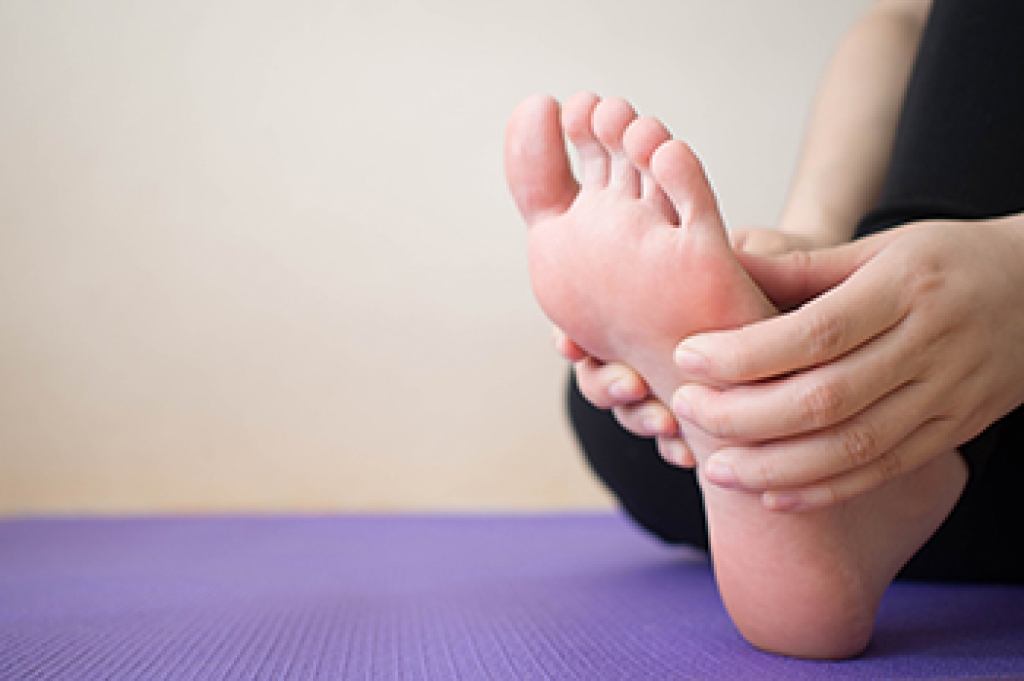
Read more about How to Deal with Athlete's Foot

Let the Expert Treat Your Ingrown Toenails

Ingrown toenails can be painful and can make wearing shoes or walking uncomfortable. Seek professional help if you believe you've developed an ingrown toenail and be treated safely. 

What Causes Foot Cramps?

Foot cramps are sudden, painful muscle contractions that can make the toes, arch, or bottom of the foot tighten without warning. A cramp may last only a few seconds or continue for several minutes. Some people notice foot cramps while exercising, standing for long periods, or resting at night. The affected area may feel hard or tight during the episode. Although occasional cramps are common, frequent or severe foot cramps may signal an underlying problem that requires attention.

Several factors can increase the risk of foot cramps. Dehydration is a common cause, because the body needs enough fluid to support normal muscle function. Low potassium may contribute, because potassium helps muscles contract and relax properly. Overexercising can place extra strain on muscles, especially when activity suddenly increases. Other risk factors include prolonged standing, intense exercise, and muscle fatigue. Age, certain medications, and some health conditions may also make cramps more likely.


When a foot cramp begins, gently stretching the affected foot can help the muscle relax. Lightly massaging the area may also provide relief. Drinking water can be helpful when dehydration contributes to cramping. Regular hydration and gradual increases in exercise may reduce future episodes. Eating a balanced diet can also support normal electrolyte levels. If cramps continue despite these steps, a podiatrist can look for contributing factors and determine whether additional evaluation is needed.


During an evaluation, a podiatrist may review activity levels, assess muscle function, and discuss footwear. The podiatrist may recommend stretching, hydration, or supportive shoes based on the cause. If low potassium or another medical issue is suspected, additional testing or referral may be appropriate. Treatment focuses on correcting the underlying cause rather than simply treating the painful cramp. If you have frequent foot cramps, it is suggested that you consult a podiatrist for effective relief and prevention tips.

Foot Pain

Foot pain can be extremely painful and debilitating. If you have a foot pain, consult with one of our podiatrists from Dr. Jeffrey J. Betman & Associates . Our doctors will assess your condition and provide you with quality foot and ankle treatment.

Causes

Foot pain is a very broad condition that could be caused by one or more ailments. The most common include:

  • Bunions
  • Hammertoes
  • Plantar Fasciitis
  • Bone Spurs
  • Corns
  • Tarsal Tunnel Syndrome
  • Ingrown Toenails
  • Arthritis (such as Gout, Rheumatoid, and Osteoarthritis)
  • Flat Feet
  • Injury (from stress fractures, broken toe, foot, ankle, Achilles tendon ruptures, and sprains)
  • And more

Diagnosis

To figure out the cause of foot pain, podiatrists utilize several different methods. This can range from simple visual inspections and sensation tests to X-rays and MRI scans. Prior medical history, family medical history, and any recent physical traumatic events will all be taken into consideration for a proper diagnosis.

Treatment

Treatment depends upon the cause of the foot pain. Whether it is resting, staying off the foot, or having surgery; podiatrists have a number of treatment options available for foot pain.

If you have any questions, please feel free to contact our offices located in Northwest Chicago, Southwest Chicago, and Wicker Park, Chicago, IL . We offer the newest diagnostic and treatment technologies for all your foot care needs.

Read more about Foot Pain

Why Your Joints Hurt When You Move

Arthritis in the feet can make each step painful and limit daily movement. Osteoarthritis is a long-term joint condition that affects the entire joint and the tissues around it. In the foot, damaged joints can become painful, swollen, and stiff. Movement may become harder as symptoms progress. Reduced movement can also weaken nearby muscles and make physical activities more difficult. Although osteoarthritis is more frequent in older adults, it is not an unavoidable part of aging. Younger people can also develop it, especially after a joint injury or repeated stress.

Several factors can increase the risk of osteoarthritis. Previous joint injuries, repeated stress, and excess body weight can contribute to the condition. Genetics and age can also play a role. Symptoms can begin slowly, although they can appear more quickly after an injury or strain. Foot arthritis can affect mobility because the feet carry body weight and help the body move forward with every step. Pain and stiffness can make work or social activities harder. Some patients also experience discomfort while resting when osteoarthritis becomes severe.

A podiatrist can evaluate painful foot joints and determine how arthritis is affecting movement and function. An examination can assess swelling, joint motion, and areas of tenderness. Treatment can focus on reducing pressure on painful joints and supporting better mobility. A podiatrist can recommend braces or other supportive devices when appropriate. Care can also include guided exercises to strengthen muscles and maintain joint movement. If you have symptoms of arthritic foot pain, it is suggested that you schedule an appointment with a podiatrist for diagnosis and treatment.

Arthritis can be a difficult condition to live with. If you are seeking treatment, contact one of our podiatrists from Dr. Jeffrey J. Betman & Associates . Our doctors can provide the care you need to keep you pain-free and on your feet.

Arthritic Foot Care  

Arthritis is a joint disorder that involves the inflammation of different joints in your body, such as those in your feet. Arthritis is often caused by a degenerative joint disease and causes mild to severe pain in all affected areas. In addition to this, swelling and stiffness in the affected joints can also be a common symptom of arthritis.

In many cases, wearing ill-fitting shoes can worsen the effects and pain of arthritis. Wearing shoes that have a lower heel and extra room can help your feet feel more comfortable. In cases of rheumatoid arthritis, the arch in your foot may become problematic. Buying shoes with proper arch support that contour to your feet can help immensely.

Alleviating Arthritic Pain

  • Exercises that stretch the foot can prevent further pain and injury and increase mobility
  • Most of the pain can be alleviated with anti-inflammatory drugs, heat, and topical medications
  • Massages can help temporarily alleviate pain.

It is best to see your doctor for the treatment that is right for your needs and symptoms. Conditions vary, and a podiatrist can help you determine the right method of care for your feet.

If you have any questions please feel free to contact our offices located in Northwest Chicago, Southwest Chicago, and Wicker Park, Chicago, IL . We offer the newest diagnostic tools and technology to treat your foot and ankle needs.

Read more about Arthritic Foot Care

Ankle Stretches for Flexible and Healthier Feet

Ankle stretches are gentle movements that improve flexibility around the ankle joint. They can reduce stiffness and support comfortable movement during activities. Symptoms that may improve with stretching include mild tightness, limited motion, and discomfort after activity. Risk factors for ankle stiffness include prolonged sitting, previous injuries, and low activity. Because ankle pain can have many causes, persistent symptoms should be evaluated rather than treated with stretching alone.

Several ankle stretch types can support mobility. A calf stretch against a wall lengthens the muscles behind the lower leg. An ankle dorsiflexion stretch gently moves the foot upward. An ankle plantar flexion stretch moves the foot downward. To perform a calf stretch, face a wall and place one foot behind you. Keep that heel down, bend the front knee, and lean forward. Hold without bouncing, then switch sides, and stop if sharp pain develops.


Regular ankle stretching may support balance, walking comfort, and joint mobility. It can benefit people with mild stiffness related to plantar fasciitis, Achilles tendon tightness, and flat feet. A podiatrist begins by reviewing your symptoms and examining your foot and ankle. They may check flexibility, strength, and joint movement. If needed, imaging tests can identify injuries or structural concerns. Treatment may include activity changes, stretching guidance, or other care.


The right ankle stretches depend on the cause of your symptoms. Movements should feel controlled rather than painful, and consistency is usually more helpful than forcing a deep stretch. Swelling, significant pain, or instability requires guidance before stretching. A podiatrist can determine whether stretching is appropriate, and recommend treatment that supports healing and movement. If you have ankle pain and want to learn how stretching the ankle can help with strength and flexibility, it is suggested that you consult a podiatrist for effective relief and treatment solutions.

Why Stretching Is Important for Your Feet

Stretching the feet is a great way to prevent injuries. If you have any concerns with your feet consult with one of our podiatrists from Dr. Jeffrey J. Betman & Associates . Our doctors will assess your condition and provide you with quality foot and ankle treatment.

Stretching the Feet

Stretching the muscles in the foot is an important part in any physical activity. Feet that are tight can lead to less flexibility and make you more prone to injury. One of the most common forms of foot pain, plantar fasciitis, can be stretched out to help ease the pain. Stretching can not only ease pain from plantar fasciitis but also prevent it as well. However, it is important to see a podiatrist first to determine if stretching is right for you. Podiatrists can also recommend other ways to stretch your feet. Once you know whether stretching is right for you, here are some excellent stretches you can do.

  • Using a foam roller or any cylindrical object (a water bottle or soda can will do), roll the object under your foot back and forth. You should also exert pressure on the object. Be sure to do this to both feet for a minute. Do this exercise three times each.
  • Similar to the previous exercise, take a ball, such as a tennis ball, and roll it under your foot while seated and exert pressure on it.
  • Grab a resistance band or towel and take a seat. If you are using a towel, fold it length wise. Next put either one between the ball of your foot and heel and pull with both hands on each side towards you. Hold this for 15 seconds and then switch feet. Do this three times for each foot.
  • Finally hold your big toe while crossing one leg over the other. Pull the toe towards you and hold for 15 seconds. Once again do this three times per foot.

It is best to go easy when first stretching your foot and work your way up. If your foot starts hurting, stop exercising to ice and rest the foot. It is advised that you then see a podiatrist for help.

If you have any questions please contact our offices located in Northwest Chicago, Southwest Chicago, and Wicker Park, Chicago, IL . We offer the newest diagnostic and treatment technologies for all your foot and ankle needs.

Read more about Stretching Your Feet

Connect With Us

Advanced Podiatric Procedures & Services in the Cook County, IL: Northwest Chicago (Maywood, Elmhurst, Cicero, Oak Park, Rosemont, Evanston, Des Plaines, Glenview, Elk Grove Village, Lombard), Ukrainian Village / Wicker Park (Norridge, Maywood, Melrose Park, Berwyn, Westchester, Lincolnwood, Niles) and Southwest Chicago (Bridgeview, Burbank, Alsip, Orland Park, Lemont, Tinley Park) areas