Blog
Protecting Your Feet When Living With Diabetes

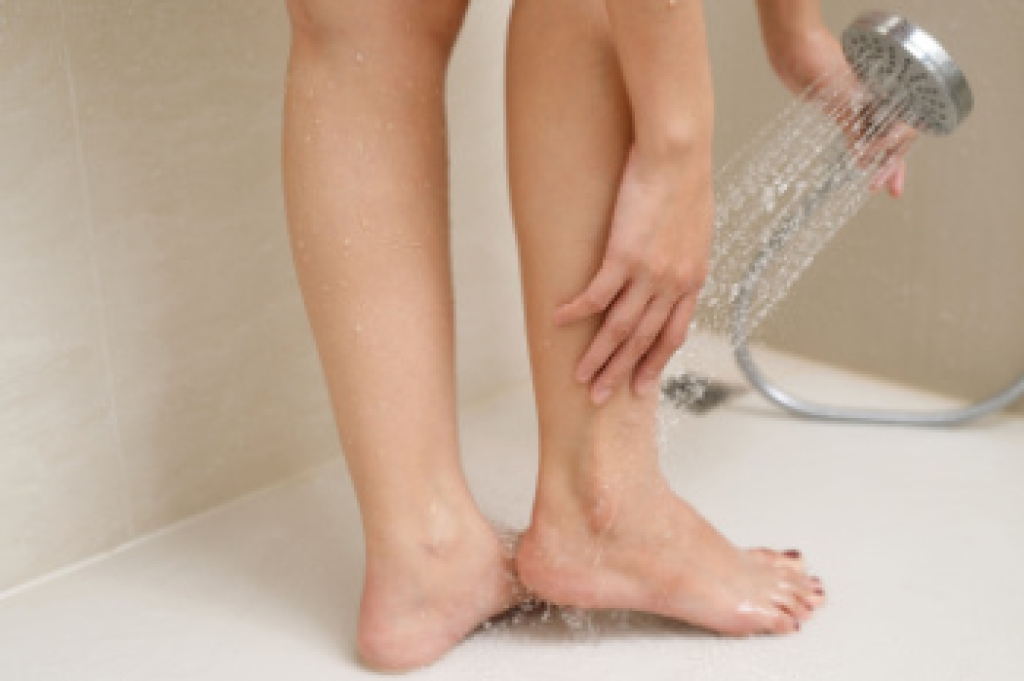
Diabetes is a chronic condition that affects how the body uses glucose, leading to high blood sugar that can damage nerves and blood vessels. This often affects the feet by reducing sensation and slowing healing, increasing the risk of injury and infection. Proper foot care is essential and includes daily inspection, gentle cleansing, and wearing supportive footwear. Regular exams and careful monitoring of blood sugar, along with consistent exercise and a balanced diet, help reduce complications. Risk factors include poor circulation, long-term elevated glucose, and inadequate foot care. A podiatrist can detect early changes, provide treatment, and guide prevention strategies. If you have diabetes, it is strongly suggested that you are under the care of a podiatrist who can help you to manage this serious condition.
Diabetic foot care is important in preventing foot ailments such as ulcers. If you are suffering from diabetes or have any other concerns about your feet, contact one of our podiatrists from Dr. Jeffrey J. Betman & Associates . Our doctors can provide the care you need to keep you pain-free and on your feet.
Diabetic Foot Care
Diabetes affects millions of people every year. The condition can damage blood vessels in many parts of the body, especially the feet. Because of this, taking care of your feet is essential if you have diabetes, and having a podiatrist help monitor your foot health is highly recommended.
The Importance of Caring for Your Feet
- Routinely inspect your feet for bruises or sores.
- Wear socks that fit your feet comfortably.
- Wear comfortable shoes that provide adequate support.
Patients with diabetes should have their doctor monitor their blood levels, as blood sugar levels play such a huge role in diabetic care. Monitoring these levels on a regular basis is highly advised.
It is always best to inform your healthcare professional of any concerns you may have regarding your feet, especially for diabetic patients. Early treatment and routine foot examinations are keys to maintaining proper health, especially because severe complications can arise if proper treatment is not applied.
If you have any questions, please feel free to contact our offices located in Northwest Chicago, Southwest Chicago, and Wicker Park, Chicago, IL . We offer the newest diagnostic and treatment technologies for all your foot care needs.

Exercises Can Promote Healthy Feet and Ankles

The feet and ankles support body weight and help with balance, so weakness or stiffness in these areas can lead to pain and poor movement patterns. Certain exercises can play an important role in keeping the feet strong, stable, and flexible. Strengthening exercises improve muscle control and help support the arch. Stretching exercises improve flexibility and reduce tightness in the joints and soft tissue. Regular movement can also improve how forces move through the foot while walking or running. This helps to lower the risk of injury. A podiatrist can assess foot structure, identify areas of weakness or limited motion, and design a targeted exercise plan based on your specific needs. This plan may include exercises to build strength, improve range of motion, and support proper alignment. If you experience foot or ankle pain, it is suggested that you make an appointment with a podiatrist for treatment, which may include targeted exercises.
Exercising your feet regularly with the proper foot wear is a great way to prevent injuries and build strength. If you have any concerns about your feet, contact one of our podiatrists from Dr. Jeffrey J. Betman & Associates . Our doctors can provide the care you need to keep you pain-free and on your feet.
Exercise for Your Feet
Exercise for your feet can help you gain strength, mobility and flexibility in your feet. They say that strengthening your feet can be just as rewarding as strengthening another part of the body. Your feet are very important, and we often forget about them in our daily tasks. But it is because of our feet that are we able to get going and do what we need to. For those of us fortunate enough to not have any foot problems, it is an important gesture to take care of them to ensure good health in the long run.
Some foot health exercises can include ankle pumps, tip-toeing, toe rises, lifting off the floor doing reps and sets, and flexing the toes. It is best to speak with Our doctors to determine an appropriate regimen for your needs. Everyone’s needs and bodies are different, and the activities required to maintain strength in the feet vary from individual to individual.
Once you get into a routine of doing regular exercise, you may notice a difference in your feet and how strong they may become.
If you have any questions, please feel free to contact our offices located in Northwest Chicago, Southwest Chicago, and Wicker Park, Chicago, IL . We offer the newest diagnostic and treatment technologies for all your foot care needs.

Causes of Thick Toenails

Thick toenails often develop due to underlying conditions that affect nail growth and structure. The most common cause is toenail fungus, medically known as onychomycosis, which leads to discoloration, thickening, and brittle nails. Other conditions include onychauxis, characterized by abnormal nail thickening without infection, and onycholysis, where the nail separates from the nail bed and may appear white or discolored. Symptoms can include crumbling edges, foul odor, and discomfort while wearing shoes. Risk factors include poor foot hygiene, damp environments, aging, and compromised circulation. A podiatrist can help by diagnosing the condition, providing targeted treatments, and guiding proper foot care. If you notice changes in your toenails, it is suggested that you consult a podiatrist who can offer effective treatment solutions, which may include prescribed medication.
For more information about treatment, contact one of our podiatrists of Dr. Jeffrey J. Betman & Associates . Our doctors can provide the care you need to keep you pain-free and on your feet.
Toenail Fungus Treatment
Toenail fungus is a condition that affects many people and can be especially hard to get rid of. Fortunately, there are several methods to go about treating and avoiding it.
Antifungals & Deterrence
Oral antifungal medicine has been shown to be effective in many cases. It is important to consult with a podiatrist to determine the proper regiment for you, or potentially explore other options.
Applying foot powder on the feet and shoes helps keep the feet free of moisture and sweat.
Sandals or open toed shoes – Wearing these will allow air movement and help keep feet dry. They also expose your feet to light, which fungus cannot tolerate. Socks with moisture wicking material also help as well.
If you have any questions please contact our offices located in Northwest Chicago, Southwest Chicago, and Wicker Park, Chicago, IL . We offer the newest diagnostic and treatment technologies for all your foot and ankle needs.
How Hammertoes Affect Movement and Cause Foot Strain

A hammertoe occurs when one of the smaller toes bends abnormally at the middle joint, but the effects often extend beyond the toe itself. This change in position can alter how weight is distributed across the foot, placing added pressure on the ball of the foot and surrounding structures. As the body adjusts to this imbalance, the way you walk may shift, leading to strain in the arch and increased tension along the plantar fascia, the band of tissue that supports the bottom of the foot. Over time, this added stress can contribute to discomfort in the heel, arch, or even the ankle and lower leg. A proper evaluation looks at both the toe deformity and overall foot function to identify the source of strain. Treatment may include padding, footwear changes, orthotics, or procedures to correct alignment. If symptoms persist, it is suggested that you see a podiatrist for a proper diagnosis and appropriate treatment.
Hammertoe
Hammertoes can be a painful condition to live with. For more information, contact one of our podiatrists from Dr. Jeffrey J. Betman & Associates . Our doctors will answer any of your foot- and ankle-related questions.
Hammertoe is a foot deformity that affects the joints of the second, third, fourth, or fifth toes of your feet. It is a painful foot condition in which these toes curl and arch up, which can often lead to pain when wearing footwear.
Symptoms
- Pain in the affected toes
- Development of corns or calluses due to friction
- Inflammation
- Redness
- Contracture of the toes
Causes
Genetics – People who are genetically predisposed to hammertoe are often more susceptible
Arthritis – Because arthritis affects the joints in your toes, further deformities stemming from arthritis can occur
Trauma – Direct trauma to the toes could potentially lead to hammertoe
Ill-fitting shoes – Undue pressure on the front of the toes from ill-fitting shoes can potentially lead to the development of hammertoe
Treatment
Orthotics – Custom made inserts can be used to help relieve pressure placed on the toes and therefore relieve some of the pain associated with it
Medications – Oral medications such as anti-inflammatories or NSAIDs could be used to treat the pain and inflammation hammertoes causes. Injections of corticosteroids are also sometimes used
Surgery – In more severe cases where the hammertoes have become more rigid, foot surgery is a potential option
If you have any questions, please feel free to contact our offices located in Northwest Chicago, Southwest Chicago, and Wicker Park, Chicago, IL . We offer the newest diagnostic and treatment technologies for all your foot care needs.