How to Manage Blisters on the Feet

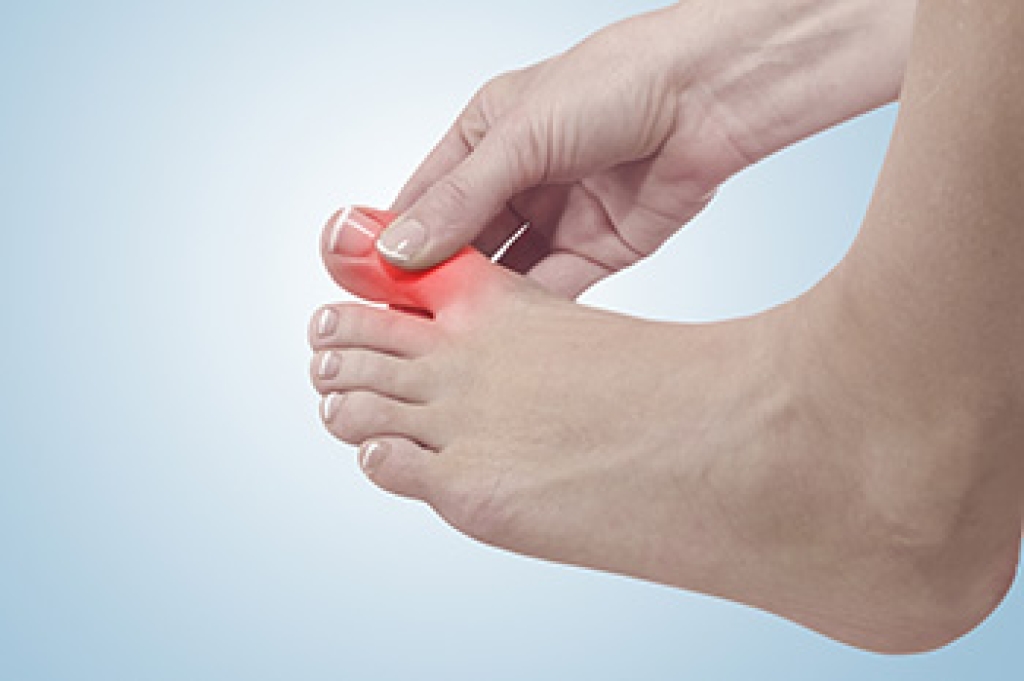
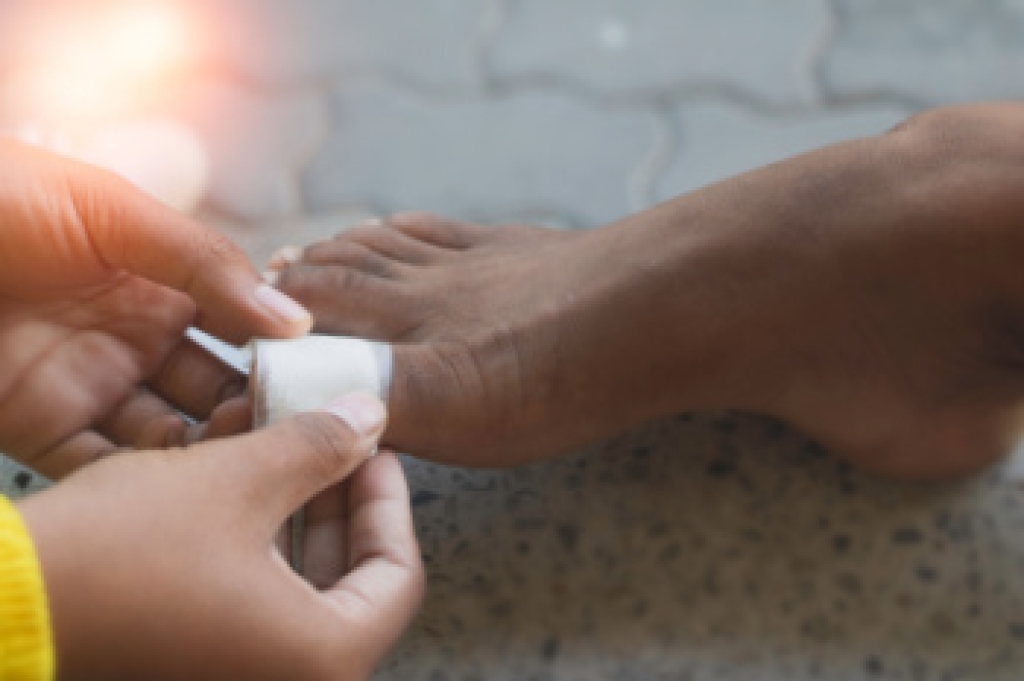
Blisters on the feet can be painful and bothersome. They are often caused by friction inside a shoe or from prolonged activity, such as walking or running. Most blisters on the feet heal naturally, but protecting them can help reduce both discomfort and the risk of infection. Small, unbroken blisters can be covered loosely with a bandage to prevent irritation. For blisters on the soles, a doughnut-shaped moleskin pad can alleviate pressure by keeping the area over the blister open. It is not a good idea to drain blisters at home, as improper handling can lead to infection and cause additional problems. If a blister is large or painful, it is best to have it drained by a podiatrist, who can do so under safe and hygienic conditions. Always monitor blisters for signs of infection, such as increased pain, redness, or pus. Also, if you have medical conditions like diabetes, HIV, cancer, or heart disease, it isimportant to seek medical help immediately. To safely manage problematic blisters on the feet, it is suggested that you schedule an appointment with a podiatrist for effective treatment options.

Blisters are prone to making everyday activities extremely uncomfortable. If your feet are hurting, contact one of our podiatrists of Dr. Jeffrey J. Betman & Associates . Our doctors can provide the care you need to keep you pain-free and on your feet.

Foot Blisters

Foot blisters develop as a result of constantly wearing tight or ill-fitting footwear. This happens due to the constant rubbing from the shoe, which can often lead to pain.

What Are Foot Blisters?

A foot blister is a small fluid-filled pocket that forms on the upper-most layer of the skin. Blisters are filled with clear fluid and can lead to blood drainage or pus if the area becomes infected.

How Do Blisters Form?

Blisters on the feet are often the result of constant friction of skin and material, usually by shoe rubbing. Walking in sandals, boots, or shoes that don’t fit properly for long periods of time can result in a blister. Having consistent foot moisture and humidity can easily lead to blister formation.

Prevention & Treatment

It is important to properly care for the affected area in order to prevent infection and ease the pain. Do not lance the blister and use a Band-Aid to provide pain relief. Also, be sure to keep your feet dry and wear proper fitting shoes. If you see blood or pus in a blister, seek assistance from a podiatrist.

If you have any questions, please feel free to contact our offices located in Northwest Chicago, Southwest Chicago, and Wicker Park, Chicago, IL . We offer the newest diagnostic and treatment technologies for all your foot care needs.

Read more about Blisters

Heel Pain Can Be Treated!

Do you suffer from heel pain when you get up in the morning? If so, you should seek professional help and have a proper diagnosis performed. Heel pain can be caused by several different foot-related conditions.

Causes and Symptoms of Athlete’s Foot

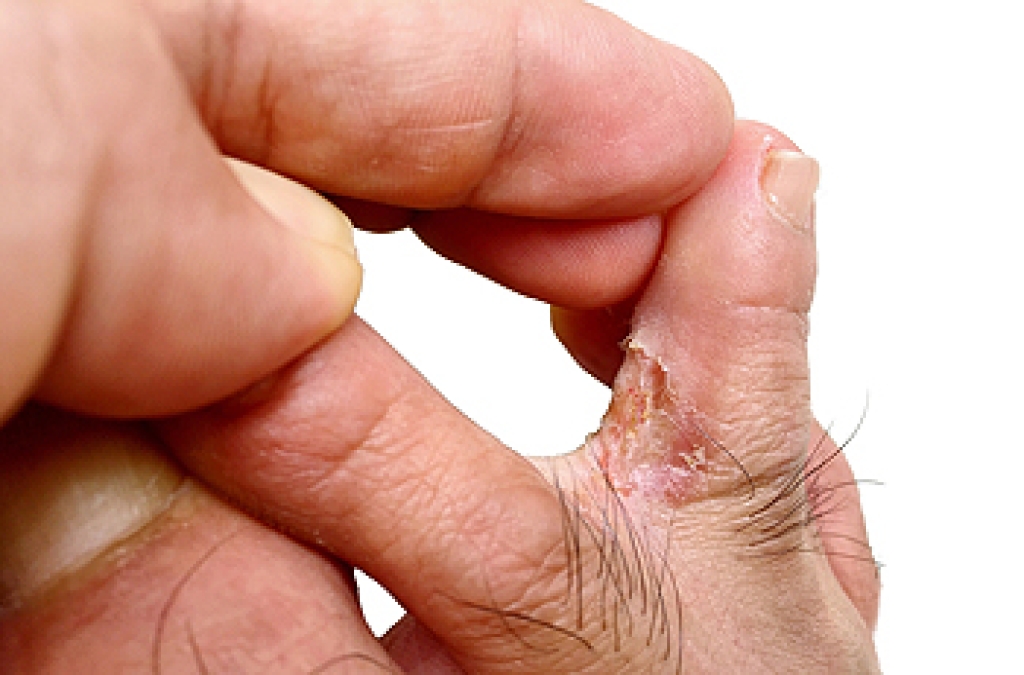
Athlete's foot is a fungal infection that primarily affects the feet. The fungi thrive in warm, moist environments, such as pools, locker rooms, and gyms. Although anyone can get athlete's foot, it is more prevalent in men. The fungi causing this infection live on the surface of the skin, particularly in sweat-prone areas, like between the toes. Symptoms of athlete's foot include dry skin, itching, and burning sensations, especially between the toes, along with red, scaly rashes. Blisters may form, which can peel or crack open, leading to exposed, raw tissue. Inflammation and a foul odor are also common signs. The infection spreads through direct contact with contaminated surfaces or skin and is more likely in people who wear closed shoes or sweat a lot. If you have a troublesome athlete's foot infection, it is suggested that you schedule an appointment with a podiatrist for advanced treatment.

Athlete’s foot is an inconvenient condition that can be easily reduced with the proper treatment. If you have any concerns about your feet and ankles, contact one of our podiatrists from Dr. Jeffrey J. Betman & Associates .  Our doctors will treat your foot and ankle needs.

Athlete’s Foot: The Sole Story

Athlete's foot, also known as tinea pedis, can be an extremely contagious foot infection. It is commonly contracted in public changing areas and bathrooms, dormitory style living quarters, around locker rooms and public swimming pools, or anywhere your feet often come into contact with other people.

Solutions to Combat Athlete’s Foot

  • Hydrate your feet by using lotion
  • Exfoliate
  • Buff off nails
  • Use of anti-fungal products
  • Examine your feet and visit your doctor if any suspicious blisters or cuts develop

Athlete’s foot can cause many irritating symptoms such as dry and flaking skin, itching, and redness. Some more severe symptoms can include bleeding and cracked skin, intense itching and burning, and even pain when walking. In the worst cases, Athlete’s foot can cause blistering as well. Speak to your podiatrist for a better understanding of the different causes of Athlete’s foot, as well as help in determining which treatment options are best for you.

If you have any questions please feel free to contact our offices located in Northwest Chicago, Southwest Chicago, and Wicker Park, Chicago, IL . We offer the newest diagnostic and treatment technologies for all your foot and ankle needs.

Read more about Athlete's Foot

Exercises for Arthritis of the Big Toe

Arthritis, an inflammation of the joints, can cause pain and stiffness. One joint that frequently becomes affected is the big toe, which by throwing off your balance can affect other body parts. One way to help alleviate this syndrome is by doing simple exercises for the toe. Among them is the toe pull, which helps to increase mobility. Put your affected foot on a stool or chair. With one hand, hold the area where the toe meets the foot. With the other hand, gently pull the toe forward and flex it down for 10 to 20 seconds then let go. Repeat. Toe salutes are designed to stretch and build strength. Sit in a chair with your feet flat on the ground directly below the knees. Raise the big toe of one foot up, while the other toes remain flat. Hold for five seconds and relax. Then raise the four little toes up, while keeping the big toe flat. Repeat, and then change feet. If you plan to begin any exercise regime, it is suggested you consult with a podiatrist who can monitor your activity and suggest other treatment options. 

Arthritis can be a difficult condition to live with. If you are seeking treatment, contact one of our podiatrists from Dr. Jeffrey J. Betman & Associates . Our doctors can provide the care you need to keep you pain-free and on your feet.

Arthritic Foot Care  

Arthritis is a term that is commonly used to describe joint pain.  The condition itself can occur to anyone of any age, race, or gender, and there are over 100 types of it.  Nevertheless, arthritis is more commonly found in women compared to men, and it is also more prevalent in those who are overweight. The causes of arthritis vary depending on which type of arthritis you have. Osteoarthritis for example, is often caused by injury, while rheumatoid arthritis is caused by a misdirected immune system.

Symptoms

  • Swelling
  • Pain
  • Stiffness
  • Decreased Range of Motion

Arthritic symptoms range in severity, and they may come and go. Some symptoms stay the same for several years but could potentially get worse with time. Severe cases of arthritis can prevent its sufferers from performing daily activities and make walking difficult.

Risk Factors

  • Occupation – Occupations requiring repetitive knee movements have been linked to osteoarthritis
  • Obesity – Excess weight can contribute to osteoarthritis development
  • Infection – Microbial agents can infect the joints and trigger arthritis
  • Joint Injuries – Damage to joints may lead to osteoarthritis
  • Age – Risk increases with age
  • Gender –Most types are more common in women
  • Genetics – Arthritis can be hereditary

If you suspect your arthritis is affecting your feet, it is crucial that you see a podiatrist immediately. Your doctor will be able to address your specific case and help you decide which treatment method is best for you.

If you have any questions please feel free to contact our offices located in Northwest Chicago, Southwest Chicago, and Wicker Park, Chicago, IL . We offer the newest diagnostic tools and technology to treat your foot and ankle needs.

Read more about How to Care for Your Arthritic Foot

What Is Hallux Limitus?

Hallux limitus is a condition where movement in the big toe joint is restricted, often due to arthritis or structural abnormalities. Symptoms include pain, stiffness, swelling, and difficulty bending the toe when walking or pushing off during activities. Preventing hallux limitus involves wearing supportive footwear with a wide toe box to reduce pressure on the joint. Toe exercises and maintaining a healthy weight can also help. Treatment options vary depending on the severity and may include shoe modifications, orthotic inserts, physical therapy, or anti-inflammatory medications. In advanced cases, surgical interventions like joint fusion or joint replacement may be necessary to restore function. If you experience persistent pain or notice changes in your toe joint mobility, consulting a podiatrist is suggested. This foot doctor can diagnose the condition accurately, assess its impact on your foot health, and recommend the most effective treatment plan to alleviate symptoms and improve mobility.

Foot Pain

Foot pain can be extremely painful and debilitating. If you have a foot pain, consult with one of our podiatrists from Dr. Jeffrey J. Betman & Associates . Our doctors will assess your condition and provide you with quality foot and ankle treatment.

Causes

Foot pain is a very broad condition that could be caused by one or more ailments. The most common include:

  • Bunions
  • Hammertoes
  • Plantar Fasciitis
  • Bone Spurs
  • Corns
  • Tarsal Tunnel Syndrome
  • Ingrown Toenails
  • Arthritis (such as Gout, Rheumatoid, and Osteoarthritis)
  • Flat Feet
  • Injury (from stress fractures, broken toe, foot, ankle, Achilles tendon ruptures, and sprains)
  • And more

Diagnosis

To figure out the cause of foot pain, podiatrists utilize several different methods. This can range from simple visual inspections and sensation tests to X-rays and MRI scans. Prior medical history, family medical history, and any recent physical traumatic events will all be taken into consideration for a proper diagnosis.

Treatment

Treatment depends upon the cause of the foot pain. Whether it is resting, staying off the foot, or having surgery; podiatrists have a number of treatment options available for foot pain.

If you have any questions, please feel free to contact our offices located in Northwest Chicago, Southwest Chicago, and Wicker Park, Chicago, IL . We offer the newest diagnostic and treatment technologies for all your foot care needs.
Read more about Foot Pain

Connect With Us