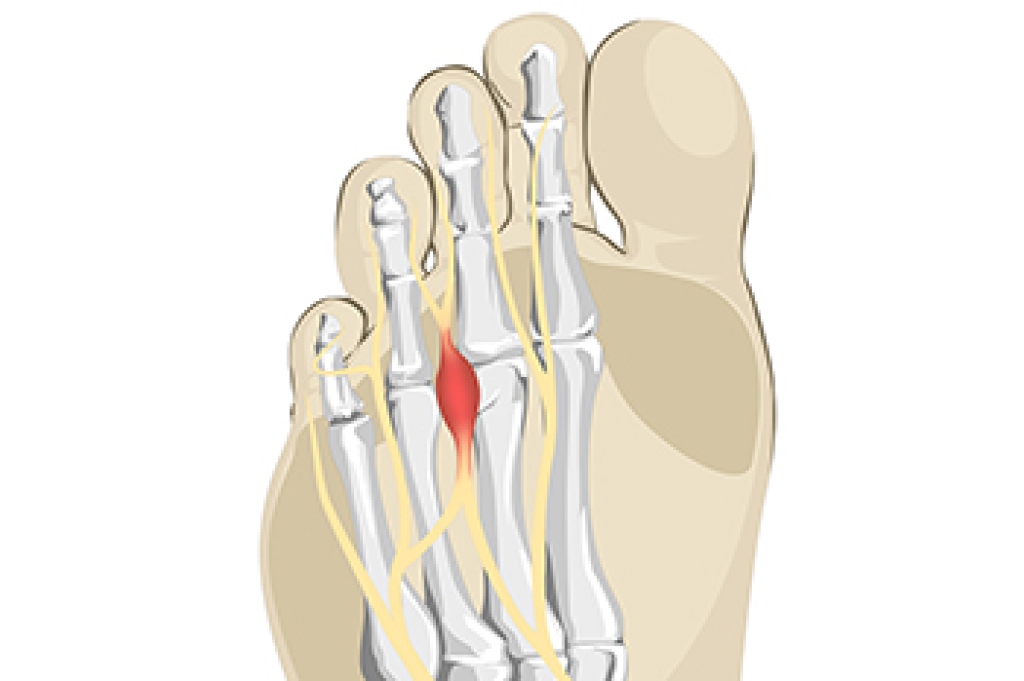
Spotting the Symptoms of Morton’s Neuroma

Morton’s neuroma is a nerve condition that often affects the ball of the foot, typically between the third and fourth toes. Common symptoms include sharp or burning foot pain, tingling, and numbness that may worsen with walking or wearing tight shoes. Many people describe the sensation as feeling like a pebble or small object is stuck inside the shoe. Causes include repeated pressure on the forefoot,  improper footwear, and biomechanical foot problems. Risk factors include wearing high heels, intense physical activity, and foot deformities like bunions or flat feet. A podiatrist can diagnose this condition and recommend effective treatment. If you experience persistent foot discomfort, it is strongly suggested that you seek care from this type of doctor to find relief and prevent further complications.

Morton’s neuroma is a very uncomfortable condition to live with. If you think you have Morton’s neuroma, contact one of our podiatrists of Dr. Jeffrey J. Betman & Associates . Our doctors will attend to all of your foot care needs and answer any of your related questions.  

Morton’s Neuroma

Morton's neuroma is a painful foot condition that commonly affects the areas between the second and third or third and fourth toe, although other areas of the foot are also susceptible. Morton’s neuroma is caused by an inflamed nerve in the foot that is being squeezed and aggravated by surrounding bones.

What Increases the Chances of Having Morton’s Neuroma?

  • Ill-fitting high heels or shoes that add pressure to the toe or foot
  • Jogging, running or any sport that involves constant impact to the foot
  • Flat feet, bunions, and any other foot deformities

Morton’s neuroma is a very treatable condition. Orthotics and shoe inserts can often be used to alleviate the pain on the forefront of the feet. In more severe cases, corticosteroids can also be prescribed. In order to figure out the best treatment for your neuroma, it’s recommended to seek the care of a podiatrist who can diagnose your condition and provide different treatment options.

If you have any questions, please feel free to contact our offices located in Northwest Chicago, Southwest Chicago, and Wicker Park, Chicago, IL . We offer the newest diagnostic and treatment technologies for all your foot care needs.

Read more about Morton's Neuroma

Exercises Aimed at Flat Feet

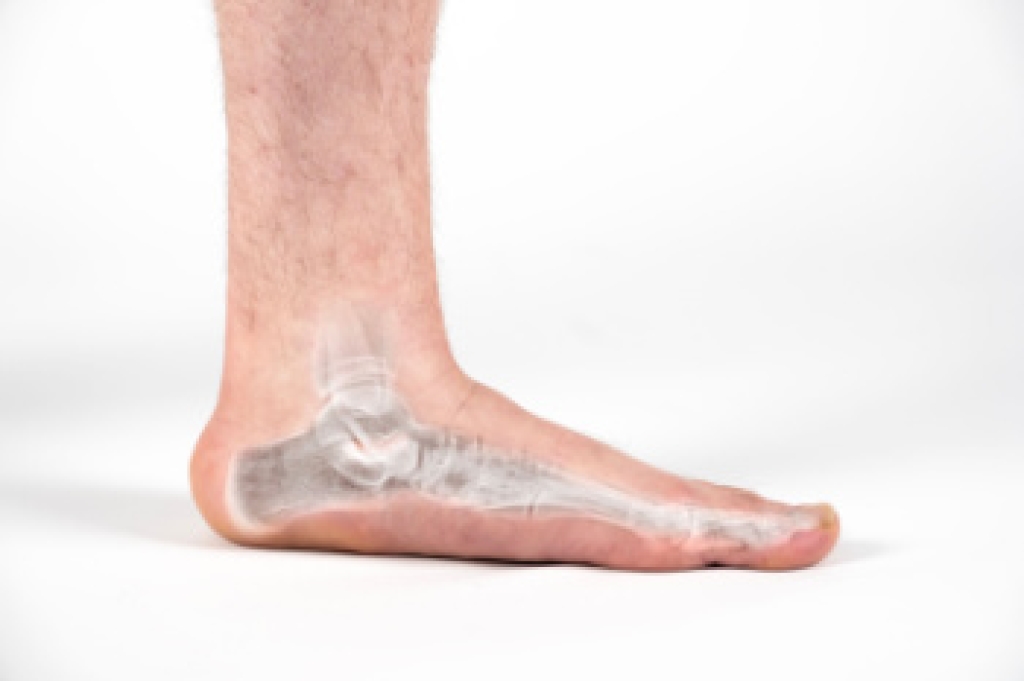
Flat feet, also called fallen arches, can contribute to foot, ankle, and lower leg discomfort due to poor arch support and misalignment. In some cases, a series of exercises for flat feet may help strengthen the arch and surrounding muscles. These include movements that raise the arch, such as controlled heel lifts and arch raises, which help activate the muscles on the inside of the foot. Toe-based exercises may also be advised to improve strength in the forefoot and toes. A podiatrist may suggest specific routines that target foot posture and stability, including stair-based arch lifts or exercises using resistance like towel curls. These activities work to improve arch height and may reduce stress on the foot structure. In more severe cases, custom orthotics or surgery also may be considered. A podiatrist can evaluate the structure of your feet and design a treatment that improves function and relieves discomfort. If you have pain from flat feet, it is suggested that you schedule an appointment with a podiatrist for appropriate treatment.

Flatfoot is a condition many people suffer from. If you have flat feet, contact one of our podiatrists from Dr. Jeffrey J. Betman & Associates . Our doctors will treat your foot and ankle needs.

What Are Flat Feet?

Flatfoot is a condition in which the arch of the foot is depressed and the sole of the foot is almost completely in contact with the ground. About 20-30% of the population generally has flat feet because their arches never formed during growth.

Conditions & Problems:

Having flat feet makes it difficult to run or walk because of the stress placed on the ankles.

Alignment – The general alignment of your legs can be disrupted, because the ankles move inward which can cause major discomfort.

Knees – If you have complications with your knees, flat feet can be a contributor to arthritis in that area.  

Symptoms

  • Pain around the heel or arch area
  • Trouble standing on the tip toe
  • Swelling around the inside of the ankle
  • Flat look to one or both feet
  • Having your shoes feel uneven when worn

Treatment

If you are experiencing pain and stress on the foot you may weaken the posterior tibial tendon, which runs around the inside of the ankle. 

If you have any questions, please feel free to contact our offices located in Northwest Chicago, Southwest Chicago, and Wicker Park, Chicago, IL . We offer the newest diagnostic and treatment technologies for all your foot care needs.
Read more about Flat Feet

Are You Suffering From Nerve Damage?

Neuropathy is a condition that can lead to numbness or loss of sensation in the feet, but it can also cause pain. This condition is more likely to develop for those who are diabetic, obese, or with high blood pressure.

Causes of Pain in the Ball of the Foot

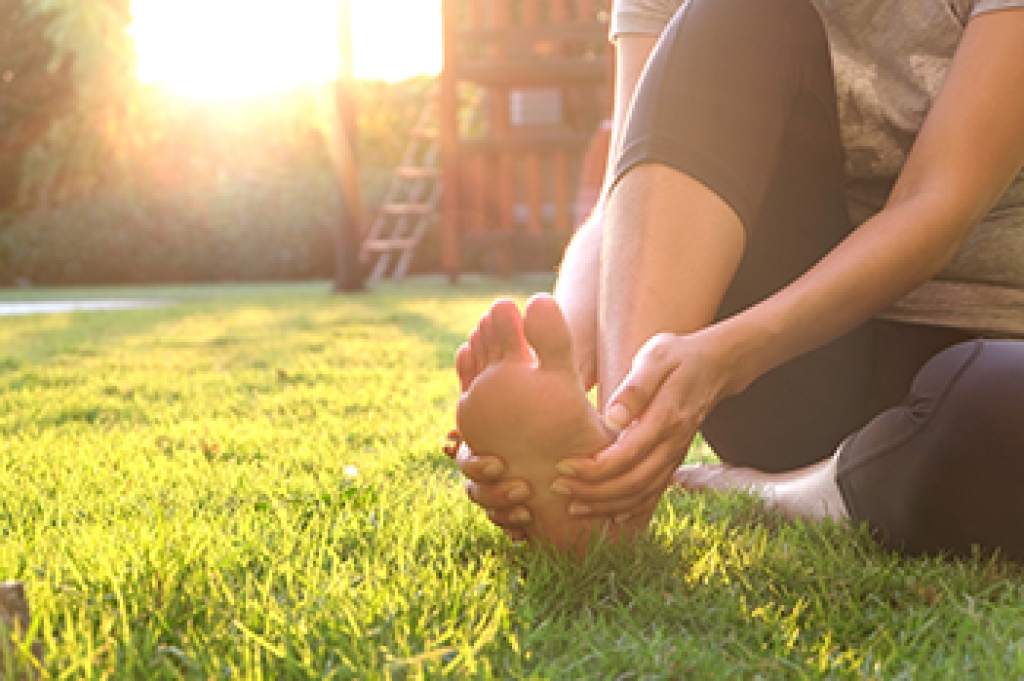
Pain in the ball of the foot, often called metatarsalgia, can result from repeated stress or pressure on the front of the foot. This discomfort is frequently caused by high-impact activities, such as running or jumping. Wearing tight shoes, especially those that lack proper support or cushioning, are other factors. Structural issues and deformities like high arches, bunions, or hammertoes may also increase pressure on the heads of the metatarsals, which are the long bones that connect to the toes. Arthritis, gout, or Morton’s neuroma can also lead to pain in the ball of the foot. Symptoms of metatarsalgia include a burning or aching sensation, numbness, or the feeling of walking on a small pebble. A podiatrist can examine the foot, assess your gait, and use imaging to rule out fractures or nerve issues. Treatment may involve custom orthotics, footwear changes, or, in rare cases, surgery to relieve pressure or correct bone alignment. If you have pain in the ball of your foot, it is suggested that you schedule an appointment with a podiatrist for an exam and appropriate treatment.

Foot Pain

Foot pain can be extremely painful and debilitating. If you have a foot pain, consult with one of our podiatrists from Dr. Jeffrey J. Betman & Associates . Our doctors will assess your condition and provide you with quality foot and ankle treatment.

Causes

Foot pain is a very broad condition that could be caused by one or more ailments. The most common include:

  • Bunions
  • Hammertoes
  • Plantar Fasciitis
  • Bone Spurs
  • Corns
  • Tarsal Tunnel Syndrome
  • Ingrown Toenails
  • Arthritis (such as Gout, Rheumatoid, and Osteoarthritis)
  • Flat Feet
  • Injury (from stress fractures, broken toe, foot, ankle, Achilles tendon ruptures, and sprains)
  • And more

Diagnosis

To figure out the cause of foot pain, podiatrists utilize several different methods. This can range from simple visual inspections and sensation tests to X-rays and MRI scans. Prior medical history, family medical history, and any recent physical traumatic events will all be taken into consideration for a proper diagnosis.

Treatment

Treatment depends upon the cause of the foot pain. Whether it is resting, staying off the foot, or having surgery; podiatrists have a number of treatment options available for foot pain.

If you have any questions, please feel free to contact our offices located in Northwest Chicago, Southwest Chicago, and Wicker Park, Chicago, IL . We offer the newest diagnostic and treatment technologies for all your foot care needs.
Read more about Foot Pain

Understanding Sever's Disease in Growing Feet

Sever's disease is a common cause of heel pain in children and young teens, especially those who participate in sports. It is not actually a disease but a growth-related condition that affects the heel’s growth plate. As the foot grows, the Achilles tendon can pull on the developing heel bone, causing pain and swelling. Running and jumping often make it worse, and the heel may feel sore to the touch. The pain usually comes and goes, and may be more noticeable after activity. Rest and stretching can help ease symptoms. Wearing supportive shoes or heel cushions may also reduce strain. Most children outgrow the condition once their bones finish growing. If your child complains of heel pain during or after sports, it is suggested you see a podiatrist for a proper diagnosis and appropriate treatment.

Sever's disease often occurs in children and teens. If your child is experiencing foot or ankle pain, see one of our podiatrists from Dr. Jeffrey J. Betman & Associates . Our doctors can treat your child’s foot and ankle needs.

Sever’s Disease

Sever’s disease is also known as calcaneal apophysitis, which is a medical condition that causes heel pain I none or both feet. The disease is known to affect children between the ages of 8 and 14.

Sever’s disease occurs when part of the child’s heel known as the growth plate (calcaneal epiphysis) is attached to the Achilles tendon. This area can suffer injury when the muscles and tendons of the growing foot do not keep pace with bone growth. Therefore, the constant pain which one experiences at the back of the heel will make the child unable to put any weight on the heel. The child is then forced to walk on their toes.

Symptoms

Acute pain – Pain associated with Sever’s disease is usually felt in the heel when the child engages in physical activity such as walking, jumping and or running.

Highly active – Children who are very active are among the most susceptible in experiencing Sever’s disease, because of the stress and tension placed on their feet.

If you have any questions, please feel free to contact our offices located in Northwest Chicago, Southwest Chicago, and Wicker Park, Chicago, IL . We offer the newest diagnostic and treatment technologies for all your foot care needs.

Read more about Sever's Disease

Connect With Us