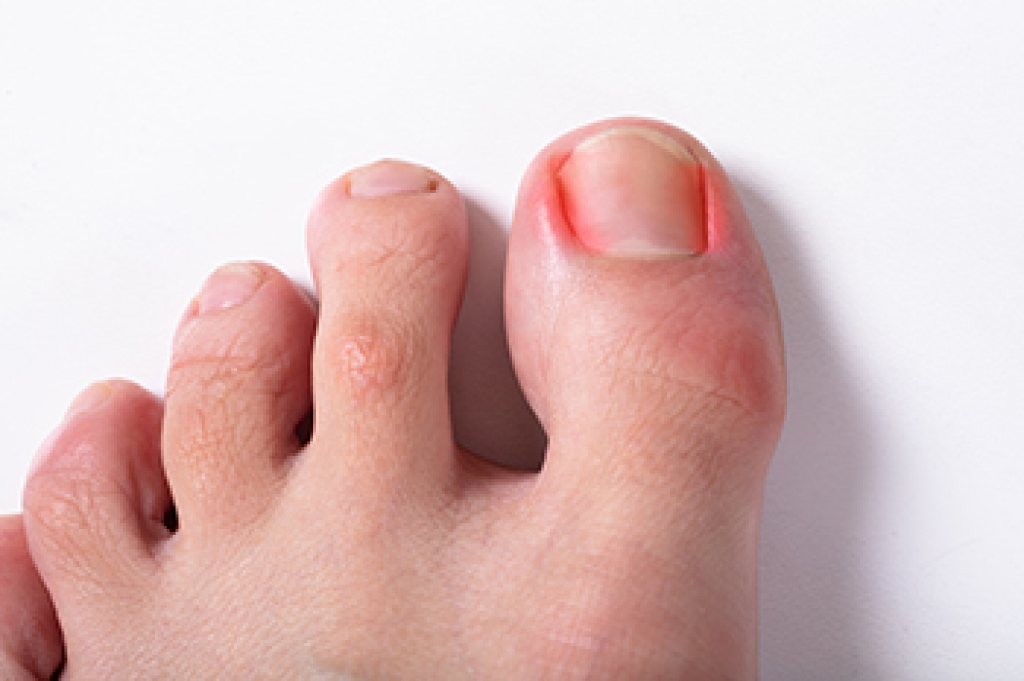
Ingrown Toenails Are More Than a Trimming Issue

Ingrown toenails are often described as a simple trimming problem, but the real causes are usually more complex. Nail shape, toe structure, and pressure patterns all influence how a nail grows. Shoes that crowd the toes, repetitive stress from walking or sports, and even subtle changes in gait can push the nail edge into surrounding skin. Over time, the body reacts with swelling, redness, and pain that may worsen without clear infection. Home remedies sometimes mask symptoms while the nail continues to grow incorrectly beneath the surface. Chronic ingrown toenails can also alter how you walk, leading to discomfort elsewhere in the foot. Treatment focuses on correcting the nail growth pattern and relieving pressure, not just reducing pain. If toe pain, swelling, or recurring nail issues persist, it is suggested that you see a podiatrist for a diagnosis and appropriate treatment.

Ingrown toenails may initially present themselves as a minor discomfort, but they may progress into an infection in the skin without proper treatment. For more information about ingrown toenails, contact one of our podiatrists of Dr. Jeffrey J. Betman & Associates . Our doctors can provide the care you need to keep you pain-free and on your feet.

Ingrown Toenails

Ingrown toenails are caused when the corner or side of a toenail grows into the soft flesh surrounding it. They often result in redness, swelling, pain, and in some cases, infection. This condition typically affects the big toe and may recur if it is not treated properly.

Causes

  • Improper toenail trimming
  • Genetics
  • Improper shoe fitting
  • Injury from pedicures or nail picking
  • Abnormal gait
  • Poor hygiene

You are more likely to develop an ingrown toenail if you are obese, have diabetes, arthritis, or have any fungal infection in your nails. Additionally, people who have foot or toe deformities are at a higher risk of developing an ingrown toenail.

Symptoms

Some symptoms of ingrown toenails are redness, swelling, and pain. In rare cases, there may be a yellowish drainage coming from the nail.

Treatment

Ignoring an ingrown toenail can have serious complications. Infections of the nail border can progress to a deeper soft-tissue infection, which can then turn into a bone infection. You should always speak with your podiatrist if you suspect you have an ingrown toenail, especially if you have diabetes or poor circulation.

If you have any questions, please feel free to contact our offices located in Northwest Chicago, Southwest Chicago, and Wicker Park, Chicago, IL . We offer the newest diagnostic and treatment technologies for all your foot care needs.
Read more about Ingrown Toenail Care

Flat Feet Causes and Symptoms

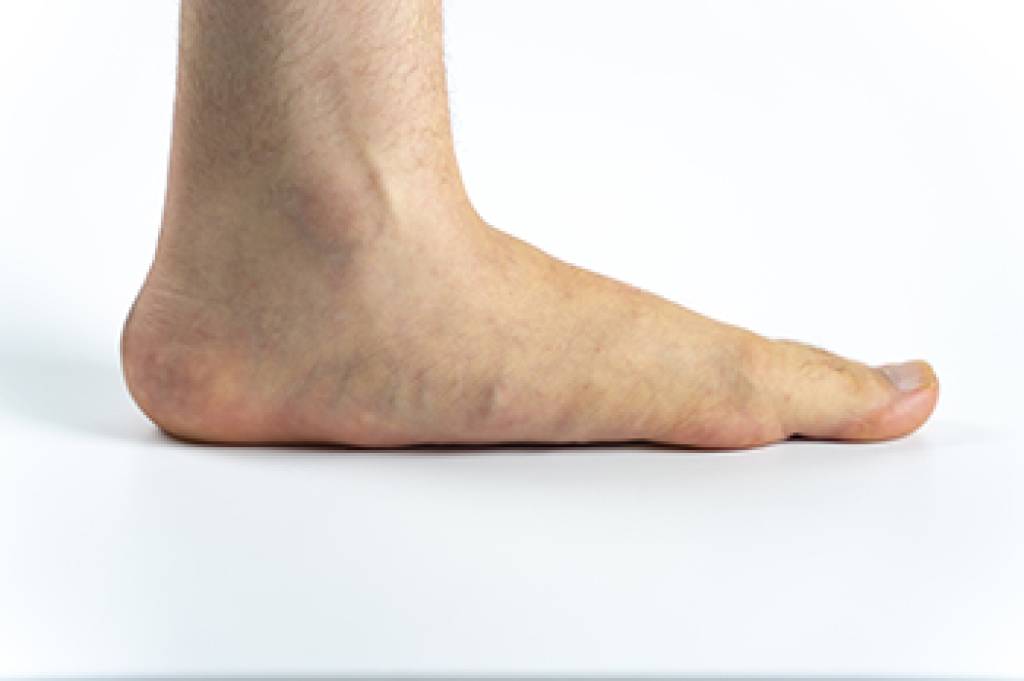
Flat feet is a condition in which the arches of the feet are low or absent, causing the entire sole to contact the ground while standing or walking. Some people do not experience issues, while others develop symptoms such as foot fatigue, aching pain in the arches or heels, swelling along the inside of the ankle, and discomfort with activity. Causes may include genetics, ligament laxity, injury, arthritis, or changes that occur with aging. Risk factors include obesity, prolonged standing, and certain medical conditions. A podiatrist can evaluate foot structure and gait and recommend treatments such as supportive footwear, custom orthotics, stretching exercises, or advanced care, when needed. If you have flat feet, and foot pain or fatigue limits your daily activities, it is suggested that you consult a podiatrist who can offer effective relief and management tips. 

Flatfoot is a condition many people suffer from. If you have flat feet, contact one of our podiatrists from Dr. Jeffrey J. Betman & Associates . Our doctors will treat your foot and ankle needs.

What Are Flat Feet?

Flatfoot is a condition in which the arch of the foot is depressed and the sole of the foot is almost completely in contact with the ground. About 20-30% of the population generally has flat feet because their arches never formed during growth.

Conditions & Problems:

Having flat feet makes it difficult to run or walk because of the stress placed on the ankles.

Alignment – The general alignment of your legs can be disrupted, because the ankles move inward which can cause major discomfort.

Knees – If you have complications with your knees, flat feet can be a contributor to arthritis in that area.  

Symptoms

  • Pain around the heel or arch area
  • Trouble standing on the tip toe
  • Swelling around the inside of the ankle
  • Flat look to one or both feet
  • Having your shoes feel uneven when worn

Treatment

If you are experiencing pain and stress on the foot you may weaken the posterior tibial tendon, which runs around the inside of the ankle. 

If you have any questions, please feel free to contact our offices located in Northwest Chicago, Southwest Chicago, and Wicker Park, Chicago, IL . We offer the newest diagnostic and treatment technologies for all your foot care needs.
Read more about Flat Feet

Broken Toes and Podiatric Care

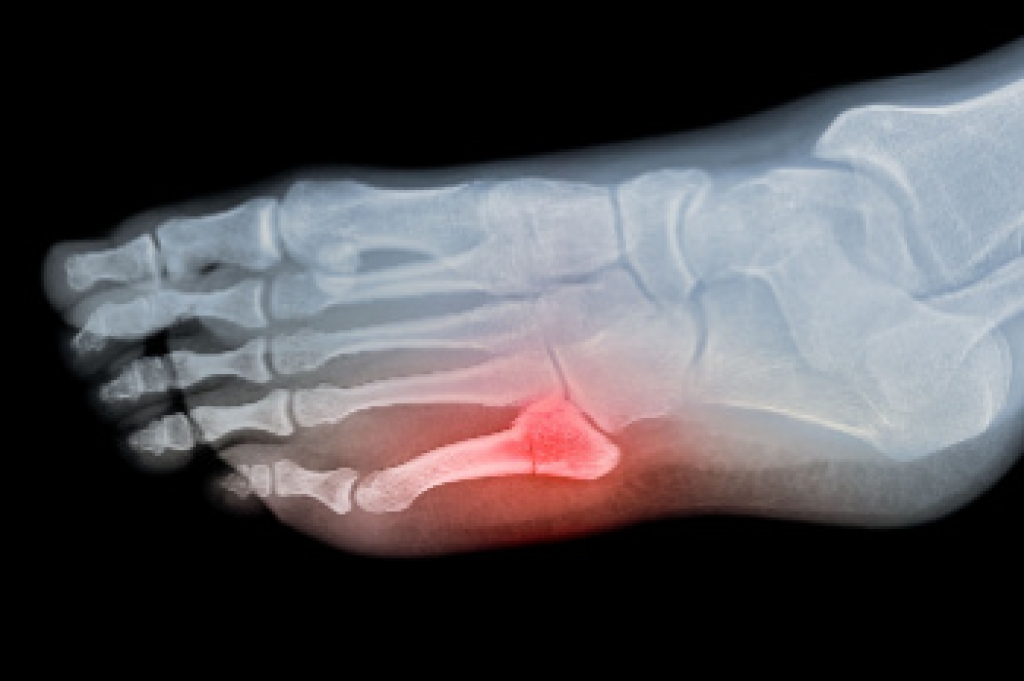
A broken toe is a fracture of one or more of the small bones in the toe, often resulting from sudden trauma. Common causes include a heavy object falling on the foot, or forceful stubbing against furniture or hard surfaces. Symptoms usually involve pain, swelling, bruising, and difficulty walking. Discolored toenails may appear when bleeding occurs beneath the nail. Diagnosis is typically made through a physical exam and imaging, such as X-rays, to confirm the fracture and its severity. Risk factors include sports activities, poor footwear protection, and balance issues. If you have symptoms of a broken toe, it is suggested that you promptly consult a podiatrist who can provide an accurate diagnosis, stabilize the toe, manage pain, and guide proper healing.

Broken toes may cause a lot of pain and should be treated as soon as possible. If you have any concerns about your feet, contact one of our podiatrists from Dr. Jeffrey J. Betman & Associates . Our doctors will treat your foot and ankle needs.

What Is a Broken Toe?

A broken toe occurs when one or more of the toe bones of the foot are broken after an injury. Injuries such as stubbing your toe or dropping a heavy object on it may cause a toe fracture.

Symptoms of a Broken Toe

  • Swelling
  • Pain (with/without wearing shoes)
  • Stiffness
  • Nail Injury

Although the injured toe should be monitored daily, it is especially important to have a podiatrist look at your toe if you have severe symptoms. Some of these symptoms include worsening or new pain that is not relieved with medication, sores, redness, or open wounds near the toe.

If you have any questions please feel free to contact our offices located in Northwest Chicago, Southwest Chicago, and Wicker Park, Chicago, IL . We offer the newest diagnostic tools and technology to treat your foot and ankle needs.

Read more about What to Know About a Broken Toe

Neuropathy and Toe Numbness and Tingling

Toe numbness and tingling are abnormal sensations often described as obdormition, which refers to a feeling of pins and needles or loss of sensation. These symptoms may be caused by peripheral neuropathy, where damaged nerves disrupt normal sensation in the feet. Diabetic neuropathy is a common form or neuropathy that develops from prolonged high blood sugar and can lead to burning, tingling, numbness, or pain in the toes. Symptoms may worsen at night or with prolonged standing. A podiatrist can evaluate nerve health, identify the underlying cause, and recommend treatment to protect sensation and prevent complications such as wounds or infections. If you notice ongoing numbness or tingling in your toes, it is suggested that you schedule an appointment with a podiatrist who can determine what the cause is, and offer effective relief tips.

Neuropathy

Neuropathy can be a potentially serious condition, especially if it is left undiagnosed. If you have any concerns that you may be experiencing nerve loss in your feet, consult with one of our podiatrists from Dr. Jeffrey J. Betman & Associates . Our doctors will assess your condition and provide you with quality foot and ankle treatment for neuropathy.

What Is Neuropathy?

Neuropathy is a condition that leads to damage to the nerves in the body. Peripheral neuropathy, or neuropathy that affects your peripheral nervous system, usually occurs in the feet. Neuropathy can be triggered by a number of different causes. Such causes include diabetes, infections, cancers, disorders, and toxic substances.

Symptoms of Neuropathy Include:

  • Numbness
  • Sensation loss
  • Prickling and tingling sensations
  • Throbbing, freezing, burning pains
  • Muscle weakness

Those with diabetes are at serious risk due to being unable to feel an ulcer on their feet. Diabetics usually also suffer from poor blood circulation. This can lead to the wound not healing, infections occurring, and the limb may have to be amputated.

Treatment

To treat neuropathy in the foot, podiatrists will first diagnose the cause of the neuropathy. Figuring out the underlying cause of the neuropathy will allow the podiatrist to prescribe the best treatment, whether it be caused by diabetes, toxic substance exposure, infection, etc. If the nerve has not died, then it’s possible that sensation may be able to return to the foot.

Pain medication may be issued for pain. Electrical nerve stimulation can be used to stimulate nerves. If the neuropathy is caused from pressure on the nerves, then surgery may be necessary.

If you have any questions, please feel free to contact our offices located in Northwest Chicago, Southwest Chicago, and Wicker Park, Chicago, IL . We offer the newest diagnostic and treatment technologies for all your foot care needs.

Read more about Neuropathy

Why Live with Pain and Numbness in Your Feet?

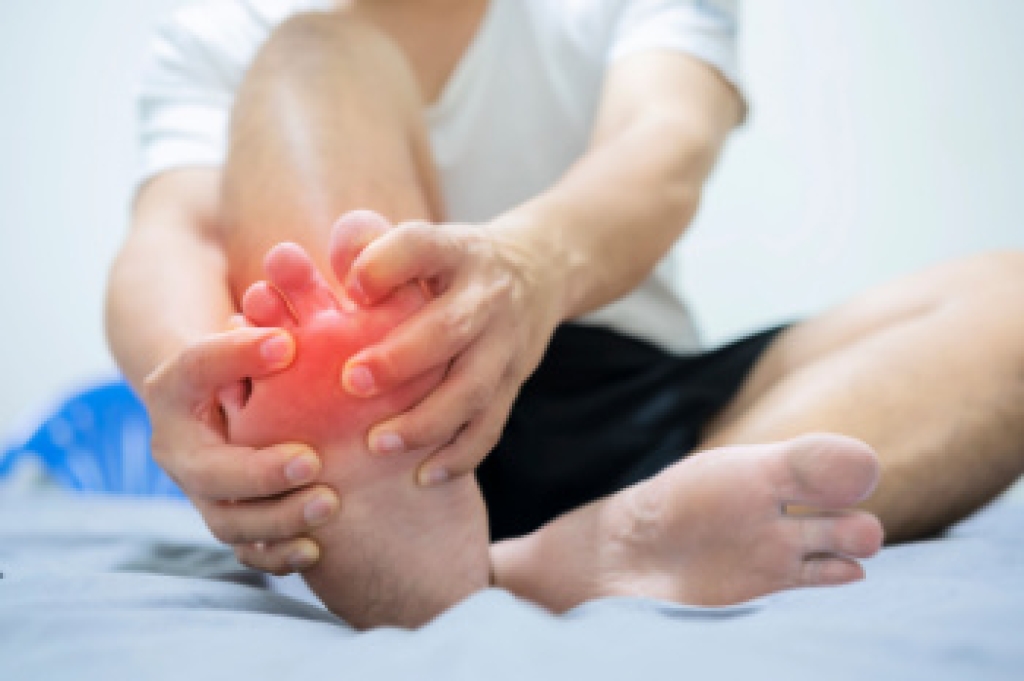
Suffering from this type of pain? You may have the foot condition known as Morton's neuroma. Morton's neuroma may develop as a result of ill-fitting footwear and existing foot deformities. We can help.

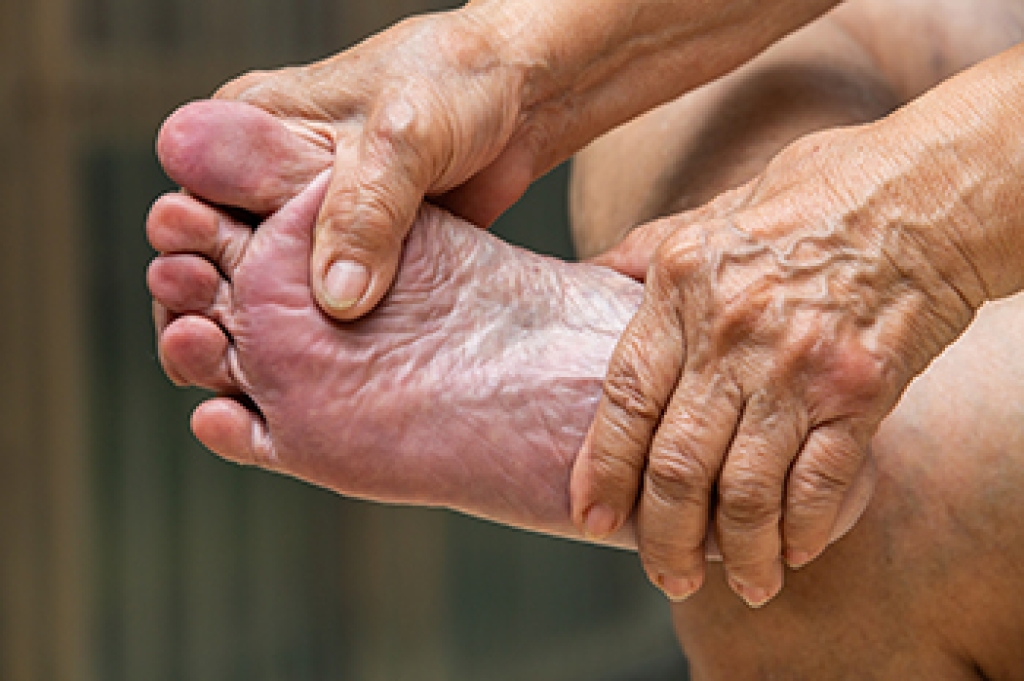
Causes and Risks Factors for Elderly Foot Pain

Chronic foot pain is a common concern among older adults, and it often increases with advancing age. Years of wear and tear can weaken bones, joints, ligaments, and soft tissues, making the feet more vulnerable to discomfort and injury. Risk factors include being female, excess body weight, and conditions such as osteoarthritis, which can cause stiffness, swelling, and ongoing pain. Depression may also play a role by altering pain perception and reducing physical activity, which can further strain the feet. A podiatrist can identify the source of chronic foot pain through a thorough evaluation and imaging, when needed. Treatment may include custom orthotics, footwear guidance, targeted therapies, and management of underlying conditions. If foot pain is limiting your mobility or quality of life, it is suggested that you seek professional care with a podiatrist who can treat various foot and ankle conditions, and guide you on elderly foot care tips.

Proper foot care is something many older adults forget to consider. If you have any concerns about your feet and ankles, contact one of our podiatrists from Dr. Jeffrey J. Betman & Associates . Our doctors can provide the care you need to keep you pain-free and on your feet.

The Elderly and Their Feet

As we age we start to notice many changes in our body, but the elder population may not notice them right away. Medical conditions may prevent the elderly to take notice of their foot health right away. Poor vision is a lead contributor to not taking action for the elderly.

Common Conditions 

  • Neuropathy – can reduce feeling in the feet and can hide many life-threatening medical conditions.
  • Reduced flexibility – prevents the ability of proper toenail trimming, and foot cleaning. If left untreated, it may lead to further medical issues.
  • Foot sores – amongst the older population can be serious before they are discovered. Some of the problematic conditions they may face are:
  • Gouging toenails affecting nearby toe
  • Shoes that don’t fit properly
  • Pressure sores
  • Loss of circulation in legs & feet
  • Edema & swelling of feet and ankles

Susceptible Infections

Diabetes and poor circulation can cause general loss of sensitivity over the years, turning a simple cut into a serious issue.

If you have any questions, please feel free to contact our offices located in Northwest Chicago, Southwest Chicago, and Wicker Park, Chicago, IL . We offer the newest diagnostic and treatment technologies for all your foot care needs.
Read more about Elderly Foot Care

Cuboid Syndrome and Foot Function

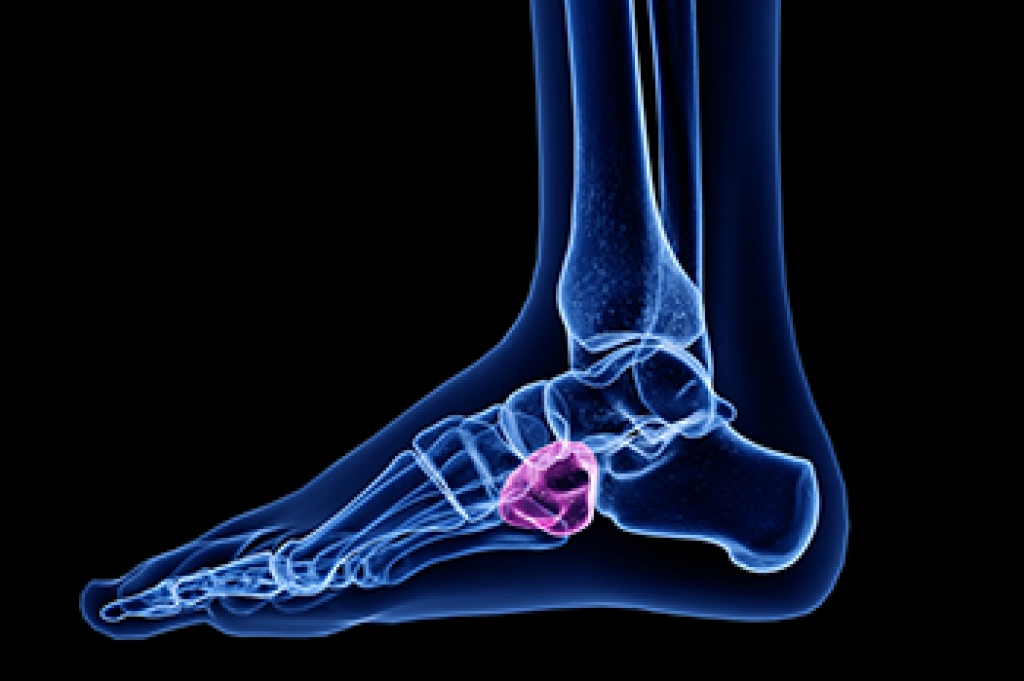
Cuboid syndrome is a condition that occurs when the cuboid bone in the mid-foot becomes partially displaced or moves improperly, leading to pain and instability along the outer side of the foot. The cuboid bone plays a vital role in foot structure by supporting the arch and assisting with proper weight distribution during walking and standing. When this bone is not functioning correctly, symptoms may include lateral foot pain, tenderness, swelling, weakness and difficulty bearing weight. Pain often worsens with activity and may feel similar to an ankle sprain. A podiatrist can accurately diagnose cuboid syndrome through a thorough examination and targeted imaging, when needed. Treatment may include manual realignment, supportive taping, custom orthotics and rehabilitation exercises to restore long-term stability. If you have pain in this part of your foot, it is suggested that you consult a podiatrist who can accurately diagnose and treat what may be going on. 

Cuboid syndrome, also known as cuboid subluxation, occurs when the joints and ligaments near the cuboid bone in the foot become torn. If you have cuboid syndrome, consult with one of our podiatrists from Dr. Jeffrey J. Betman & Associates . Our doctors will assess your condition and provide you with quality foot and ankle treatment.

Cuboid syndrome is a common cause of lateral foot pain, which is pain on the outside of the foot. The condition may happen suddenly due to an ankle sprain, or it may develop slowly overtime from repetitive tension through the bone and surrounding structures.

Causes

The most common causes of cuboid syndrome include:

  • Injury – The most common cause of this ailment is an ankle sprain.
  • Repetitive Strain – Tension placed through the peroneus longus muscle from repetitive activities such as jumping and running may cause excessive traction on the bone causing it to sublux.
  • Altered Foot Biomechanics – Most people suffering from cuboid subluxation have flat feet.

Symptoms

A common symptom of cuboid syndrome is pain along the outside of the foot which can be felt in the ankle and toes. This pain may create walking difficulties and may cause those with the condition to walk with a limp.

Diagnosis

Diagnosis of cuboid syndrome is often difficult, and it is often misdiagnosed. X-rays, MRIs and CT scans often fail to properly show the cuboid subluxation. Although there isn’t a specific test used to diagnose cuboid syndrome, your podiatrist will usually check if pain is felt while pressing firmly on the cuboid bone of your foot.

Treatment

Just as the range of causes varies widely, so do treatments. Some more common treatments are ice therapy, rest, exercise, taping, and orthotics.

If you have any questions, please feel free to contact our offices located in Northwest Chicago, Southwest Chicago, and Wicker Park, Chicago, IL . We offer the newest diagnostic and treatment technologies for all your foot care needs.
Read more about Cuboid Syndrome

Preventing Foot Blisters While Hiking

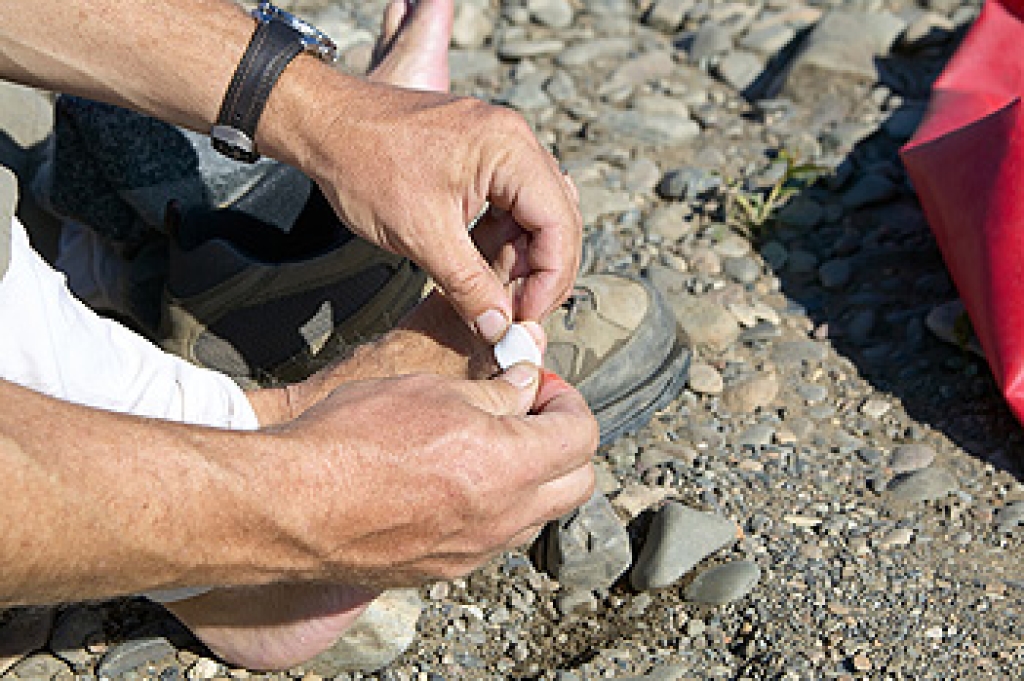
Blisters are small pockets of fluid that form on the skin due to friction, pressure, or moisture, commonly occurring while hiking. They often develop when shoes rub against the foot, especially during long treks or with new or poorly fitting footwear. Preventing blisters begins with choosing the right socks made of moisture-wicking materials, breaking in new shoes gradually, and keeping feet dry throughout the hike. Proper foot care and attention to hotspots can significantly reduce the risk of painful blisters. A podiatrist can evaluate foot structure, recommend suitable hiking footwear, provide protective padding, and offer guidance on prevention strategies tailored to your feet. If you have developed painful blisters on your feet from hiking, it  is suggested that you consult a podiatrist who can treat them, and guide you on effective blister prevention tips.

Blisters are prone to making everyday activities extremely uncomfortable. If your feet are hurting, contact one of our podiatrists of Dr. Jeffrey J. Betman & Associates . Our doctors can provide the care you need to keep you pain-free and on your feet.

Foot Blisters

Foot blisters develop as a result of constantly wearing tight or ill-fitting footwear. This happens due to the constant rubbing from the shoe, which can often lead to pain.

What Are Foot Blisters?

A foot blister is a small fluid-filled pocket that forms on the upper-most layer of the skin. Blisters are filled with clear fluid and can lead to blood drainage or pus if the area becomes infected.

How Do Blisters Form?

Blisters on the feet are often the result of constant friction of skin and material, usually by shoe rubbing. Walking in sandals, boots, or shoes that don’t fit properly for long periods of time can result in a blister. Having consistent foot moisture and humidity can easily lead to blister formation.

Prevention & Treatment

It is important to properly care for the affected area in order to prevent infection and ease the pain. Do not lance the blister and use a Band-Aid to provide pain relief. Also, be sure to keep your feet dry and wear proper fitting shoes. If you see blood or pus in a blister, seek assistance from a podiatrist.

If you have any questions, please feel free to contact our offices located in Northwest Chicago, Southwest Chicago, and Wicker Park, Chicago, IL . We offer the newest diagnostic and treatment technologies for all your foot care needs.
Read more about Blisters

Sever’s Disease and How Early Care Supports Healing

Sever’s disease is a common cause of heel pain in growing children and often appears during growth spurts when the heel bone develops faster than the surrounding soft tissues. Symptoms may include stiffness, tenderness at the back of the heel, limping after activity, and swelling that can make the heel look slightly puffy or irritated. It may feel like a deep ache or sharp discomfort during running and jumping, and the child may avoid weight bearing on the affected side. Causes often relate to repetitive stress from sports, tight calf muscles, or biomechanical issues such as flat feet or high arches. A podiatrist can begin by assessing the child’s gait, examining the heel, and ruling out other conditions. Early diagnosis leads to effective treatment options, such as activity modification, heel cushions, stretching programs, and custom orthotics to reduce strain. Because timely care supports proper healing and comfort, it is suggested that you schedule an appointment with a podiatrist for effective relief tips.

Sever's disease often occurs in children and teens. If your child is experiencing foot or ankle pain, see one of our podiatrists from Dr. Jeffrey J. Betman & Associates . Our doctors can treat your child’s foot and ankle needs.

Sever’s Disease

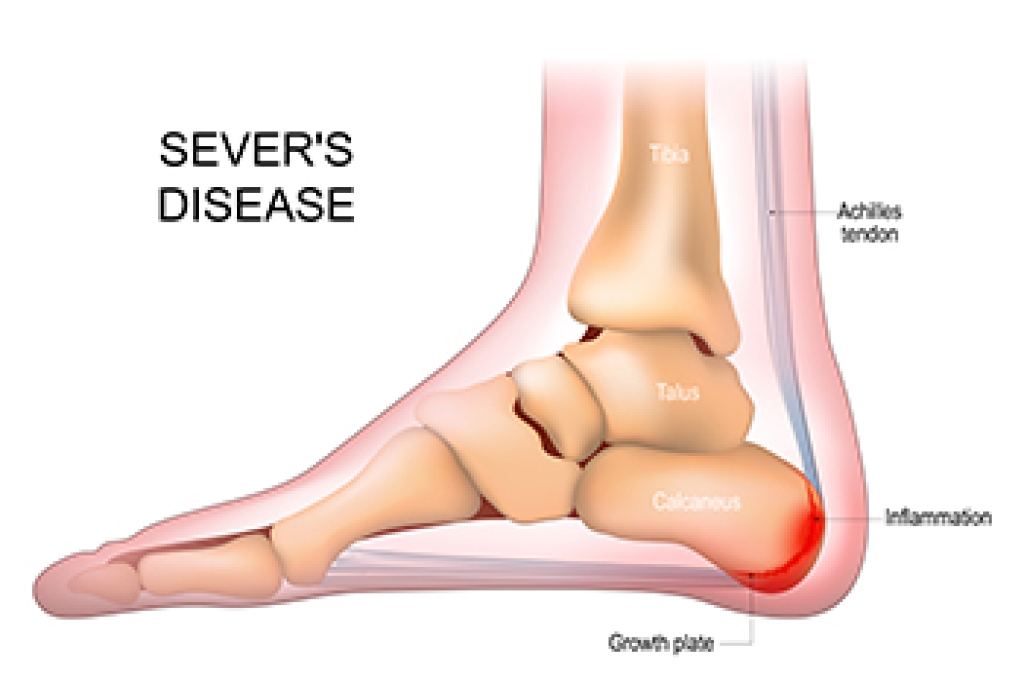
Sever’s disease is also known as calcaneal apophysitis, which is a medical condition that causes heel pain I none or both feet. The disease is known to affect children between the ages of 8 and 14.

Sever’s disease occurs when part of the child’s heel known as the growth plate (calcaneal epiphysis) is attached to the Achilles tendon. This area can suffer injury when the muscles and tendons of the growing foot do not keep pace with bone growth. Therefore, the constant pain which one experiences at the back of the heel will make the child unable to put any weight on the heel. The child is then forced to walk on their toes.

Symptoms

Acute pain – Pain associated with Sever’s disease is usually felt in the heel when the child engages in physical activity such as walking, jumping and or running.

Highly active – Children who are very active are among the most susceptible in experiencing Sever’s disease, because of the stress and tension placed on their feet.

If you have any questions, please feel free to contact our offices located in Northwest Chicago, Southwest Chicago, and Wicker Park, Chicago, IL . We offer the newest diagnostic and treatment technologies for all your foot care needs.
Read more about Sever's Disease

When Heel Pain Starts With the Plantar Fascia

Plantar fasciitis develops when the thick band of tissue along the bottom of the foot becomes irritated, often from repeated strain or limited flexibility in the surrounding muscles. Many people first notice a sharp or pulling sensation near the heel when getting out of bed or after sitting for a while. As the day goes on, the pain may ease, only to return after long periods of standing or increased activity. The condition can appear in anyone, especially those who spend long hours on their feet, have high or low arches, or wear shoes that lack steady support. Addressing the irritation early with stretching, wearing supportive footwear, and activity changes helps prevent the problem from becoming persistent. If heel discomfort continues or begins to interfere with daily movement, it is suggested that you schedule an appointment with a podiatrist for proper guidance.

Plantar fasciitis is a common foot condition that is often caused by a strain injury. If you are experiencing heel pain or symptoms of plantar fasciitis, contact one of our podiatrists from Dr. Jeffrey J. Betman & Associates . Our doctors can provide the care you need to keep you pain-free and on your feet.

What Is Plantar Fasciitis?

Plantar fasciitis is one of the most common causes of heel pain. The plantar fascia is a ligament that connects your heel to the front of your foot. When this ligament becomes inflamed, plantar fasciitis is the result. If you have plantar fasciitis you will have a stabbing pain that usually occurs with your first steps in the morning. As the day progresses and you walk around more, this pain will start to disappear, but it will return after long periods of standing or sitting.

What Causes Plantar Fasciitis?

  • Excessive running
  • Having high arches in your feet
  • Other foot issues such as flat feet
  • Pregnancy (due to the sudden weight gain)
  • Being on your feet very often

There are some risk factors that may make you more likely to develop plantar fasciitis compared to others. The condition most commonly affects adults between the ages of 40 and 60. It also tends to affect people who are obese because the extra pounds result in extra stress being placed on the plantar fascia.

Prevention

  • Take good care of your feet – Wear shoes that have good arch support and heel cushioning.
  • Maintain a healthy weight
  • If you are a runner, alternate running with other sports that won’t cause heel pain

There are a variety of treatment options available for plantar fasciitis along with the pain that accompanies it. Additionally, physical therapy is a very important component in the treatment process. It is important that you meet with your podiatrist to determine which treatment option is best for you.

If you have any questions, please feel free to contact our offices located in Northwest Chicago, Southwest Chicago, and Wicker Park, Chicago, IL . We offer the newest diagnostic and treatment technologies for all your foot care needs.
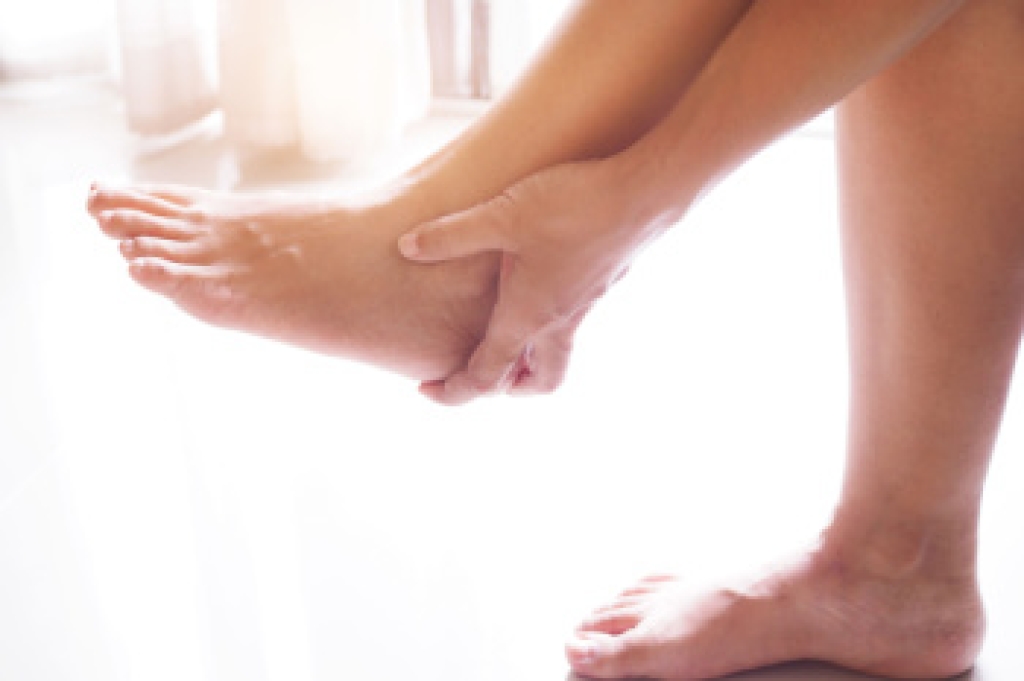
 

Read more about Plantar Fasciitis

Connect With Us