Protecting Your Feet With Falls Prevention Tips

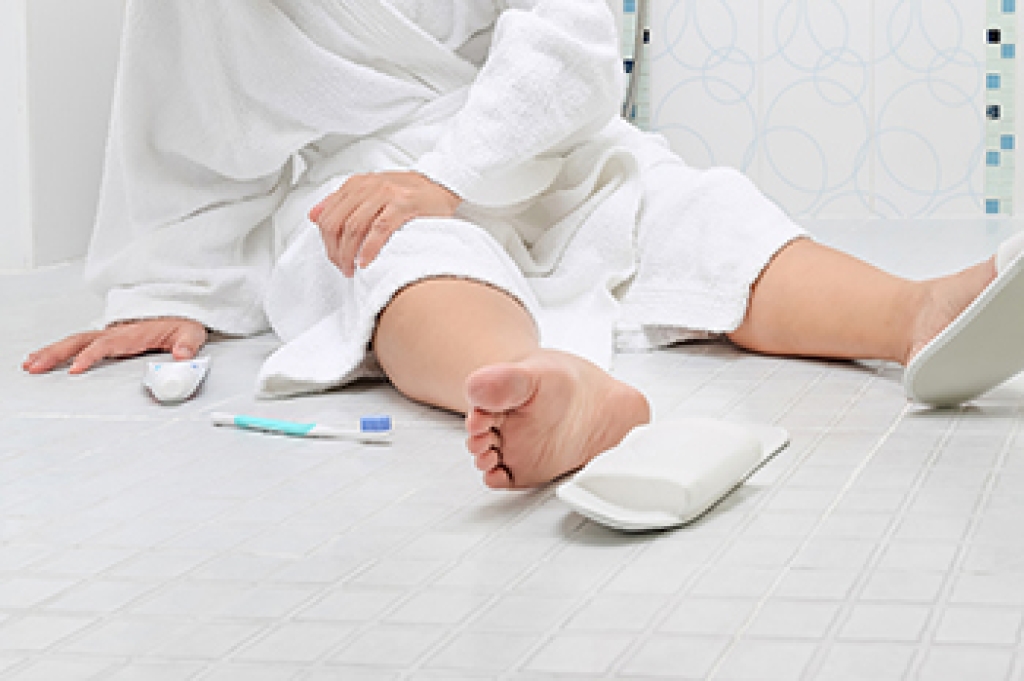
Lowering the risk of falling is essential for maintaining mobility and preventing serious injuries, especially to the feet and ankles. Balance training can strengthen muscles and improve stability. Creating a safer home by removing loose rugs and improving lighting reduces tripping hazards. Having your vision checked and reviewing medications helps minimize dizziness and imbalance. Falls often lead to foot fractures, sprains, and lasting pain. A podiatrist can assess your foot structure, recommend supportive footwear, and offer guidance on fall prevention strategies. If you have sustained a fall and have injured your foot, it is suggested that you consult a podiatrist who can treat various foot conditions, and guide you on effective fall prevention techniques.

Preventing falls among the elderly is very important. If you are older and have fallen or fear that you are prone to falling, consult with one of our podiatrists from Dr. Jeffrey J. Betman & Associates . Our doctors will assess your condition and provide you with quality advice and care.

Every 11 seconds, an elderly American is being treated in an emergency room for a fall related injury. Falls are the leading cause of head and hip injuries for those 65 and older. Due to decreases in strength, balance, senses, and lack of awareness, elderly persons are very susceptible to falling. Thankfully, there are a number of things older persons can do to prevent falls.

How to Prevent Falls

Some effective methods that older persons can do to prevent falls include:

  • Enrolling in strength and balance exercise program to increase balance and strength
  • Periodically having your sight and hearing checked
  • Discuss any medications you have with a doctor to see if it increases the risk of falling
  • Clearing the house of falling hazards and installing devices like grab bars and railings
  • Utilizing a walker or cane
  • Wearing shoes that provide good support and cushioning
  • Talking to family members about falling and increasing awareness

Falling can be a traumatic and embarrassing experience for elderly persons; this can make them less willing to leave the house, and less willing to talk to someone about their fears of falling. Doing such things, however, will increase the likelihood of tripping or losing one’s balance. Knowing the causes of falling and how to prevent them is the best way to mitigate the risk of serious injury.  

If you have any questions, please feel free to contact our offices located in Northwest Chicago, Southwest Chicago, and Wicker Park, Chicago, IL . We offer the newest diagnostic and treatment technologies for all your foot care needs.

Read more about Falls Prevention

Plantar Warts Can Be Treated!

Plantar warts are small growths that develop on parts of the feet that bear weight. They're typically found on the bottom of the foot. Don't live with plantar warts, and call us today!

Exercises Can Strengthen Weak Ankles

Strong ankles play an important role in stability, movement, and injury prevention. The ankle is a complex joint supported by bones, ligaments, and tendons that help carry body weight while allowing movement. Weak or tight ankles may increase the risk of sprains, joint pain, or limited mobility. Performing exercises designed to strengthen and stretch the muscles surrounding the ankle can help improve stability and balance. Movements such as raising the heels off the ground, curling a towel with the toes, or tracing the alphabet in the air with the foot can help target key muscle groups in the ankle and lower leg. These exercises may also promote better joint flexibility and reduce the risk of injury by supporting healthy ankle function. A podiatrist can recommend appropriate exercises and evaluate for any underlying conditions that may be affecting ankle strength or motion. If you have weak or unstable ankles, it is suggested that you schedule an appointment with a podiatrist for an exam and appropriate treatment options.

Exercising your feet regularly with the proper foot wear is a great way to prevent injuries and build strength. If you have any concerns about your feet, contact one of our podiatrists from Dr. Jeffrey J. Betman & Associates . Our doctors can provide the care you need to keep you pain-free and on your feet.

Exercise for Your Feet

Exercise for your feet can help you gain strength, mobility and flexibility in your feet. They say that strengthening your feet can be just as rewarding as strengthening another part of the body. Your feet are very important, and we often forget about them in our daily tasks. But it is because of our feet that are we able to get going and do what we need to. For those of us fortunate enough to not have any foot problems, it is an important gesture to take care of them to ensure good health in the long run.

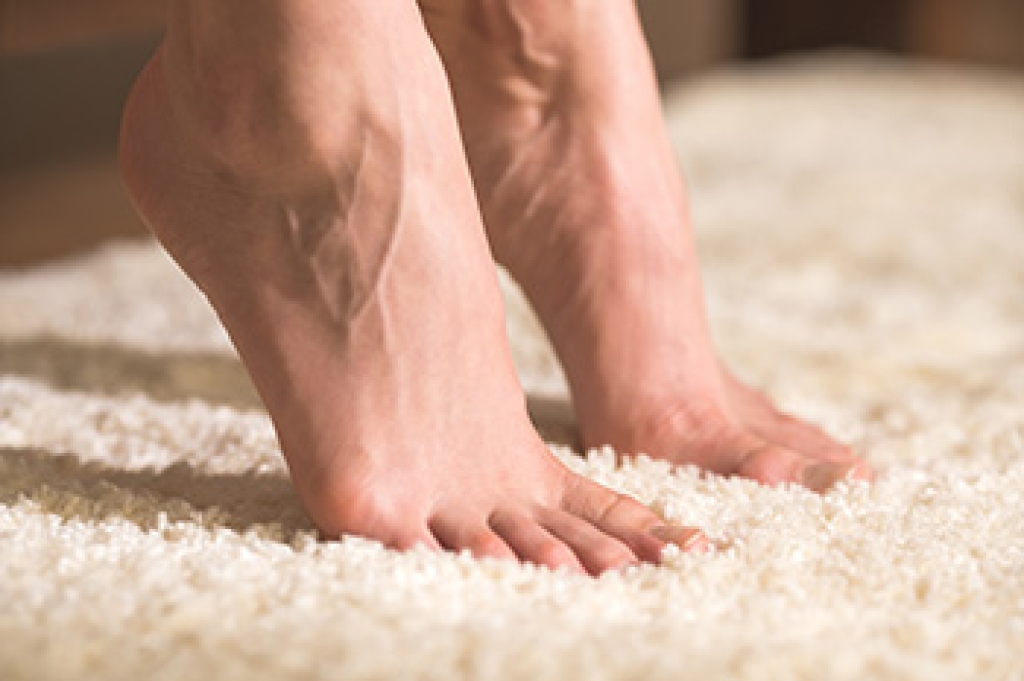
Some foot health exercises can include ankle pumps, tip-toeing, toe rises, lifting off the floor doing reps and sets, and flexing the toes. It is best to speak with Our doctors to determine an appropriate regimen for your needs. Everyone’s needs and bodies are different, and the activities required to maintain strength in the feet vary from individual to individual. 

Once you get into a routine of doing regular exercise, you may notice a difference in your feet and how strong they may become.

If you have any questions, please feel free to contact our offices located in Northwest Chicago, Southwest Chicago, and Wicker Park, Chicago, IL . We offer the newest diagnostic and treatment technologies for all your foot care needs.
Read more about Exercise for Your Feet

Causes and Podiatric Solutions for Cracked Heels

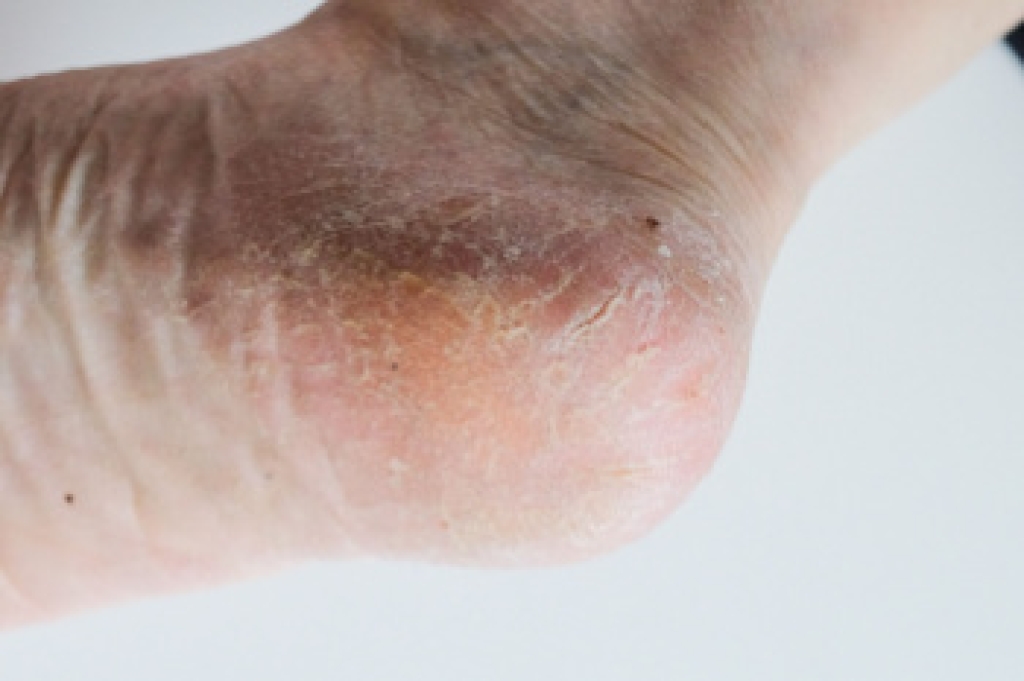
Cracked heels are a common foot concern where the skin surrounding the heel becomes dry, thick, and split due to pressure or dehydration. This condition may result from prolonged standing, wearing open-backed footwear, obesity, or skin disorders such as eczema. Risk factors include aging, poor hydration, and medical conditions like diabetes or thyroid issues. Symptoms often involve dry, rough skin with visible cracks, discomfort, and sometimes bleeding or infection. A podiatrist can treat cracked heels by removing hardened skin, applying healing treatments, and recommending moisturizers or custom orthotics. If you are experiencing pain or difficulty from dry, split heels, it is suggested that you consult a podiatrist for relief and appropriate treatment solutions.

Cracked heels are unsightly and can cause further damage to your shoes and feet. If you have any concerns, contact one of our podiatrists from Dr. Jeffrey J. Betman & Associates . Our doctors can provide the care you need to keep you pain-free and on your feet.

Cracked Heels

Cracked heels appear unappealing and can make it harder for you walk around in sandals. Aside from looking unpleasant, cracked heels can also tear stockings, socks, and wear out your shoes. There are several methods to help restore a cracked heel and prevent further damage.

How Do You Get Them?

Dry skin is the number one culprit in creating cracked heels. Many athletes, walkers, joggers, and even swimmers suffer from cracked heels. Age and skin oil production play a role to getting cracked heels as well.

Promote Healing

Over the counter medicines can help, especially for those that need instant relief or who suffer from chronic dry feet.

Wear Socks – Wearing socks with medicated creams helps lock in moisture.

Moisturizers – Applying both day and night will help alleviate dryness which causes cracking.

Pumice Stones – These exfoliate and remove dead skin, which allows for smoother moisturizer application and better absorption into the skin. 

Change in Diet

Eating healthy with a well-balanced diet will give the skin a fresh and radiant look. Your body responds to the kinds of food you ingest. Omega-3 fatty acids and zinc supplements can also revitalize skin tissue.

Most importantly, seek professional help if unsure how to proceed in treating cracked heels. A podiatrist will help you with any questions or information needed. 

If you have any questions, please feel free to contact our offices located in Northwest Chicago, Southwest Chicago, and Wicker Park, Chicago, IL . We offer the newest diagnostic and treatment technologies for all your foot care needs.
Read more about Solutions for Cracked Heels

What Swollen Feet in Late Pregnancy Can Mean

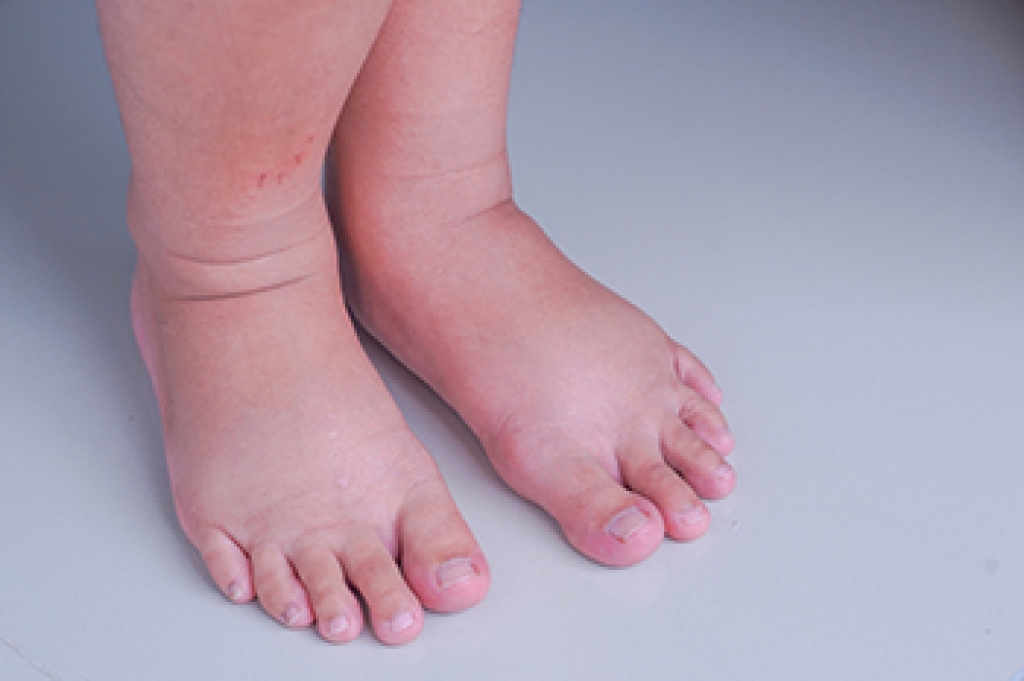
Swollen feet are common during late pregnancy and are often caused by edema, which is the buildup of fluid in the lower limbs due to increased pressure from the growing uterus. However, swelling can also signal more serious conditions. Preeclampsia may cause sudden or severe swelling along with high blood pressure. Peripartum cardiomyopathy, a rare form of heart failure, and deep vein thrombosis, a blood clot in the leg, are medical emergencies. A podiatrist can help monitor swelling, recommend supportive footwear, suggest exercises, and identify signs that need urgent care. If you notice unusual or painful foot swelling during your pregnancy, it is strongly suggested that you promptly visit a podiatrist for expert guidance and relief options.

Pregnant women with swollen feet can be treated with a variety of different methods that are readily available. For more information about other cures for swollen feet during pregnancy, consult with one of our podiatrists from Dr. Jeffrey J. Betman & Associates . Our doctors will attend to all of your foot and ankle needs.

What Foot Problems Can Arise During Pregnancy?

One problem that can occur is overpronation, which occurs when the arch of the foot flattens and tends to roll inward.  This can cause pain and discomfort in your heels while you’re walking or even just standing up, trying to support your baby.  

Another problem is edema, or swelling in the extremities. This often affects the feet during pregnancy but tends to occur in the later stages. 

How Can I Keep My Feet Healthy During Pregnancy?

  • Wearing orthotics can provide extra support for the feet and help distribute weight evenly
  • Minimize the amount of time spent walking barefoot
  • Wear shoes with good arch support
  • Wear shoes that allow for good circulation to the feet
  • Elevate feet if you experience swelling
  • Massage your feet
  • Get regular, light exercise, such as walking, to promote blood circulation to the feet

If you have any questions, please feel free to contact our offices located in Northwest Chicago, Southwest Chicago, and Wicker Park, Chicago, IL . We offer the newest diagnostic and treatment technologies for all your foot care needs.
Read more about Pregnancy and Foot Health

Facts About Diabetic Neuropathy in the Feet

Diabetic neuropathy is a common complication of both type 1 and type 2 diabetes, caused by prolonged high blood sugar levels that damage the nerves, particularly in the feet. Symptoms typically include numbness, tingling, burning, or sharp pain. However, a lesser-known symptom is the loss of temperature sensitivity, which can lead to unrecognized burns from hot surfaces or heating pads. The feet may appear normal or have dry, cracked skin due to reduced sweat production. Over time, nerve damage can lead to muscle weakness and changes in foot shape, increasing the risk of pressure sores or ulcers. A podiatrist diagnoses diabetic neuropathy through a physical exam, nerve testing, and by assessing skin and circulation health. Treatment focuses on managing blood sugar, protecting the feet, using custom orthotics, and preventing complications with regular checkups and foot care education. If you are dealing with this condition, it is suggested that you make an appointment with a podiatrist for evaluation and treatment.

Neuropathy

Neuropathy can be a potentially serious condition, especially if it is left undiagnosed. If you have any concerns that you may be experiencing nerve loss in your feet, consult with one of our podiatrists from Dr. Jeffrey J. Betman & Associates . Our doctors will assess your condition and provide you with quality foot and ankle treatment for neuropathy.

What Is Neuropathy?

Neuropathy is a condition that leads to damage to the nerves in the body. Peripheral neuropathy, or neuropathy that affects your peripheral nervous system, usually occurs in the feet. Neuropathy can be triggered by a number of different causes. Such causes include diabetes, infections, cancers, disorders, and toxic substances.

Symptoms of Neuropathy Include:

  • Numbness
  • Sensation loss
  • Prickling and tingling sensations
  • Throbbing, freezing, burning pains
  • Muscle weakness

Those with diabetes are at serious risk due to being unable to feel an ulcer on their feet. Diabetics usually also suffer from poor blood circulation. This can lead to the wound not healing, infections occurring, and the limb may have to be amputated.

Treatment

To treat neuropathy in the foot, podiatrists will first diagnose the cause of the neuropathy. Figuring out the underlying cause of the neuropathy will allow the podiatrist to prescribe the best treatment, whether it be caused by diabetes, toxic substance exposure, infection, etc. If the nerve has not died, then it’s possible that sensation may be able to return to the foot.

Pain medication may be issued for pain. Electrical nerve stimulation can be used to stimulate nerves. If the neuropathy is caused from pressure on the nerves, then surgery may be necessary.

If you have any questions, please feel free to contact our offices located in Northwest Chicago, Southwest Chicago, and Wicker Park, Chicago, IL . We offer the newest diagnostic and treatment technologies for all your foot care needs.

Read more about Neuropathy

Causes of Pain in the Ball of the Foot

Pain in the ball of the foot, known medically as metatarsalgia, often arises from activities such as running, wearing tightly fitted or high‑heeled shoes, or a natural foot shape that places extra pressure on the forefoot. The ball of the foot becomes sore, swollen, bruised, or burning. It can feel as though a pebble is under your foot. Metatarsalgia also may be caused by a sprain, bursitis, arthritis, nerve irritation or a developing bunion. Persistent or worsening symptoms call for evaluation by a podiatrist, who can examine foot structure, toe alignment, gait mechanics, and weight distribution across the forefoot. A podiatrist might recommend custom orthotic inserts, advise on supportive footwear, or, if structural abnormalities are advanced, recommend surgery to address underlying bone, joint, or soft tissue issues. By identifying the precise cause of the pain in the ball of the foot, a podiatrist can design a practical plan to alleviate pain and improve function. If you are experiencing such symptoms, it is suggested that you schedule an appointment with a podiatrist for appropriate care.

Foot Pain

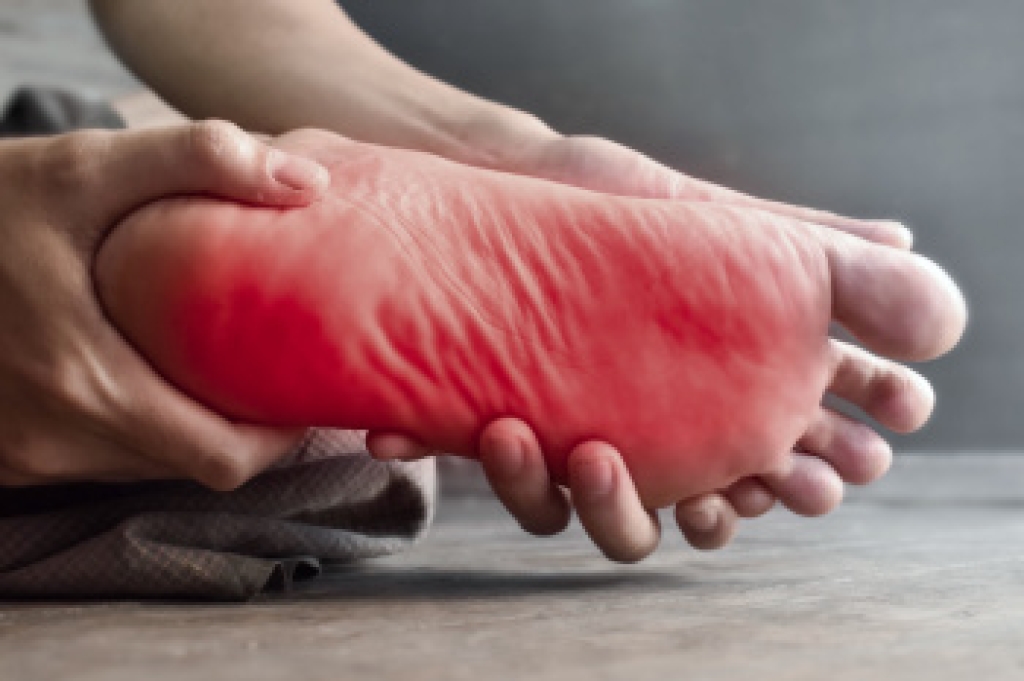
Foot pain can be extremely painful and debilitating. If you have a foot pain, consult with one of our podiatrists from Dr. Jeffrey J. Betman & Associates . Our doctors will assess your condition and provide you with quality foot and ankle treatment.

Causes

Foot pain is a very broad condition that could be caused by one or more ailments. The most common include:

  • Bunions
  • Hammertoes
  • Plantar Fasciitis
  • Bone Spurs
  • Corns
  • Tarsal Tunnel Syndrome
  • Ingrown Toenails
  • Arthritis (such as Gout, Rheumatoid, and Osteoarthritis)
  • Flat Feet
  • Injury (from stress fractures, broken toe, foot, ankle, Achilles tendon ruptures, and sprains)
  • And more

Diagnosis

To figure out the cause of foot pain, podiatrists utilize several different methods. This can range from simple visual inspections and sensation tests to X-rays and MRI scans. Prior medical history, family medical history, and any recent physical traumatic events will all be taken into consideration for a proper diagnosis.

Treatment

Treatment depends upon the cause of the foot pain. Whether it is resting, staying off the foot, or having surgery; podiatrists have a number of treatment options available for foot pain.

If you have any questions, please feel free to contact our offices located in Northwest Chicago, Southwest Chicago, and Wicker Park, Chicago, IL . We offer the newest diagnostic and treatment technologies for all your foot care needs.

Read more about Foot Pain

Do You Suffer From Painful Feet?

Painful deformities, such as hammertoes, can be treated. Stop living with foot pain, and have beautiful feet again!

Managing a Dislocated Toe

A dislocated toe occurs when the bones in a toe joint are forced out of alignment, often from a sudden impact, twist, or fall. This injury is common in sports and activities that involve jumping or quick direction changes. Symptoms include sharp pain, swelling, bruising, difficulty moving the toe, or a visible deformity. In some cases, a dislocation can occur along with a fracture. A podiatrist will examine the toe and confirm the injury with an X-ray to assess the position of the bones and check for any breaks. If the bones are out of place, a podiatrist may perform a closed reduction, a process that involves gently guiding the bones back into position. If the injury is more severe, surgery may be needed to restore joint alignment. Stabilization methods, such as splints or supportive footwear, may be used during recovery. If you are experiencing toe pain due to an injury or possible dislocation, it is suggested that you schedule an appointment with a podiatrist for an exam and appropriate treatment options.

Toe pain can disrupt your daily activities. If you have any concerns, contact one of our podiatrists of Dr. Jeffrey J. Betman & Associates . Our doctors can provide the care you need to keep you pain-free and on your feet.

What Causes Toe Pain?

Most severe toe pain is caused due to a sports injury, trauma from dropping something heavy on the toe, or bumping into something rigid. Other problems can develop over time for various reasons.

Toe pain can be caused by one or more ailments. The most common include:

  • Trauma
  • Sports injury
  • Wearing shoes that are too tight
  • Arthritis
  • Gout
  • Corns and calluses
  • Hammertoe
  • Bunions
  • Blisters
  • Ingrown toenails
  • Sprains
  • Fractures (broken bones)
  • Dislocations

When to See a Podiatrist

  • Severe pain
  • Persistent pain that lasts more than a week
  • Signs of infection
  • Continued swelling
  • Pain that prevents walking

Diagnosis

In many cases the cause of toe pain is obvious, but in others, a podiatrist may want to use more advanced methods to determine the problem. These can range from simple visual inspections and sensation tests to X-rays and MRI scans. Prior medical history, family medical history, and any recent physical traumatic events will all be taken into consideration for a proper diagnosis.

Treatment

Treatments for toe pain and injuries vary and may include shoe inserts, padding, taping, medicines, injections, and in some cases, surgery. If you believe that you have broken a toe, please see a podiatrist as soon as possible.

If you have any questions please contact our offices located in Northwest Chicago, Southwest Chicago, and Wicker Park, Chicago, IL . We offer the newest diagnostic and treatment technologies for all your foot and ankle needs.

Read more about Toe Pain

Managing Pain and Preventing Gout Flare-Ups

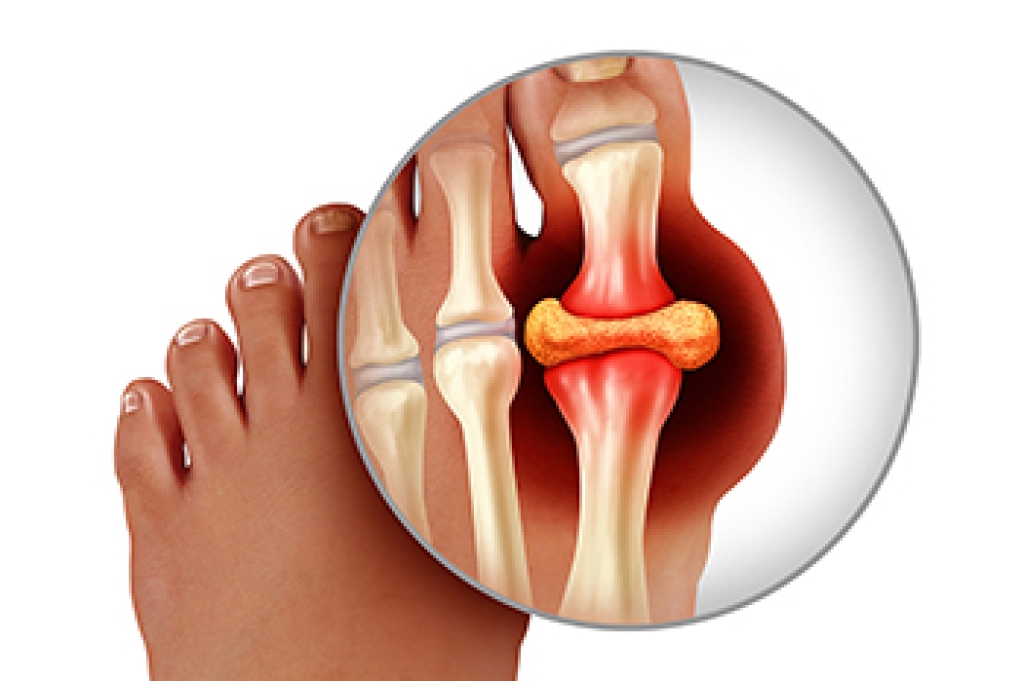
Gout is a form of inflammatory arthritis caused by a buildup of uric acid crystals in the joints, often affecting the big toe. This condition leads to sudden and severe pain, redness, and swelling. Risk factors include obesity, high blood pressure, diabetes, and a diet high in red meat, seafood, and alcohol. Symptoms can come on quickly and may return if not properly managed. To reduce the risk of flare-ups, individuals are encouraged to consume low-purine foods such as fruits, vegetables, whole grains, and plenty of water. A podiatrist can help by diagnosing the condition, managing pain, and offering long-term strategies. If you have gout attacks, it is suggested that you seek care from a podiatrist to manage gout effectively and protect your joint health.

Gout is a painful condition that can be treated. If you are seeking treatment, contact one of our podiatrists from Dr. Jeffrey J. Betman & Associates . Our doctors will treat your foot and ankle needs.

What Is Gout?

Gout is a form of arthritis that is characterized by sudden, severe attacks of pain, redness, and tenderness in the joints. The condition usually affects the joint at the base of the big toe. A gout attack can occur at any random time, such as the middle of the night while you are asleep.

Symptoms

  • Intense Joint Pain - Usually around the large joint of your big toe, and it most severe within the first four to twelve hours
  • Lingering Discomfort - Joint discomfort may last from a few days to a few weeks
  • Inflammation and Redness -Affected joints may become swollen, tender, warm and red
  • Limited Range of Motion - May experience a decrease in joint mobility

Risk Factors

  • Genetics - If family members have gout, you’re more likely to have it
  • Medications - Diuretic medications can raise uric acid levels
  • Gender/Age - Gout is more common in men until the age of 60. It is believed that estrogen protects women until that point
  • Diet - Eating red meat and shellfish increases your risk
  • Alcohol - Having more than two alcoholic drinks per day increases your risk
  • Obesity - Obese people are at a higher risk for gout

Prior to visiting your podiatrist to receive treatment for gout, there are a few things you should do beforehand. If you have gout you should write down your symptoms--including when they started and how often you experience them, important medical information you may have, and any questions you may have. Writing down these three things will help your podiatrist in assessing your specific situation so that he or she may provide the best route of treatment for you.

If you have any questions, please feel free to contact our offices located in Northwest Chicago, Southwest Chicago, and Wicker Park, Chicago, IL . We offer the newest diagnostic and treatment technologies for all your foot care needs.

Read more about Everything You Need to Know About Gout

Connect With Us