Constant care and regular evaluation are important for a foot or ankle fracture. If left untreated, foot or ankle fractures can worsen over time and create more serious problems.
Don't wait to be examined if you believe you've experienced a foot or ankle fracture.
Parents and coaches that are involved in youth running may find one of their runners may be on the verge of burning out. This is defined as having prolonged frustration, which may lead to becoming emotionally and physically exhausted. Some of the symptoms that are associated with burnout can include a lack of motivation, mood changes, and chronic fatigue. It is important to prevent running injuries from occurring, and this can be accomplished by ensuring that young athletes get adequate sleep. Additionally, it is beneficial to promote healthy eating habits, and warming up before running can keep the body limber. Burnout may be prevented by making sure there is enough recovery time, and it may be helpful to change the race distance, in addition to promoting other activities. Running injuries can impact the feet, and can temporarily halt running. If you would like more information about how to implement running injury prevention techniques, it is suggested that you confer with a podiatrist.
Exercising your feet regularly with the proper foot wear is a great way to prevent injuries. If you have any concerns about your feet, contact one of our podiatrists of Dr. Jeffrey J. Betman & Associates . Our doctors will treat your foot and ankle needs.
How to Prevent Running Injuries
Many common running injuries are caused by overuse and overtraining. When the back of the kneecap starts wearing out and starts causing pain in your knee, this is commonly referred to as runner’s knee. Runner’s knee is a decrease in strength in your quadriceps and can occur if you’re not wearing properly fitted or supporting shoes. To prevent runner’s knee, focusing on hip strengthening is a good idea, as well as strengthening your quads to keep the kneecaps aligned.
What Are Some Causes of Running Injuries? - One cause of a common running injury is called iliotibial band syndrome. - Plantar fasciitis is also another common injury. - Stress fractures can occur from overtraining, lack of calcium, or even your running style.
Best Ways to Prevent Running Injuries - Wear footwear that fits properly and suits your running needs. - Running shoes are the only protective gear that runners have to safeguard them from injury. - Make a training schedule. Adding strengthening exercises as well as regular stretching can help keep you strong and limber and can lessen the possibility of injuries. - Stretching keeps muscles limber; this will help you gain better flexibility.
A bunion is a bony lump that forms on the side of the big toe. It can become larger, and cause the other toes to move toward each other. Patients who have bunions and find difficulty in completing daily activities may choose to have bunion surgery performed. A bunion can be caused by genetic reasons, or from frequently wearing shoes that are too tight. Foot surgery may be considered, which may be successful in removing the bunion. This is referred to as a bunionectomy, and can be chosen if pain relief is not obtained from nonsurgical methods. After local anesthesia is administered, the podiatrist can determine which type of bunion surgery is best for you. When the joint in the big toe is cut and realigned, this is referred to as an osteotomy. An exostectomy is defined as surgery that removes the bunion and the toe is not aligned. When the deformity is corrected by using metal places or screws, this type of bunion surgery is known as an arthrodesis. If you have a bunion, and are considering surgery, it is strongly suggested that you are under the care of a podiatrist who can determine which type of foot surgery is correct for you.
Foot and ankle surgery is generally reserved for cases in which less invasive, conservative procedures have failed to alleviate the problem. Some of the cases in which surgery may be necessary include:
Removing foot deformities like bunions and bone spurs
Severe arthritis that has caused bone issues
Cosmetic reconstruction
What Types of Surgery Are There?
The type of surgery you receive will depend on the nature of the problem you have. Some of the possible surgeries include:
Bunionectomy for painful bunions
Surgical fusion for realignment of bones
Neuropathy decompression surgery to treat nerve damage
Benefits of Surgery
Although surgery is usually a last resort, it can provide more complete pain relief compared to non-surgical methods and may allow you to finally resume full activity.
Surgical techniques have also become increasingly sophisticated. Techniques like endoscopic surgery allow for smaller incisions and faster recovery times.
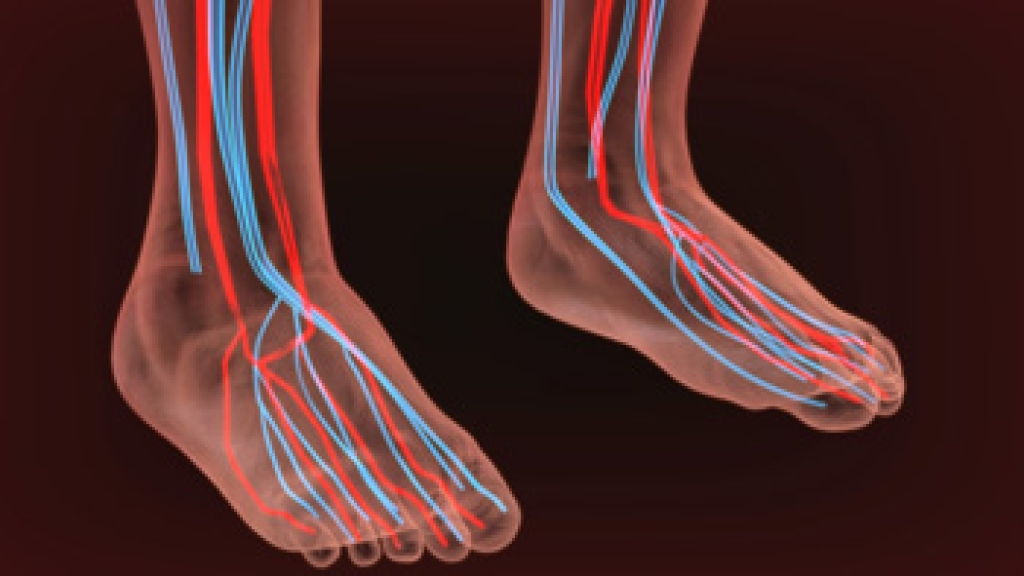
Maintaining proper blood circulation to the feet is a critical part of practicing good everyday foot health. This is because proper circulation ensures that blood and oxygen reach the feet. There is an interesting connection between poor circulation in the feet and dry skin. Namely, when an individual struggles with obesity, they can essentially carry extra weight that inhibits proper blood circulation. As a result of this inhibited circulation, the skin on the feet may harden and become dry. If you are someone living with poor circulation in the feet, it is suggested that you reach out to a podiatrist today to address any concerns or problems.
Poor circulation is a serious condition and needs immediate medical attention. If you have any concerns with poor circulation in your feet contact one of our podiatrists of Dr. Jeffrey J. Betman & Associates . Our doctors will treat your foot and ankle needs.
Poor Circulation in the Feet
Poor blood circulation in the feet and legs is can be caused by peripheral artery disease (PAD), which is the result of a buildup of plaque in the arteries.
Plaque buildup or atherosclerosis results from excess calcium and cholesterol in the bloodstream. This can restrict the amount of blood which can flow through the arteries. Poor blood circulation in the feet and legs are sometimes caused by inflammation in the blood vessels, known as vasculitis.
Causes
Lack of oxygen and oxygen from poor blood circulation restricts muscle growth and development. It can also cause:
Muscle pain, stiffness, or weakness
Numbness or cramping in the legs
Skin discoloration
Slower nail & hair growth
Erectile dysfunction
Those who have diabetes or smoke are at greatest risk for poor circulation, as are those who are over 50. If you have poor circulation in the feet and legs it may be caused by PAD and is important to make changes to your lifestyle in order to reduce risk of getting a heart attack or stroke. Exercise and maintaining a healthy lifestyle will dramatically improve conditions.
As always, see a podiatrist as he or she will assist in finding a regimen that suits you. A podiatrist can also prescribe you any needed medication.
Many people are aware when they have fractured a bone. The pain is sudden and often happens from an injury. This may not be true with stress fractures, as it develops over time. A stress fracture is considered to be a hairline fracture and is caused by repetitive movements. This is a common injury among people who enjoy running, or frequently participating in jumping activities. For example, osteoporosis can weaken the bones, which can make it easier for stress fractures to happen. Additionally, wearing shoes that do not fit correctly can gradually weaken the foot bones, possibly leading to developing a stress fracture. Mild relief may be found if sporting activities are temporarily stopped, and a supportive boot or cast is worn until complete healing has taken place. This can be followed by implementing specific stretches that can help to strengthen the foot. If you have a stress fracture, it is suggested that you confer with a podiatrist who can effectively diagnose and treat this foot condition.
Stress fractures occur when there is a tiny crack within a bone. To learn more, contact one of our podiatrists from Dr. Jeffrey J. Betman & Associates . Our doctors can provide the care you need to keep you pain free and on your feet.
How Are They Caused?
Stress fractures are the result of repetitive force being placed on the bone. Since the lower leg and feet often carry most of the body’s weight, stress fractures are likely to occur in these areas. If you rush into a new exercise, you are more likely to develop a stress fracture since you are starting too much, too soon. Pain resulting from stress fractures may go unnoticed at first, however it may start to worsen over time.
Risk Factors
Gender – They are more commonly found in women compared to men.
Foot Problems – People with unusual arches in their feet are more likely to develop stress fractures.
Certain Sports – Dancers, gymnasts, tennis players, runners, and basketball players are more likely to develop stress fractures.
Lack of Nutrients – A lack of vitamin D and calcium may weaken the bones and make you more prone to stress fractures
Weak Bones – Osteoporosis can weaken the bones therefore resulting in stress fractures
Stress fractures do not always heal properly, so it is important that you seek help from a podiatrist if you suspect you may have one. Ignoring your stress fracture may cause it to worsen, and you may develop chronic pain as well as additional fractures.