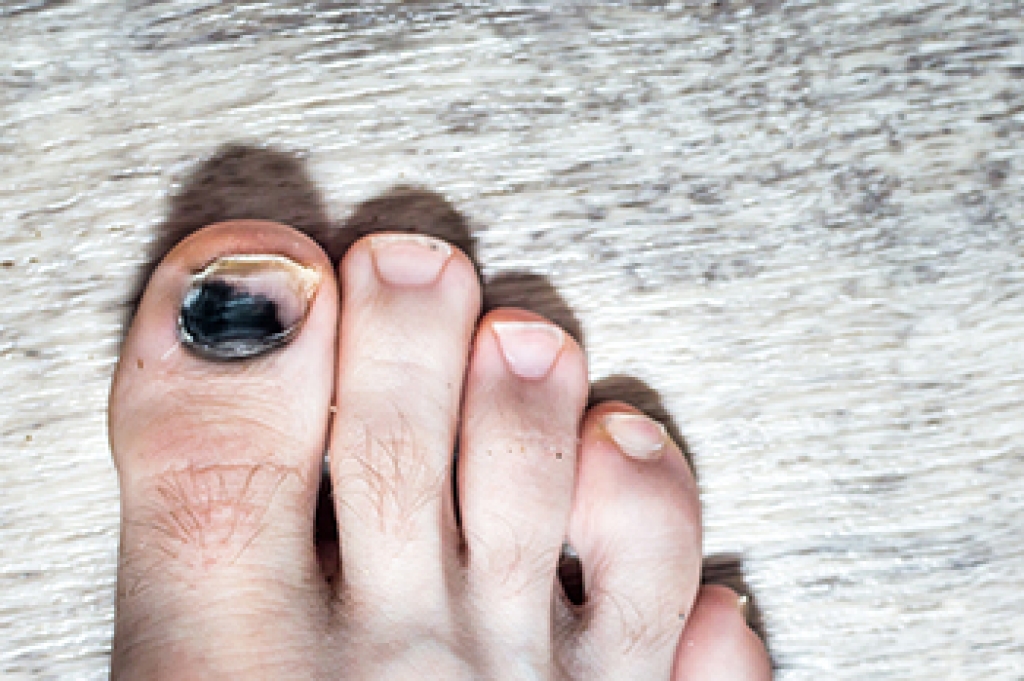
Preventing Toenail Issues While Running

Running can put significant stress on the feet, often leading to various toenail issues. Common toenail conditions caused from running include black toenails, ingrown toenails and fungal infections, in addition to thickened nails, and toenail trauma. Black toenails usually occur from repeated impact, causing blood to pool under the nail. Ingrown toenails develop when the edges of the toenail grow into the surrounding skin, often causing pain and infection. Fungal infections thrive in a warm, moist environment created by sweat, leading to discoloration and thickened nails. Toenail trauma can happen from wearing ill-fitting shoes or improper running form. Preventing these issues requires wearing properly fitting shoes with enough room for the toes to move freely. Regularly trimming toenails straight across can help avoid ingrown nails, while keeping feet dry and using antifungal treatments can reduce the risk of infections. Additionally, performing proper nail care and recovery time after long runs can help prevent toenail damage. If you have developed toe pain from running, it is suggested that you consult a podiatrist who can provide an accurate diagnosis and treatment.

All runners should take extra precaution when trying to avoid injury. If you have any concerns about your feet, contact one of our podiatrists of Dr. Jeffrey J. Betman & Associates . Our doctors will treat your foot and ankle needs.

How to Prevent Running Injuries

There are a lot of mistakes a runner can make prior to a workout that can induce injury. A lot of athletes tend to overstretch before running, instead of saving those workouts for a post-run routine. Deep lunges and hand-to-toe hamstring pulls should be performed after a workout instead of during a warmup. Another common mistake is jumping into an intense routine before your body is physically prepared for it. You should try to ease your way into long-distance running instead of forcing yourself to rush into it.

More Tips for Preventing Injury

  • Incorporate Strength Training into Workouts - This will help improve the body’s overall athleticism
  • Improve and Maintain Your Flexibility – Stretching everyday will help improve overall performance
  • “Warm Up” Before Running and “Cool Down” Afterward – A warm up of 5-10 minutes helps get rid of lactic acid in the muscles and prevents delayed muscle soreness
  • Cross-Training is Crucial
  • Wear Proper Running Shoes
  • Have a Formal Gait Analysis – Poor biomechanics can easily cause injury

If you have any questions, please feel free to contact our offices located in Northwest Chicago, Southwest Chicago, and Wicker Park, Chicago, IL . We offer the newest diagnostic and treatment technologies for all your foot care needs.

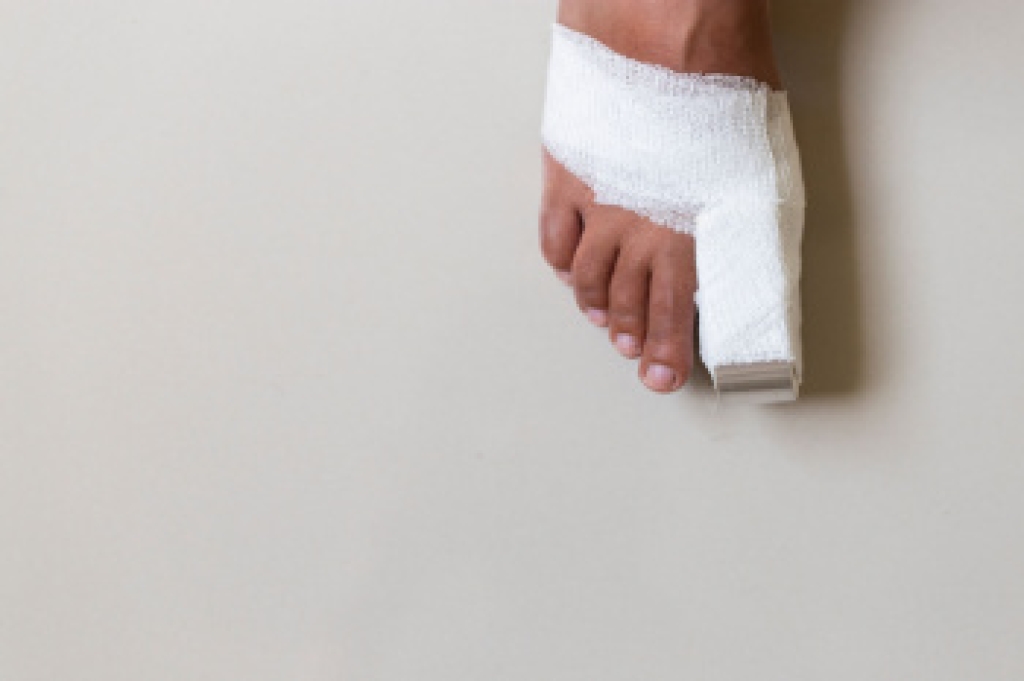
Read more about Preventing Running Injuries

Heel Pain in the Morning?

Heel pain can negatively affect your day-to-day life. Simple activities like walking can become incredibly uncomfortable or painful due to heel pain.

Don’t live with heel pain and get treated.

Should You Hike With a Broken Toe?

Hiking with a broken toe is generally not advisable, as it can make the injury worse and prolong recovery. The decision to hike depends on the severity of the break and the level of pain experienced. If the break is minor and the pain is manageable, it may be possible to engage in light walking or short hikes, but only with proper protection such as a stiff-soled shoe or a splint. However, if the pain is severe, the fracture is more significant, or the toe is misaligned, attempting to hike can cause further damage and increase swelling or bruising. For a stable recovery, it is important to limit weight-bearing activities. If hiking is essential, it is critical to assess the injury carefully. If you have broken your toe, it is suggested that you consult a podiatrist who can offer effective treatment solutions, and guide you on successful hiking with this type of injury, if warranted.

A broken toe can be very painful and lead to complications if not properly fixed. If you have any concerns about your feet, contact one of our podiatrists from Dr. Jeffrey J. Betman & Associates . Our doctors will treat your foot and ankle needs.

What to Know About a Broken Toe

Although most people try to avoid foot trauma such as banging, stubbing, or dropping heavy objects on their feet, the unfortunate fact is that it is a common occurrence. Given the fact that toes are positioned in front of the feet, they typically sustain the brunt of such trauma. When trauma occurs to a toe, the result can be a painful break (fracture).

Symptoms of a Broken Toe

  • Throbbing pain
  • Swelling
  • Bruising on the skin and toenail
  • The inability to move the toe
  • Toe appears crooked or disfigured
  • Tingling or numbness in the toe

Generally, it is best to stay off of the injured toe with the affected foot elevated.

Severe toe fractures may be treated with a splint, cast, and in some cases, minor surgery. Due to its position and the pressure it endures with daily activity, future complications can occur if the big toe is not properly treated.

If you have any questions, please feel free to contact our offices located in Northwest Chicago, Southwest Chicago, and Wicker Park, Chicago, IL . We offer the newest diagnostic and treatment technologies for all your foot care needs.
Read more about What to Know About a Broken Toe

What Are Bunions?

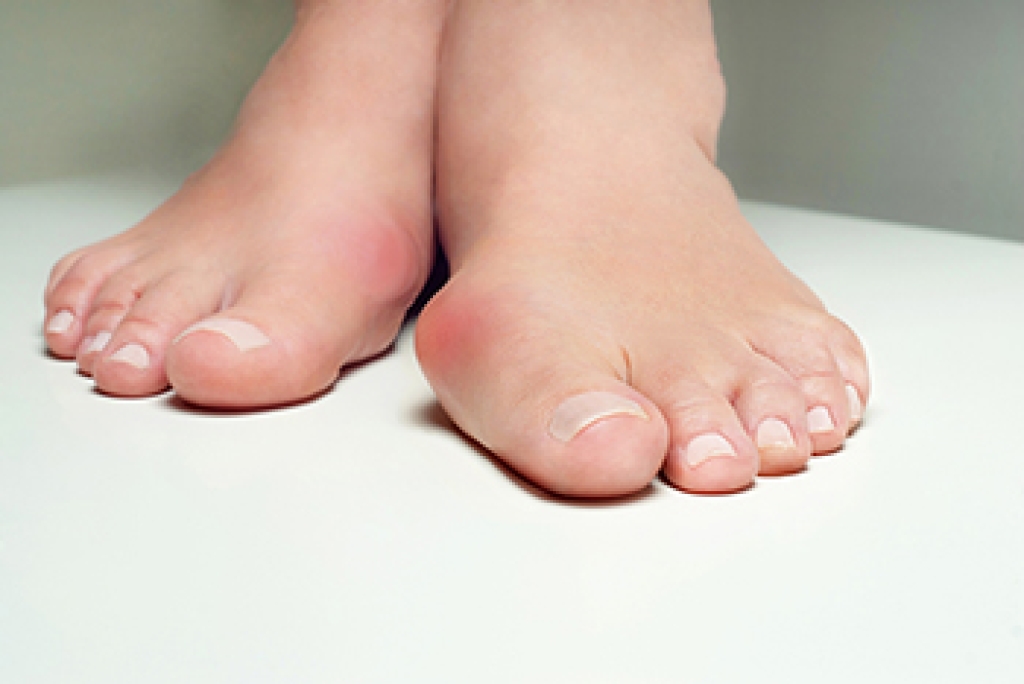
A bunion is a bony bump that forms at the base of the big toe, caused by the tip of the toe leaning toward the second toe. This condition often results in pain, swelling, and redness surrounding the joint. Over time, bunions can make walking or wearing shoes uncomfortable, especially if the bump rubs against the inside of the shoe. The main cause of bunions is genetics, but they can also develop due to wearing tight or ill-fitting shoes, arthritis, or abnormal foot mechanics. The pressure on the big toe joint leads to misalignment and the growth of the bony bump. Treatment options for bunions include wearing wider shoes, using bunion pads, and doing foot exercises to improve flexibility. In more severe cases, a podiatrist might recommend custom orthotics or even surgery to correct the deformity. If you have developed a bunion, it is suggested that you schedule an appointment with a podiatrist.

If you are suffering from bunions, contact one of our podiatrists of Dr. Jeffrey J. Betman & Associates . Our doctors can provide the care you need to keep you pain-free and on your feet.

What Is a Bunion?

A bunion is formed of swollen tissue or an enlargement of boney growth, usually located at the base joint of the toe that connects to the foot. The swelling occurs due to the bones in the big toe shifting inward, which impacts the other toes of the foot. This causes the area around the base of the big toe to become inflamed and painful.

Why Do Bunions Form?

Genetics – Susceptibility to bunions are often hereditary

Stress on the feet – Poorly fitted and uncomfortable footwear that places stress on feet, such as heels, can worsen existing bunions

How Are Bunions Diagnosed?

Podiatrists often perform two tests – blood tests and x-rays – when trying to diagnose bunions, especially in the early stages of development. Blood tests help determine if the foot pain is being caused by something else, such as arthritis, while x-rays provide a clear picture of your bone structure to your provider.

How Are Bunions Treated?

  • Refrain from wearing heels or similar shoes that cause discomfort
  • Select wider shoes that can provide more comfort and reduce pain
  • Anti-inflammatory and pain management drugs
  • Orthotics or foot inserts
  • Surgery

If you have any questions, please feel free to contact our offices located in Northwest Chicago, Southwest Chicago, and Wicker Park, Chicago, IL . We offer the newest diagnostic and treatment technologies for all your foot care needs.
Read more about What Are Bunions?

Diabetic Foot Care and Steps to Stay Healthy

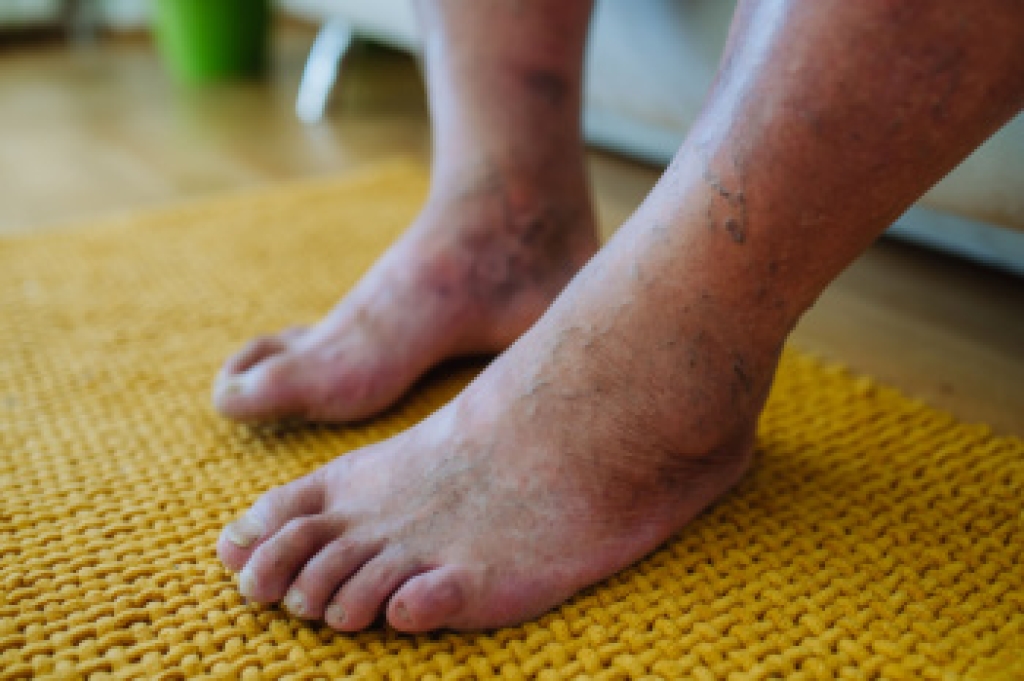
Diabetes is a chronic condition affecting how the body processes blood sugar, leading to potential nerve damage and poor circulation. These complications can significantly impact the feet, causing numbness, slow-healing wounds, and infections that may progress to serious issues if untreated. To avoid foot problems, diabetic patients should prioritize daily foot care. Inspect feet for cuts, blisters, redness, or swelling, as reduced sensation might mask injuries. Keep feet clean and moisturized, but avoid applying lotion between toes to prevent fungal infections. Wearing properly fitted shoes is another vital prevention technique. Ill-fitting footwear can cause pressure points and sores, so choose supportive, breathable shoes designed for diabetic foot care. If you have diabetes, regular visits to a podiatrist are suggested. They can treat existing issues, monitor foot health, and provide guidance on preventive measures to keep your feet healthy and active.

Diabetic foot care is important in preventing foot ailments such as ulcers. If you are suffering from diabetes or have any other concerns about your feet, contact one of our podiatrists from Dr. Jeffrey J. Betman & Associates . Our doctors can provide the care you need to keep you pain-free and on your feet.

Diabetic Foot Care

Diabetes affects millions of people every year. The condition can damage blood vessels in many parts of the body, especially the feet. Because of this, taking care of your feet is essential if you have diabetes, and having a podiatrist help monitor your foot health is highly recommended.

The Importance of Caring for Your Feet

  • Routinely inspect your feet for bruises or sores.
  • Wear socks that fit your feet comfortably.
  • Wear comfortable shoes that provide adequate support.

Patients with diabetes should have their doctor monitor their blood levels, as blood sugar levels play such a huge role in diabetic care. Monitoring these levels on a regular basis is highly advised.

It is always best to inform your healthcare professional of any concerns you may have regarding your feet, especially for diabetic patients. Early treatment and routine foot examinations are keys to maintaining proper health, especially because severe complications can arise if proper treatment is not applied.

If you have any questions, please feel free to contact our offices located in Northwest Chicago, Southwest Chicago, and Wicker Park, Chicago, IL . We offer the newest diagnostic and treatment technologies for all your foot care needs.

Read more about Diabetic Foot Conditions

Connect With Us