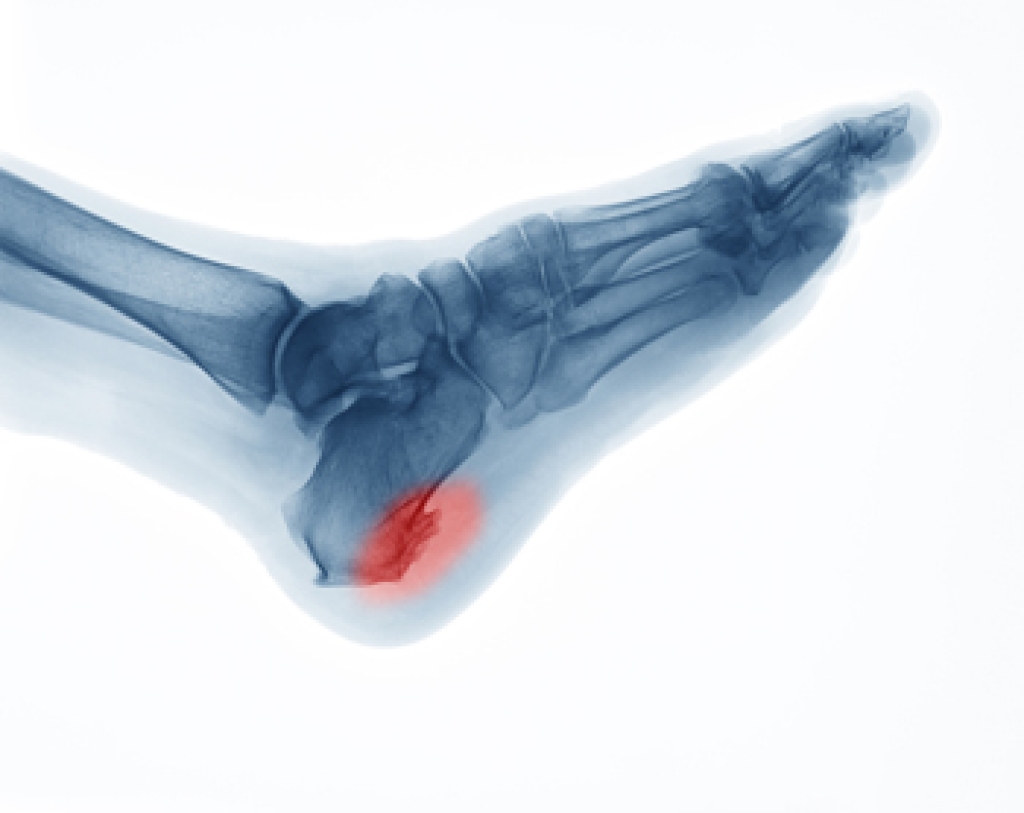
Heel Spurs May or May Not Cause Pain

Heel spurs are small, bony growths on the heel of the foot. A spur may grow when the plantar fascia ligament that connects the heel bones to the toe bones become inflamed. The inflammation from a heel spur might cause discomfort or not. If it does hurt, there will be pain or tenderness over the weight-bearing part of the bottom of the heel. A bump can sometimes be felt when the area is touched. A spur will not be treated unless other conditions caused by inflammation causing the pain are non-existent. For example, plantar fasciitis may be the main source of pain, and that condition will be treated and the bone spur left alone. If you have a bone spur and pain, see a podiatrist to find out the source of pain so you can receive appropriate treatment options.

Heel spurs can be incredibly painful and sometimes may make you unable to participate in physical activities. To get medical care for your heel spurs, contact one of our podiatrists from Dr. Jeffrey J. Betman & Associates . Our doctors will do everything possible to treat your condition.

Heels Spurs

Heel spurs are formed by calcium deposits on the back of the foot where the heel is. This can also be caused by small fragments of bone breaking off one section of the foot, attaching onto the back of the foot. Heel spurs can also be bone growth on the back of the foot and may grow in the direction of the arch of the foot.

Older individuals usually suffer from heel spurs and pain sometimes intensifies with age. One of the main condition's spurs are related to is plantar fasciitis.

Pain

The pain associated with spurs is often because of weight placed on the feet. When someone is walking, their entire weight is concentrated on the feet. Bone spurs then have the tendency to affect other bones and tissues around the foot. As the pain continues, the feet will become tender and sensitive over time.

Treatments

There are many ways to treat heel spurs. If one is suffering from heel spurs in conjunction with pain, there are several methods for healing. Medication, surgery, and herbal care are some options.

If you have any questions, please feel free to contact our offices located in Northwest Chicago, Southwest Chicago, and Wicker Park, Chicago, IL . We offer the newest diagnostic and treatment technologies for all your foot care needs.

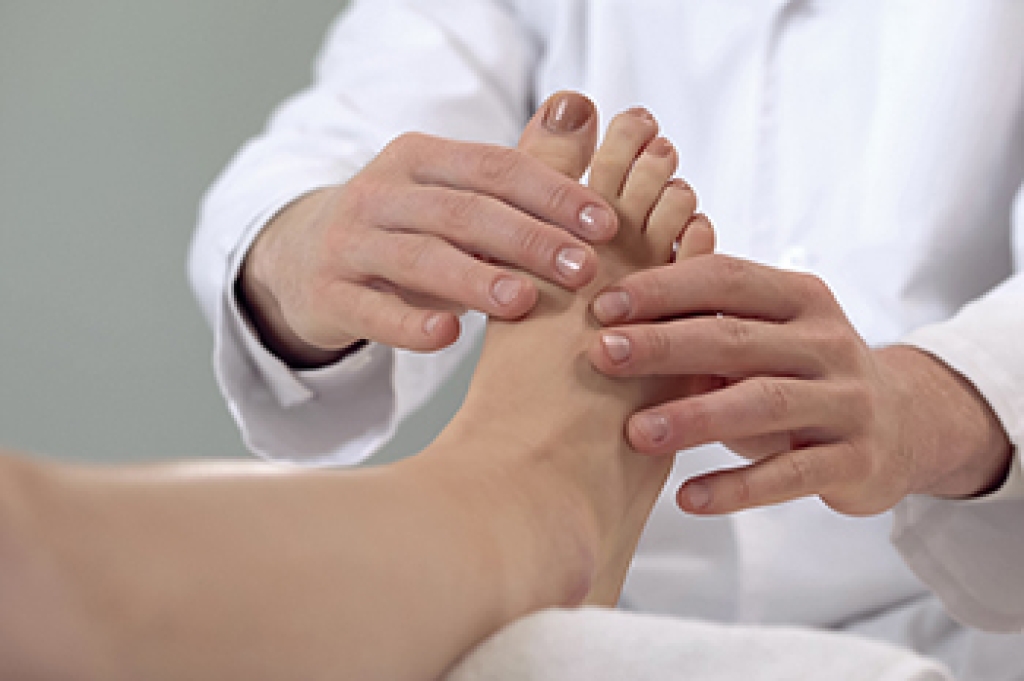
Read more about Heel Spurs

What Can Cause Gout?

The foot condition that is known as gout is a form of arthritis that affects millions of Americans. It is caused by excess uric acid in the blood, and can happen from genetic reasons, or from eating foods that have high levels of purines. These include shellfish, red meat, or drinks that are made with large amounts of sugar. The pain comes from crystals that lodge in the joints of the big toe, and can cause extreme difficulty in completing daily activities. In severe cases, many patients report they must crawl up the steps as a result of the debilitating pain, and often require immediate medical attention. Additional symptoms of gout can consist of redness and swelling surrounding the affected joints, and there may be large lumps under the skin that are referred to as tophi. These are typically painless, and may develop into chronic bouts of gout if left untreated. Gout is a painful foot condition, and it is strongly suggested that you consult with a podiatrist if you have the beginning signs of joint pain in the big toe. 

Gout is a foot condition that requires certain treatment and care. If you are seeking treatment, contact one of our podiatrists from Dr. Jeffrey J. Betman & Associates . Our doctors will treat your foot and ankle needs.

What Is Gout?

Gout is a type of arthritis caused by a buildup of uric acid in the bloodstream. It often develops in the foot, especially the big toe area, although it can manifest in other parts of the body as well. Gout can make walking and standing very painful and is especially common in diabetics and the obese.

People typically get gout because of a poor diet. Genetic predisposition is also a factor. The children of parents who have had gout frequently have a chance of developing it themselves.

Gout can easily be identified by redness and inflammation of the big toe and the surrounding areas of the foot. Other symptoms include extreme fatigue, joint pain, and running high fevers. Sometimes corticosteroid drugs can be prescribed to treat gout, but the best way to combat this disease is to get more exercise and eat a better diet.

If you have any questions, please feel free to contact our offices located in Northwest Chicago, Southwest Chicago, and Wicker Park, Chicago, IL . We offer the newest diagnostic and treatment technologies for all your foot care needs.
Read more about Everything You Need to Know About Gout

How Is Plantar Fasciitis Treated?

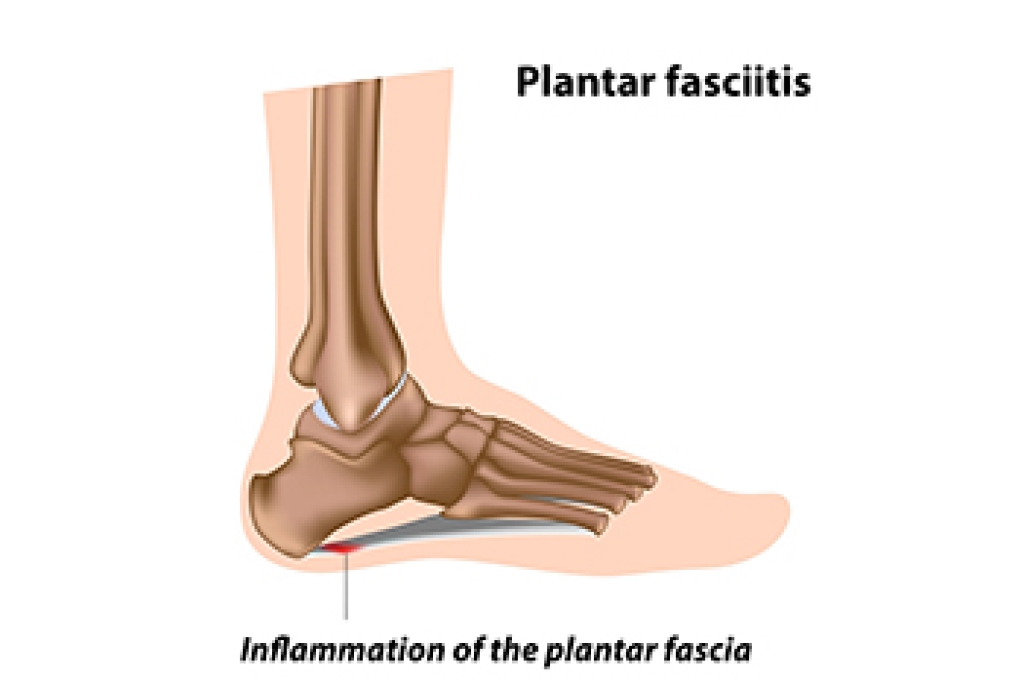
Plantar fasciitis is a common condition that causes heel pain. When the fascia, or band of tissue connecting the heel to the toes, becomes irritated or inflamed, it can cause pain in the heel. This condition is usually most painful when walking after sleeping or being off one’s feet for a lengthy time. Plantar fasciitis usually occurs because of poor weight distribution in the foot or after excessive and prolonged use. It is most apt to happen to those who run long distances or spend a lot of time on their feet. Risk factors include tight calf muscles, advanced age, poor arch support, being overweight, or wearing footwear that lacks proper support. One can try to relieve discomfort by staying off of their feet, icing the affected area, stretching the foot and calf, and wearing comfortable, supportive shoes and insoles. Compression socks might also be helpful. If you think you are suffering from plantar fasciitis, consult with a podiatrist who can ensure a proper diagnosis and provide effective treatment.

Plantar fasciitis can be very painful and inconvenient. If you are experiencing heel pain or symptoms of plantar fasciitis, contact one of our podiatrists  from Dr. Jeffrey J. Betman & Associates . Our doctors can provide the care you need to keep you pain-free and on your feet.

What Is Plantar Fasciitis?

Plantar fasciitis is the inflammation of the thick band of tissue that runs along the bottom of your foot, known as the plantar fascia, and causes mild to severe heel pain.

What Causes Plantar Fasciitis?

  • Excessive running
  • Non-supportive shoes
  • Overpronation
  • Repeated stretching and tearing of the plantar fascia

How Can It Be Treated?

  • Conservative measures – anti-inflammatories, ice packs, stretching exercises, physical therapy, orthotic devices
  • Shockwave therapy – sound waves are sent to the affected area to facilitate healing and are usually used for chronic cases of plantar fasciitis
  • Surgery – usually only used as a last resort when all else fails. The plantar fascia can be surgically detached from the heel

While very treatable, plantar fasciitis is definitely not something that should be ignored. Especially in severe cases, speaking to your doctor right away is highly recommended to avoid complications and severe heel pain. Your podiatrist can work with you to provide the appropriate treatment options tailored to your condition.

If you have any questions, please feel free to contact our offices located in Northwest Chicago, Southwest Chicago, and Wicker Park, Chicago, IL . We offer the newest diagnostic and treatment technologies for all your foot care needs.

Read more about Plantar Fasciitis

Corns and Calluses on the Feet of Athletes

Corns and calluses result from too much pressure on an area of the foot. Though they can occur in anyone, athletes are more prone to get them because the pressure on their feet is higher. Reasons for the development of corns and calluses can come from shoes if a deformity, such as bunion or hammertoe is present and rubs against the shoes. If the pressure is higher under the ball of the foot, it may be due to a prominent metatarsal head. Thickened skin of a corn or callus can be removed and provide relief from pain, but the only way to get rid of these symptoms permanently or prevent them from coming back is to remove what caused them in the first place. For example, if a corn develops from a hammertoe, fixing the hammertoe will get rid of the pressure and the corn will not come back. If you suffer from corns or calluses, see a podiatrist for help in figuring out what to do to remove the cause so these are no longer a problem for you.

Sports related foot and ankle injuries require proper treatment before players can go back to their regular routines. For more information, contact one of our podiatrists of Dr. Jeffrey J. Betman & Associates . Our doctors can provide the care you need to keep you pain-free and on your feet.

Sports Related Foot and Ankle Injuries

Foot and ankle injuries are a common occurrence when it comes to athletes of any sport. While many athletes dismiss the initial aches and pains, the truth is that ignoring potential foot and ankle injuries can lead to serious problems. As athletes continue to place pressure and strain the area further, a mild injury can turn into something as serious as a rupture and may lead to a permanent disability. There are many factors that contribute to sports related foot and ankle injuries, which include failure to warm up properly, not providing support or wearing bad footwear. Common injuries and conditions athletes face, including:

  • Plantar Fasciitis
  • Achilles Tendinitis
  • Achilles Tendon Rupture
  • Ankle Sprains

Sports related injuries are commonly treated using the RICE method. This includes rest, applying ice to the injured area, compression and elevating the ankle. More serious sprains and injuries may require surgery, which could include arthroscopic and reconstructive surgery. Rehabilitation and therapy may also be required in order to get any recovering athlete to become fully functional again. Any unusual aches and pains an athlete sustains must be evaluated by a licensed, reputable medical professional.

If you have any questions please contact our offices located in Northwest Chicago, Southwest Chicago, and Wicker Park, Chicago, IL . We offer the newest diagnostic and treatment technologies for all your foot and ankle needs.

Read more about Sports Related Foot And Ankle Injuries

Connect With Us