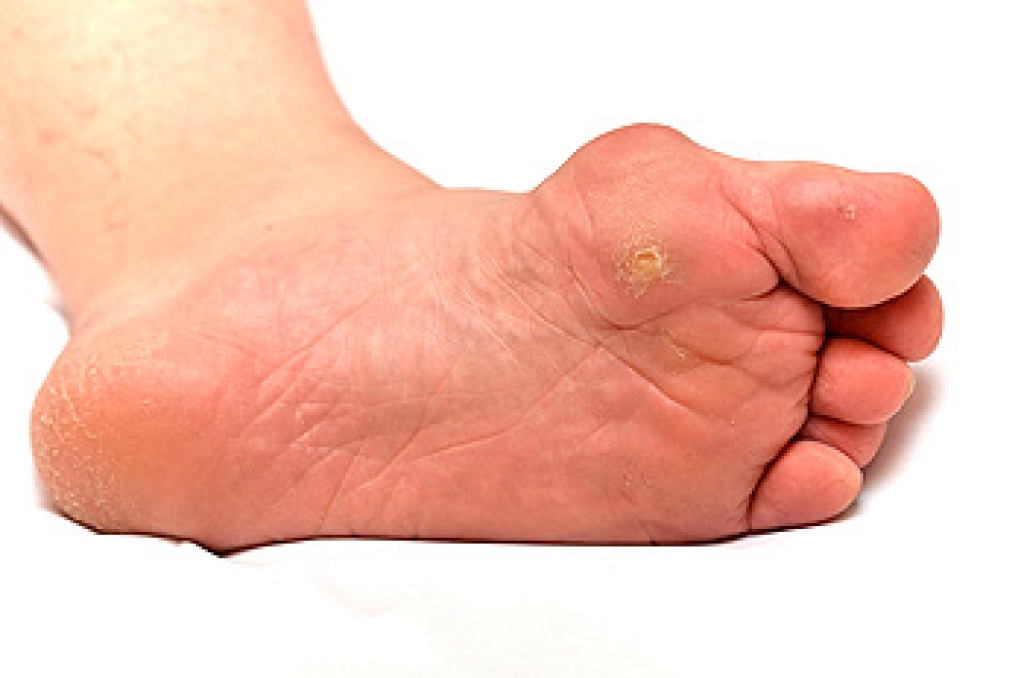
Identifying and Treating Seed Corns

Seed corns, medically known as heloma miliare, are small, well-defined areas of thickened skin that typically form on the soles of the feet. These hard, circular spots are often caused by friction, pressure, or dry skin, and they may appear in clusters. Seed corns are distinct from calluses and plantar warts. Calluses are larger and irregularly shaped, while plantar warts disrupt the skin's natural lines and may include tiny dark dots. Though seed corns are typically painless, they can cause some discomfort, especially in weight-bearing areas of the foot. A podiatrist can diagnose seed corns through a foot examination and distinguish them from other conditions. Treatment includes safely trimming the thickened skin to reduce discomfort, as well as addressing underlying factors like wearing ill-fitting shoes or excessive pressure. Podiatrists also provide guidance on preventive measures, such as selecting proper footwear and using orthotic devices to minimize friction. If you have a problematic corn on your foot, it is suggested that you visit a podiatrist for guidance.

If you have any concerns regarding your feet and ankles, contact one of our podiatrists of Dr. Jeffrey J. Betman & Associates . Our doctors will treat your foot and ankle needs.

Corns: What Are They? and How Do You Get Rid of Them?
Corns can be described as areas of the skin that have thickened to the point of becoming painful or irritating. They are often layers and layers of the skin that have become dry and rough, and are normally smaller than calluses.

Ways to Prevent Corns
There are many ways to get rid of painful corns such as wearing:

  • Well-fitting socks
  • Comfortable shoes that are not tight around your foot
  • Shoes that offer support

Treating Corns
Treatment of corns involves removing the dead skin that has built up in the specific area of the foot. Consult with Our doctors to determine the best treatment option for your case of corns.

If you have any questions, please feel free to contact our offices located in Northwest Chicago, Southwest Chicago, and Wicker Park, Chicago, IL . We offer the newest diagnostic and treatment technologies for all your foot care needs.


Read more about Understanding Corns and Calluses

Neuropathic Pain in Athletes

Neuropathic pain in athletes can stem from nerve damage or dysfunction in the feet and lower limbs, often presenting as burning, tingling, or shooting pain. Causes may include repetitive stress, direct trauma, or conditions like tarsal tunnel syndrome, where nerves are compressed. Diabetes, vitamin deficiencies, and excessive alcohol use can also increase the risk of nerve damage, although athletes may overlook these factors due to otherwise healthy lifestyles. The hidden dangers of neuropathic pain lie in its potential to impair performance, affect the feet, cause gait changes, and worsen with time if left untreated. Athletes may alter their stride to minimize discomfort which can lead to further injuries in the knees, hips, or back. If you are an athlete with neuropathic pain, it is suggested you consult a podiatrist who can help diagnose the root cause, assess nerve function, and create a treatment plan specific to you.

Neuropathy

Neuropathy can be a potentially serious condition, especially if it is left undiagnosed. If you have any concerns that you may be experiencing nerve loss in your feet, consult with one of our podiatrists from Dr. Jeffrey J. Betman & Associates . Our doctors will assess your condition and provide you with quality foot and ankle treatment for neuropathy.

What Is Neuropathy?

Neuropathy is a condition that leads to damage to the nerves in the body. Peripheral neuropathy, or neuropathy that affects your peripheral nervous system, usually occurs in the feet. Neuropathy can be triggered by a number of different causes. Such causes include diabetes, infections, cancers, disorders, and toxic substances.

Symptoms of Neuropathy Include:

  • Numbness
  • Sensation loss
  • Prickling and tingling sensations
  • Throbbing, freezing, burning pains
  • Muscle weakness

Those with diabetes are at serious risk due to being unable to feel an ulcer on their feet. Diabetics usually also suffer from poor blood circulation. This can lead to the wound not healing, infections occurring, and the limb may have to be amputated.

Treatment

To treat neuropathy in the foot, podiatrists will first diagnose the cause of the neuropathy. Figuring out the underlying cause of the neuropathy will allow the podiatrist to prescribe the best treatment, whether it be caused by diabetes, toxic substance exposure, infection, etc. If the nerve has not died, then it’s possible that sensation may be able to return to the foot.

Pain medication may be issued for pain. Electrical nerve stimulation can be used to stimulate nerves. If the neuropathy is caused from pressure on the nerves, then surgery may be necessary.

If you have any questions, please feel free to contact our offices located in Northwest Chicago, Southwest Chicago, and Wicker Park, Chicago, IL . We offer the newest diagnostic and treatment technologies for all your foot care needs.

Read more about Neuropathy

Relief and Prevention Methods for Ingrown Toenails

An ingrown toenail occurs when the edge of a toenail grows into the surrounding skin, causing pain, redness, and sometimes infection. This condition typically affects the big toe and can be caused by wearing improper footwear, a toenail injury, or genetic factors. A podiatrist can accurately evaluate the the severity of the ingrown toenail, and will treat it accordingly to avoid further irritation and to manage any existing infection. To prevent ingrown toenails, it is essential to trim nails straight across, avoid cutting them too short, and wear properly fitting shoes that do not put pressure on the toes.  If you have developed this condition, it is suggested that you promptly schedule an appointment with a podiatrist who can effectively treat ingrown toenails, which may include minor surgery.

Ingrown toenails may initially present themselves as a minor discomfort, but they may progress into an infection in the skin without proper treatment. For more information about ingrown toenails, contact one of our podiatrists of Dr. Jeffrey J. Betman & Associates . Our doctors can provide the care you need to keep you pain-free and on your feet.

Ingrown Toenails

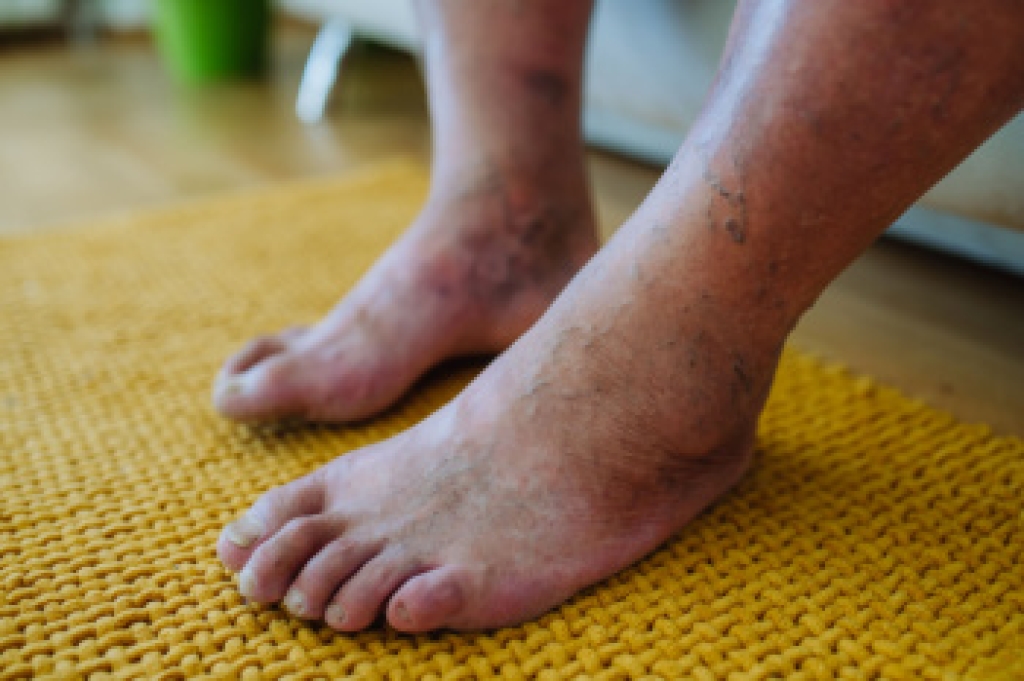
Ingrown toenails are caused when the corner or side of a toenail grows into the soft flesh surrounding it. They often result in redness, swelling, pain, and in some cases, infection. This condition typically affects the big toe and may recur if it is not treated properly.

Causes

  • Improper toenail trimming
  • Genetics
  • Improper shoe fitting
  • Injury from pedicures or nail picking
  • Abnormal gait
  • Poor hygiene

You are more likely to develop an ingrown toenail if you are obese, have diabetes, arthritis, or have any fungal infection in your nails. Additionally, people who have foot or toe deformities are at a higher risk of developing an ingrown toenail.

Symptoms

Some symptoms of ingrown toenails are redness, swelling, and pain. In rare cases, there may be a yellowish drainage coming from the nail.

Treatment

Ignoring an ingrown toenail can have serious complications. Infections of the nail border can progress to a deeper soft-tissue infection, which can then turn into a bone infection. You should always speak with your podiatrist if you suspect you have an ingrown toenail, especially if you have diabetes or poor circulation.

If you have any questions, please feel free to contact our offices located in Northwest Chicago, Southwest Chicago, and Wicker Park, Chicago, IL . We offer the newest diagnostic and treatment technologies for all your foot care needs.
Read more about Ingrown Toenails

Saving Limbs With Diabetic Foot Care

Poor diabetic foot care can lead to serious complications, including infections, ulcers, and even amputations. Individuals with diabetes often experience reduced blood flow and nerve damage, which can mask injuries and make it difficult to detect problems early. When wounds are left untreated, they can quickly become infected, leading to more severe health issues. Proper diabetic foot care is essential in preventing these complications and can significantly reduce the risk of limb loss. Regularly inspecting the feet for cuts, blisters, or changes in color, along with maintaining good hygiene and wearing appropriate footwear, can help identify potential problems early. If you have diabetes, it is strongly suggested that you are under the care of a podiatrist who can help you to manage this serious condition.

Diabetic foot care is important in preventing foot ailments such as ulcers. If you are suffering from diabetes or have any other concerns about your feet, contact one of our podiatrists from Dr. Jeffrey J. Betman & Associates . Our doctors can provide the care you need to keep you pain-free and on your feet.

Diabetic Foot Care

Diabetes affects millions of people every year. The condition can damage blood vessels in many parts of the body, especially the feet. Because of this, taking care of your feet is essential if you have diabetes, and having a podiatrist help monitor your foot health is highly recommended.

The Importance of Caring for Your Feet

  • Routinely inspect your feet for bruises or sores.
  • Wear socks that fit your feet comfortably.
  • Wear comfortable shoes that provide adequate support.

Patients with diabetes should have their doctor monitor their blood levels, as blood sugar levels play such a huge role in diabetic care. Monitoring these levels on a regular basis is highly advised.

It is always best to inform your healthcare professional of any concerns you may have regarding your feet, especially for diabetic patients. Early treatment and routine foot examinations are keys to maintaining proper health, especially because severe complications can arise if proper treatment is not applied.

If you have any questions, please feel free to contact our offices located in Northwest Chicago, Southwest Chicago, and Wicker Park, Chicago, IL . We offer the newest diagnostic and treatment technologies for all your foot care needs.

Read more about Diabetic Foot Conditions

Connect With Us