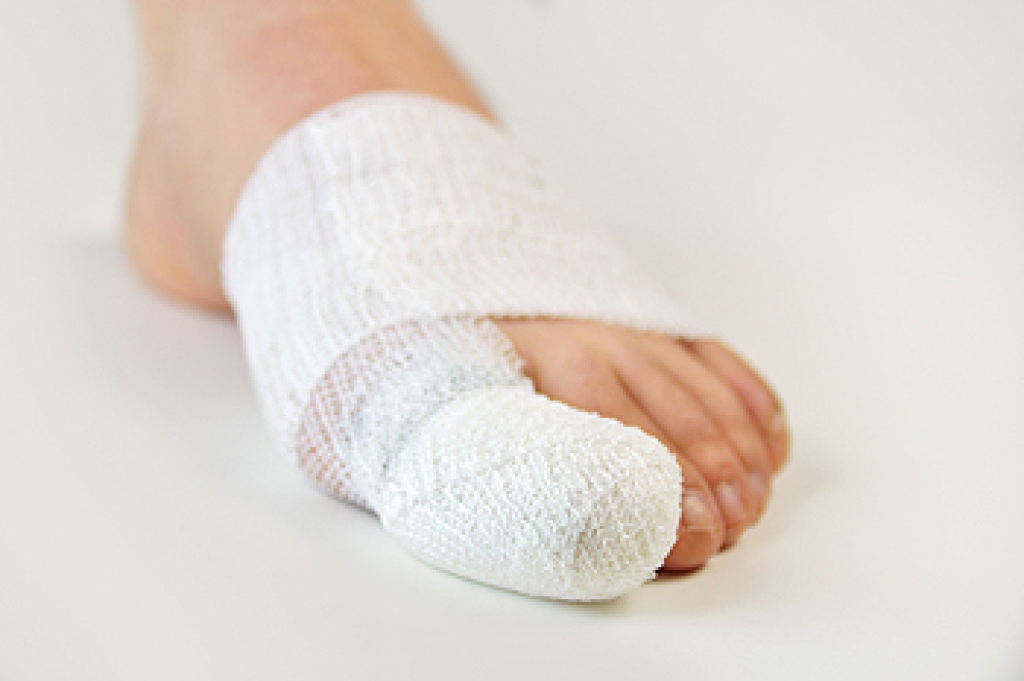
Treatment Options for a Broken Toe

Usually, a broken toe is not a serious foot condition, despite the fact it can cause severe pain and discomfort. Common ways to break a toe include jamming it against a piece of furniture or dropping a heavy object on it. Many patients notice immediate pain, bruising and swelling, and the affected toe is often difficult to move. In severe fractures, the toe may protrude at an uncomfortable angle, and may require an aggressive form of treatment. The bone may need to be moved back into place, and this is referred to as reduction. Relief may be found when the broken toe is taped to the toe next to it, which can provide the stability that is necessary as the healing process occurs. This method, referred to as buddy taping, is fairly easy to accomplish. Surgery may be a viable treatment option if the break is severe, in addition to possible wearing a cast that can provide added support. If you have broken a toe, you may with to visit a podiatrist for a complete examination and treatment options.

A broken toe can be very painful and lead to complications if not properly fixed. If you have any concerns about your feet, contact one of our podiatrists from Dr. Jeffrey J. Betman & Associates . Our doctors will treat your foot and ankle needs.

What to Know About a Broken Toe

Although most people try to avoid foot trauma such as banging, stubbing, or dropping heavy objects on their feet, the unfortunate fact is that it is a common occurrence. Given the fact that toes are positioned in front of the feet, they typically sustain the brunt of such trauma. When trauma occurs to a toe, the result can be a painful break (fracture).

Symptoms of a Broken Toe

  • Throbbing pain
  • Swelling
  • Bruising on the skin and toenail
  • The inability to move the toe
  • Toe appears crooked or disfigured
  • Tingling or numbness in the toe

Generally, it is best to stay off of the injured toe with the affected foot elevated.

Severe toe fractures may be treated with a splint, cast, and in some cases, minor surgery. Due to its position and the pressure it endures with daily activity, future complications can occur if the big toe is not properly treated.

If you have any questions, please feel free to contact our offices located in Northwest Chicago, Southwest Chicago, and Wicker Park, Chicago, IL . We offer the newest diagnostic and treatment technologies for all your foot care needs.
Read more about What to Know About a Broken Toe

Where Heel Pain Occurs May Provide Clues to Its Cause

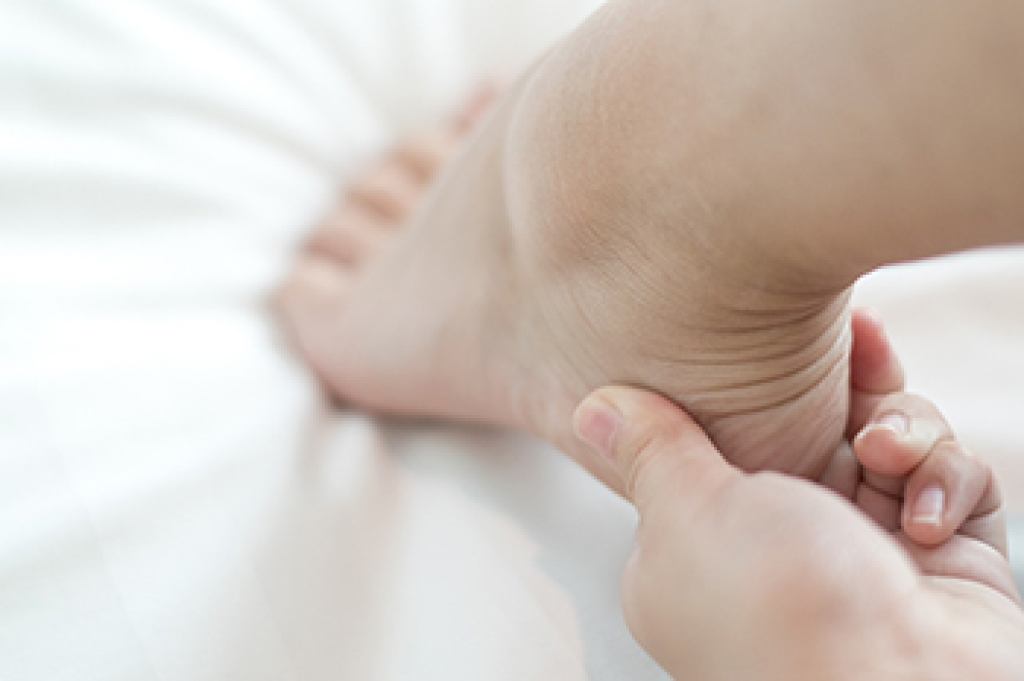
Heel pain can be caused by a variety of conditions, with the most common being plantar fasciitis: an inflammation of the plantar fasciitis tissue on the bottom of the foot. Identifying where the pain is specifically located in the heel can sometimes help your podiatrist diagnose your condition. For instance, plantar fasciitis usually causes pain in the bottom/middle of the heel which is at its worst when you first wake up in the morning. Other conditions, such as heel stress fractures, nerve issues, or heel pad atrophy can also cause pain on the bottom of the heel. Pain in the back of the heel may be caused by problems with your Achilles tendon, which connects the heel bone to the calf muscles. These conditions include Achilles tendinopathy/tendinitis, which is usually an overuse injury to the tendon, Haglund’s deformity, which produces a bump at the back of the heel due to shoes exerting pressure on the tendon, and Sever’s disease, which is due to stress on the heel’s growth plate in growing children. Pain in the middle of the heel can sometimes be caused by an entrapped nerve in the ankle (tarsal tunnel syndrome). Sinus tarsi syndrome, typically due to flat feet or following an ankle sprain, can cause pain in the middle/side portion of the heel. Any type of heel pain should be examined by a podiatrist to receive proper diagnosis and treatment.

Many people suffer from bouts of heel pain. For more information, contact one of our podiatrists of Dr. Jeffrey J. Betman & Associates . Our doctors can provide the care you need to keep you pain-free and on your feet.

Causes of Heel Pain

Heel pain is often associated with plantar fasciitis. The plantar fascia is a band of tissues that extends along the bottom of the foot. A rip or tear in this ligament can cause inflammation of the tissue.

Achilles tendonitis is another cause of heel pain. Inflammation of the Achilles tendon will cause pain from fractures and muscle tearing. Lack of flexibility is also another symptom.

Heel spurs are another cause of pain. When the tissues of the plantar fascia undergo a great deal of stress, it can lead to ligament separation from the heel bone, causing heel spurs.

Why Might Heel Pain Occur?

  • Wearing ill-fitting shoes                
  • Wearing non-supportive shoes
  • Weight change           
  • Excessive running

Treatments

Heel pain should be treated as soon as possible for immediate results. Keeping your feet in a stress-free environment will help. If you suffer from Achilles tendonitis or plantar fasciitis, applying ice will reduce the swelling. Stretching before an exercise like running will help the muscles. Using all these tips will help make heel pain a condition of the past.

If you have any questions, please feel free to contact our offices located in Northwest Chicago, Southwest Chicago, and Wicker Park, Chicago, IL . We offer the newest diagnostic and treatment technologies for all your foot care needs.

Read more about Heel Pain

When Do I Need Orthotics?

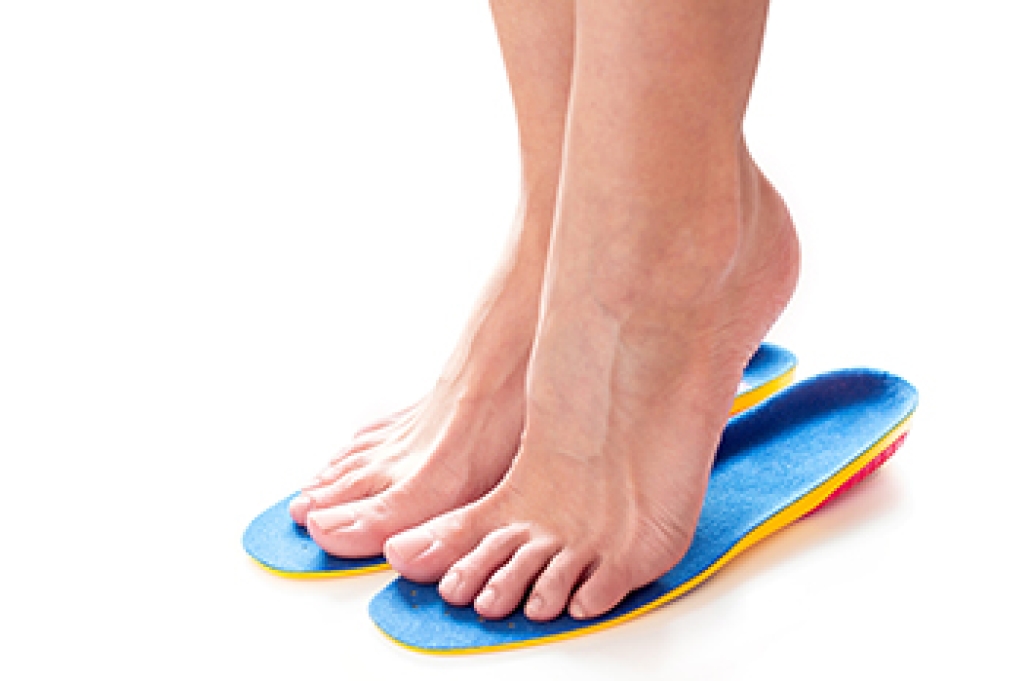
Orthotics, or inserts that fit into your shoes, come in all shapes and sizes. Some are available over the counter, and others may need to be prescribed and made specifically for your foot. Leading indicators that orthotics may be a necessity in your life include corns or calluses, tendonitis, recurring ankle sprains, heel pain, and even knee, hip and lower back pain. The type of orthotic you use depends on the part, or parts, of your body that are affected. Some orthotics work to correct your posture, others to cushion pressure spots, and others to correct a specific problem with your gait or weight distribution. If you think you may need help with choosing an orthotic device, it’s a good idea to consult a podiatrist who can examine your feet, gait, and posture in order to suggest the appropriate treatment for your feet.

If you are having discomfort in your feet and would like to try orthotics, contact one of our podiatrists from Dr. Jeffrey J. Betman & Associates . Our doctors can provide the care you need to keep you pain-free and on your feet.

What Are Orthotics?

Orthotics are inserts you can place into your shoes to help with a variety of foot problems such as flat feet or foot pain. Orthotics provide relief and comfort for minor foot and heel pain but can’t correct serious biomechanical problems in your feet.

Over-the-Counter Inserts

Orthotics come in a wide variety of over-the-counter inserts that are used to treat foot pain, heel pain, and minor problems. For example, arch supports can be inserted into your shoes to help correct overarched or flat feet, while gel insoles are often used because they provide comfort and relief from foot and heel pain by alleviating pressure.

Prescription Orthotics

If over-the-counter inserts don’t work for you or if you have a more severe foot concern, it is possible to have your podiatrist prescribe custom orthotics. These high-quality inserts are designed to treat problems such as abnormal motion, plantar fasciitis, and severe forms of heel pain. They can even be used to help patients suffering from diabetes by treating foot ulcers and painful calluses and are usually molded to your feet individually, which allows them to provide full support and comfort.

If you are experiencing minor to severe foot or heel pain, it’s recommended to speak with your podiatrist about the possibilities of using orthotics. A podiatrist can determine which type of orthotic is right for you and allow you to take the first steps towards being pain-free.

If you have any questions, please feel free to contact our offices located in Northwest Chicago, Southwest Chicago, and Wicker Park, Chicago, IL . We offer the newest diagnostic and treatment technologies for all your foot care needs.

Read more about Ankle Foot Orthotics for Athletes

Connect With Us