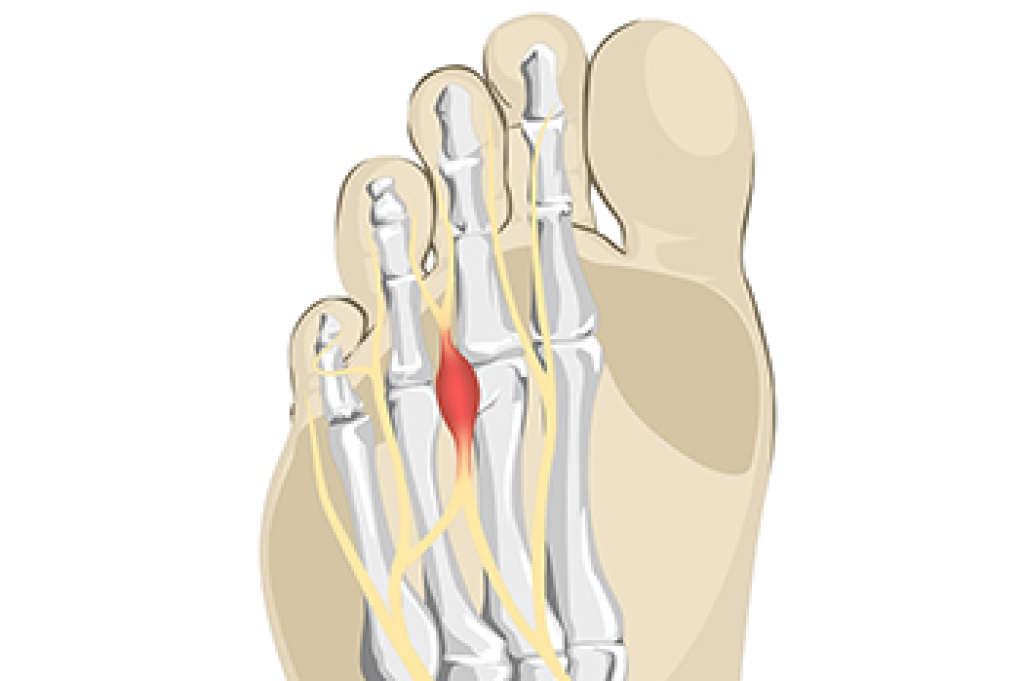
Definition and Symptoms of Morton’s Neuroma

Morton's neuroma is a painful condition affecting the ball of the foot, commonly between the third and fourth toes. It occurs when the tissue surrounding one of the nerves leading to the toes thickens, causing sharp, burning pain in the ball of the foot. Symptoms often include a sensation of standing on a pebble, tingling, or numbness in the toes. The pain may worsen with activities like walking or wearing tight shoes. Patients often describe a feeling of something being caught in the shoe or a persistent discomfort in the forefoot. Identifying and addressing these symptoms early can help manage the condition and prevent further complications. If you are experiencing any of the above sensations, it is suggested that you confer with a podiatrist who can diagnose and treat Morton’s neuroma.

Morton’s neuroma is a very uncomfortable condition to live with. If you think you have Morton’s neuroma, contact one of our podiatrists of Dr. Jeffrey J. Betman & Associates . Our doctors will attend to all of your foot care needs and answer any of your related questions.  

Morton’s Neuroma

Morton's neuroma is a painful foot condition that commonly affects the areas between the second and third or third and fourth toe, although other areas of the foot are also susceptible. Morton’s neuroma is caused by an inflamed nerve in the foot that is being squeezed and aggravated by surrounding bones.

What Increases the Chances of Having Morton’s Neuroma?

  • Ill-fitting high heels or shoes that add pressure to the toe or foot
  • Jogging, running or any sport that involves constant impact to the foot
  • Flat feet, bunions, and any other foot deformities

Morton’s neuroma is a very treatable condition. Orthotics and shoe inserts can often be used to alleviate the pain on the forefront of the feet. In more severe cases, corticosteroids can also be prescribed. In order to figure out the best treatment for your neuroma, it’s recommended to seek the care of a podiatrist who can diagnose your condition and provide different treatment options.

If you have any questions, please feel free to contact our offices located in Northwest Chicago, Southwest Chicago, and Wicker Park, Chicago, IL . We offer the newest diagnostic and treatment technologies for all your foot care needs.

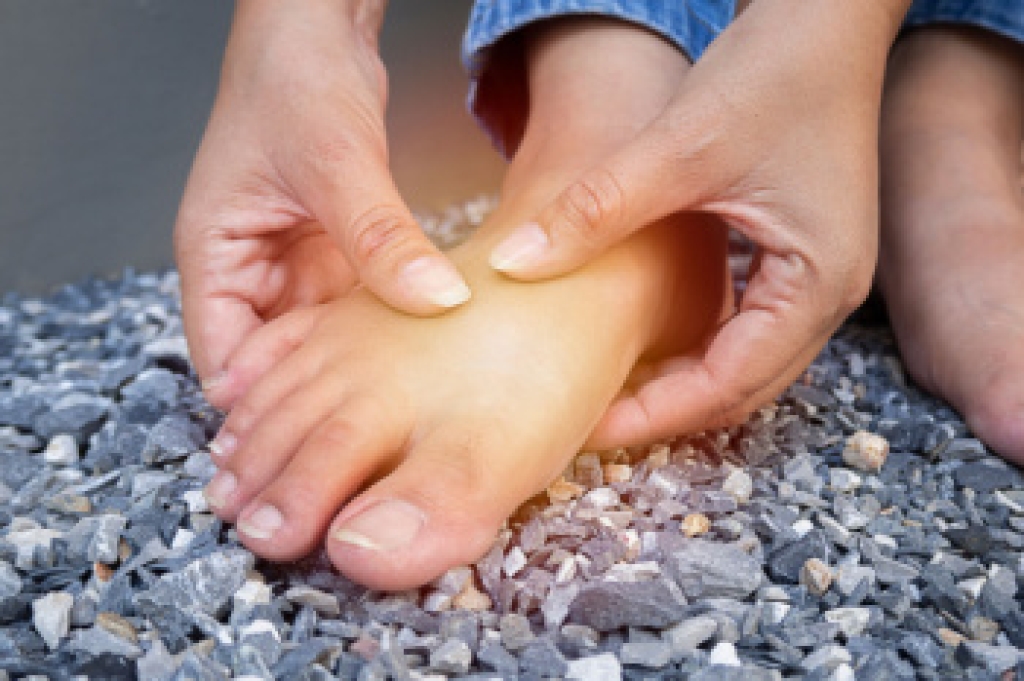
Read more about What is Morton's Neuroma?

It's Time for Beautiful Feet

You don't need an excuse to have beautiful nails. Step outside without worrying about the appearance of your feet.

Foot Conditions That May be Linked to Thyroid Disease

Thyroid disease can lead to various foot conditions that impact daily comfort and mobility. Cracked heels are a common issue, resulting from dry skin associated with an underactive thyroid. Itchy feet may also occur due to the same dryness and reduced circulation. Cold feet are another symptom, as thyroid disorders often lead to poor blood flow. Swelling in the feet and ankles can arise from fluid retention linked to thyroid imbalance. Additionally, foot cramps are frequent due to disrupted electrolyte balance and nerve function. These symptoms highlight the need for thyroid management and regular foot care. Moisturizing regularly, wearing supportive footwear, and monitoring foot health can alleviate discomfort. If you suffer from a thyroid disorder and have problematic foot conditions, it is suggested that you consult a podiatrist who can offer you effective relief and treatment options.

When dealing with systemic disease of the feet, it is extremely important to check the affected areas routinely so that any additional problems are caught quickly.  If you have any concerns about your feet and ankles contact one of our podiatrists from Dr. Jeffrey J. Betman & Associates . Our doctors will assist you with all of your podiatric needs.

Systemic Diseases of the Feet

Systemic diseases affect the whole body, and symptoms usually are displayed in the feet. This condition can make a patient’s ability to walk unbearable.  Systemic diseases include gout, diabetes mellitus, neurological disorders, and arthritis.

Gout – is caused by an excess of uric acid in the body. Common symptoms include pain, inflammation, and redness at the metatarsal/phalangeal joint of the base big toe. Gout can be treated by NSAIDs to relieve pain and inflammation, and other drugs that lower the acid levels in the body.

Diabetes mellitus – is an increase in the level of blood sugar that the body cannot counteract with its own insulin. Failure to produce enough insulin is a factor in Diabetes.

Diabetes of the Feet

Diabetic Neuropathy – may lead to damaged nerves and affect the feet through numbness and loss of sensation.

Peripheral Vascular Disease – can restrict the blood flow to the feet, and often times lead to amputation of the feet. 

If you have any questions please contact our offices located in Northwest Chicago, Southwest Chicago, and Wicker Park, Chicago, IL . We offer the newest diagnostic and treatment technologies for all your foot and ankle needs.

Read more about Systemic Diseases of the Foot

What Is a Metatarsal Fracture?

Metatarsal fractures refer to breaks or cracks in one or more of the five long bones in the foot that connect the ankle to the toes. These fractures often result from direct trauma, overuse, or severe twisting of the foot. Symptoms include pain, swelling, bruising, and difficulty bearing weight. Proper treatment is vital for healing, as improper or delayed treatment can lead to serious consequences. Without appropriate care, metatarsal fractures can result in chronic pain, improper bone healing, and long-term mobility issues. Misaligned bones can cause persistent discomfort and increase the risk of arthritis in the affected joints. Therefore, it is essential to seek prompt attention from a podiatrist, follow prescribed treatment plans, and allow adequate time for healing to prevent complications and ensure a full recovery. If you have believe you have fractured a metatarsal, it is strongly suggested that you visit a podiatrist for a diagnosis and treatment.

A broken foot requires immediate medical attention and treatment. If you need your feet checked, contact one of our podiatrists from Dr. Jeffrey J. Betman & Associates . Our doctors can provide the care you need to keep you pain-free and on your feet.

Broken Foot Causes, Symptoms, and Treatment

A broken foot is caused by one of the bones in the foot typically breaking when bended, crushed, or stretched beyond its natural capabilities. Usually the location of the fracture indicates how the break occurred, whether it was through an object, fall, or any other type of injury. 

Common Symptoms of Broken Feet:

  • Bruising
  • Pain
  • Redness
  • Swelling
  • Blue in color
  • Numbness
  • Cold
  • Misshapen
  • Cuts
  • Deformities

Those that suspect they have a broken foot shoot seek urgent medical attention where a medical professional could diagnose the severity.

Treatment for broken bones varies depending on the cause, severity and location. Some will require the use of splints, casts or crutches while others could even involve surgery to repair the broken bones. Personal care includes the use of ice and keeping the foot stabilized and elevated.

If you have any questions, please feel free to contact our offices located in Northwest Chicago, Southwest Chicago, and Wicker Park, Chicago, IL . We offer the newest diagnostic and treatment technologies for all your foot care needs.
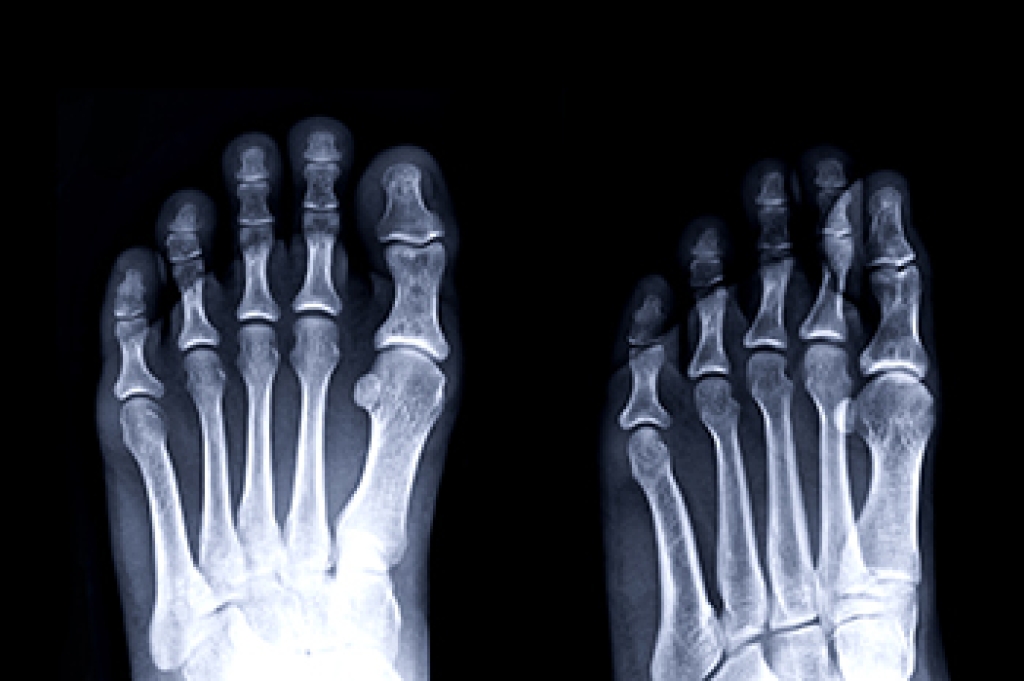
Read more about Causes, Symptoms, and Treatment for a Broken Foot

Natural Changes in Aging Feet

As people age, their feet undergo several natural changes that can affect both their function and appearance. The skin on your feet tends to become thinner and loses its elasticity, making it more susceptible to dryness and cracks. The fat pads that cushion the bottoms of your feet may diminish, leading to increased sensitivity and discomfort when walking or standing. Additionally, your toenails often grow more slowly, often becoming thicker and more brittle over time. Joint mobility might decrease, causing stiffness and reduced flexibility. Circulation to the lower extremities can also decline, contributing to slower healing of cuts or blisters. Foot conditions that may develop with age include osteoarthritis and gout. These changes are a normal part of aging, and maintaining proper foot care, such as regular moisturizing, wearing supportive footwear, and staying active can help ease some of these effects. If you are elderly or are caring for an older person, it is suggested that you include a podiatrist on your healthcare team who can perform routine foot examinations.

Proper foot care is something many older adults forget to consider. If you have any concerns about your feet and ankles, contact one of our podiatrists from Dr. Jeffrey J. Betman & Associates . Our doctors can provide the care you need to keep you pain-free and on your feet.

The Elderly and Their Feet

As we age we start to notice many changes in our body, but the elder population may not notice them right away. Medical conditions may prevent the elderly to take notice of their foot health right away. Poor vision is a lead contributor to not taking action for the elderly.

Common Conditions 

  • Neuropathy – can reduce feeling in the feet and can hide many life-threatening medical conditions.
  • Reduced flexibility – prevents the ability of proper toenail trimming, and foot cleaning. If left untreated, it may lead to further medical issues.
  • Foot sores – amongst the older population can be serious before they are discovered. Some of the problematic conditions they may face are:
  • Gouging toenails affecting nearby toe
  • Shoes that don’t fit properly
  • Pressure sores
  • Loss of circulation in legs & feet
  • Edema & swelling of feet and ankles

Susceptible Infections

Diabetes and poor circulation can cause general loss of sensitivity over the years, turning a simple cut into a serious issue.

If you have any questions, please feel free to contact our offices located in Northwest Chicago, Southwest Chicago, and Wicker Park, Chicago, IL . We offer the newest diagnostic and treatment technologies for all your foot care needs.
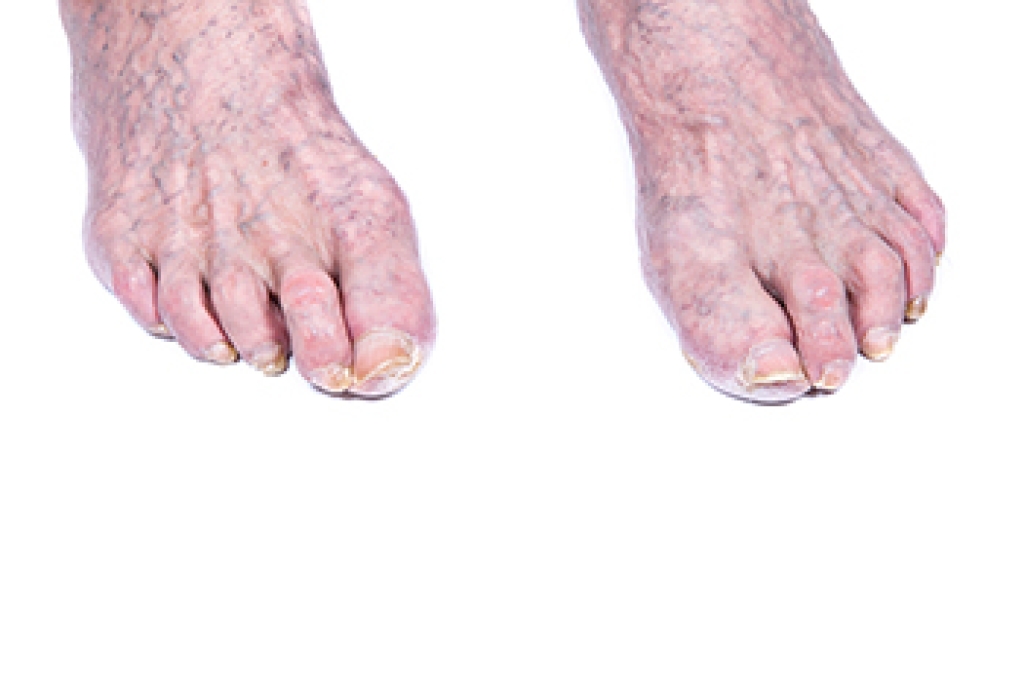
Read more about Elderly and their Feet

Connect With Us