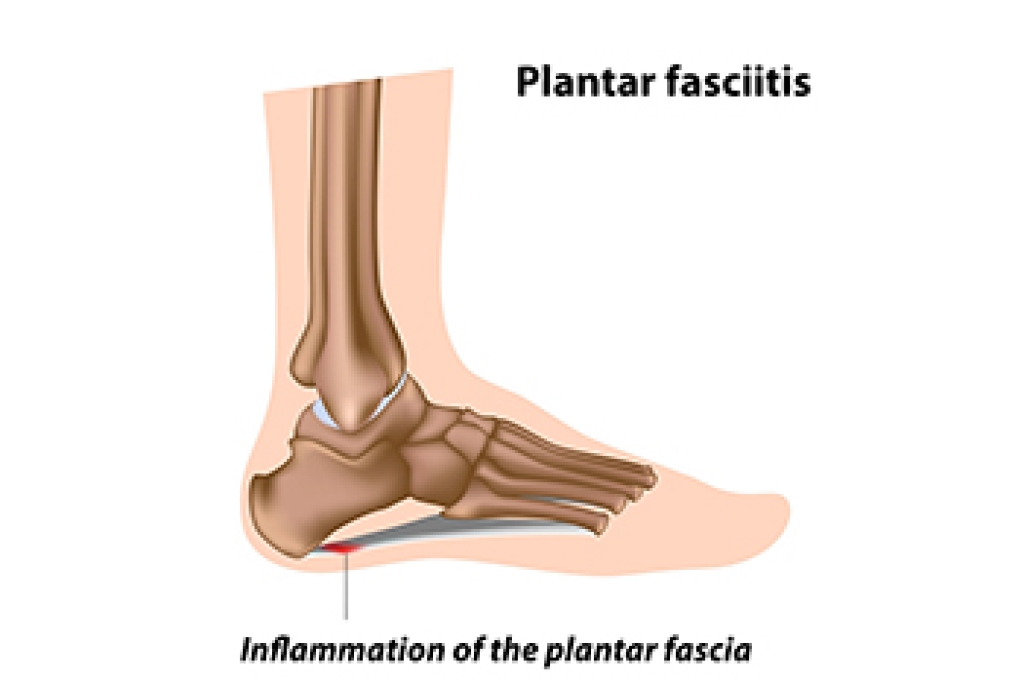
Getting Help for Plantar Fasciitis

Plantar fasciitis is believed to be the most common complaint of heel pain. Plantar fasciitis is the inflammation of the plantar fascia, a broad band of tissue on the sole that supports the arch. This inflammation can make your heel hurt, swell, or turn red, particularly when getting out of bed in the morning. The causes of plantar fasciitis are varied, often stemming from factors like foot and calf tightness, weak foot muscles, or undue stress on the arch. Excessive running, wearing poorly fitted shoes, and some work actions can make the condition worse. Treatment focuses on addressing the root causes and reducing inflammation. It may involve wearing shoes with better arch support, changing shoe size, and moderating activities that strain the foot. Stretching and strengthening exercises, like towel curls, may help reduce symptoms. If you have developed plantar fasciitis, it is suggested that you make an appointment with a podiatrist who specializes in managing this condition. 

Plantar fasciitis can be very painful and inconvenient. If you are experiencing heel pain or symptoms of plantar fasciitis, contact one of our podiatrists  from Dr. Jeffrey J. Betman & Associates . Our doctors can provide the care you need to keep you pain-free and on your feet.

What Is Plantar Fasciitis?

Plantar fasciitis is the inflammation of the thick band of tissue that runs along the bottom of your foot, known as the plantar fascia, and causes mild to severe heel pain.

What Causes Plantar Fasciitis?

  • Excessive running
  • Non-supportive shoes
  • Overpronation
  • Repeated stretching and tearing of the plantar fascia

How Can It Be Treated?

  • Conservative measures – anti-inflammatories, ice packs, stretching exercises, physical therapy, orthotic devices
  • Shockwave therapy – sound waves are sent to the affected area to facilitate healing and are usually used for chronic cases of plantar fasciitis
  • Surgery – usually only used as a last resort when all else fails. The plantar fascia can be surgically detached from the heel

While very treatable, plantar fasciitis is definitely not something that should be ignored. Especially in severe cases, speaking to your doctor right away is highly recommended to avoid complications and severe heel pain. Your podiatrist can work with you to provide the appropriate treatment options tailored to your condition.

If you have any questions, please feel free to contact our offices located in Northwest Chicago, Southwest Chicago, and Wicker Park, Chicago, IL . We offer the newest diagnostic and treatment technologies for all your foot care needs.

Read more about Plantar Fasciitis

Plantar Warts Can Be Treated!

Plantar warts are small growths that develop on parts of the feet that bear weight. They're typically found on the bottom of the foot. Don't live with plantar warts, and call us today!

The Job Description of a Podiatrist

Podiatrists, often referred to as foot doctors, are healthcare professionals specializing in the diagnosis, treatment, and prevention of disorders and injuries related to the feet and ankles. Their job entails a diverse range of responsibilities to ensure optimal foot health for their patients. Podiatrists conduct thorough examinations to diagnose various foot conditions, including bunions, plantar fasciitis, and diabetic foot ulcers. They often use diagnostic tools such as X-rays and laboratory tests to aid in their assessments. Once a diagnosis is made, podiatrists develop individualized treatment plans, which may involve prescribing medications or performing surgical procedures. Additionally, podiatrists educate patients on proper foot care, footwear, and prevention strategies. They may also collaborate with other healthcare professionals to address underlying health conditions that affect the feet, such as diabetes or arthritis. In addition to clinical work, some podiatrists conduct research to advance the field's knowledge and develop innovative treatments. Overall, podiatrists are dedicated to improving the quality of life for individuals by ensuring the health and functionality of their feet and lower limbs. If you are interested in pursuing a career in podiatry, it is strongly suggested that you speak to this type of doctor who can provide you with valuable information. 

If you are dealing with pain in your feet and ankles, you may want to seek help from a podiatrist. Feel free to contact one of our podiatrists from Dr. Jeffrey J. Betman & Associates . Our doctors can provide the care you need to keep you pain-free and on your feet.

What Is a Podiatrist?

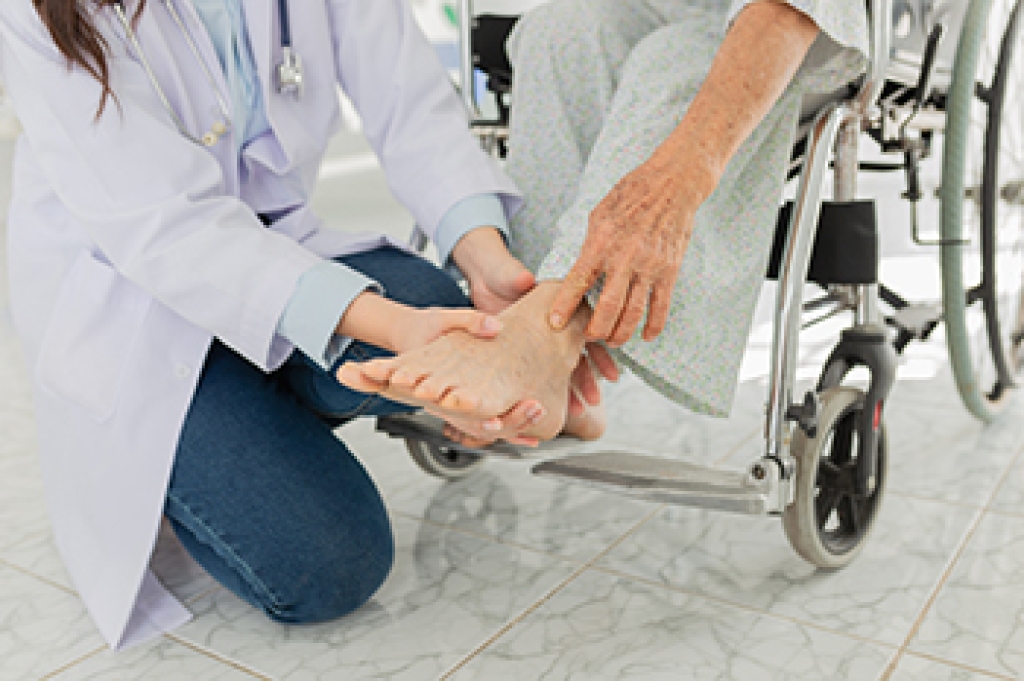
A podiatrist is a doctor of podiatric medicine who diagnoses and treats conditions of the foot, ankle, and related structures of the leg. Your podiatrist may specialize in a certain field such as sports medicine, wound care, pediatrics, and diabetic care. Podiatrists have the ability to become board certified through training, clinical experience, and then taking an exam.

What Do Podiatrists Do?

On a daily basis, a podiatrist may perform the following activities:

  • Diagnose foot ailments such as ulcers, tumors, fractures, etc.
  • Use innovative methods to treat conditions
  • Use corrective orthotics, casts, and strappings to correct deformities
  • Correct walking patterns and balance
  • Provide individual consultations to patients

It is very important that you take care of your feet. It’s easy to take having healthy feet for granted, however foot problems tend to be among the most common health conditions. Podiatrists can help diagnose and treat a variety of feet related conditions, so it is crucial that you visit one if you need assistance.

If you have any questions, please feel free to contact our offices located in Northwest Chicago, Southwest Chicago, and Wicker Park, Chicago, IL . We offer the newest diagnostic and treatment technologies for all your foot care needs.
Read more about What is a Podiatrist?

Foot Care and Falls Prevention

When considering the well-being of elderly loved ones, it is essential not to overlook the health of their feet, as they play a vital role in supporting their mobility. Foot problems among seniors are common and often associated with weakness, altered gait, and balance difficulties, which can increase the risk of falls. Various foot issues can affect older individuals and can include corns, calluses, and toenail disorders. Additionally, bunions and deformities such as hammertoe and claw toe may develop. Loss of fat pads and connective tissue disorders can also lead to discomfort. Poor circulation and systemic conditions, such as diabetes and arthritis, can further compound foot problems. Proper elderly foot care involves regular checks for changes in foot health, maintaining cleanliness, and ensuring proper footwear fit. Orthotics can help alleviate foot pain and reduce fall risks in the elderly as well. If you are elderly or taking care of a senior, it is suggested that you make an appointment with a podiatrist to help maintain regular foot care, in addition to providing advice on effective fall prevention techniques. 

Proper foot care is something many older adults forget to consider. If you have any concerns about your feet and ankles, contact one of our podiatrists from Dr. Jeffrey J. Betman & Associates . Our doctors can provide the care you need to keep you pain-free and on your feet.

The Elderly and Their Feet

As we age we start to notice many changes in our body, but the elder population may not notice them right away. Medical conditions may prevent the elderly to take notice of their foot health right away. Poor vision is a lead contributor to not taking action for the elderly.

Common Conditions 

  • Neuropathy – can reduce feeling in the feet and can hide many life-threatening medical conditions.
  • Reduced flexibility – prevents the ability of proper toenail trimming, and foot cleaning. If left untreated, it may lead to further medical issues.
  • Foot sores – amongst the older population can be serious before they are discovered. Some of the problematic conditions they may face are:
  • Gouging toenails affecting nearby toe
  • Shoes that don’t fit properly
  • Pressure sores
  • Loss of circulation in legs & feet
  • Edema & swelling of feet and ankles

Susceptible Infections

Diabetes and poor circulation can cause general loss of sensitivity over the years, turning a simple cut into a serious issue.

If you have any questions, please feel free to contact our offices located in Northwest Chicago, Southwest Chicago, and Wicker Park, Chicago, IL . We offer the newest diagnostic and treatment technologies for all your foot care needs.

Read more about Taking Care of Elderly Feet

How to Choose the Right Running Shoe

Choosing the perfect pair of running shoes is essential for runners of all levels. Your choice significantly affects comfort, performance, and overall foot health. To make the right selection, start by identifying your foot type, such as neutral, pronated, or supinated. Next, consider cushioning, which should be minimal for a natural feel, maximum for long-distance shock absorption, or moderate for most runners. Shoe stability matters for injury prevention. Those with flat feet or overpronation should opt for stability features like medial posts, while high arches benefit from neutral shoes with cushioning. A proper fit is also important. Leave about a thumb's width of space between your longest toe and the shoe's front. Try on multiple pairs and take them for a test run in-store to assess comfort and stability. Also, consider the type of surface you will be running on, because road, trail, and track running require different shoe types. Running shoes can become a major investment because they should be replaced after 300-500 miles to ensure optimal performance and prevent injuries. For more help with finding the proper running shoe for your feet, it is suggested that you speak to a podiatrist.

If you are a runner, wearing the right running shoe is essential. For more information, contact one of our podiatrists from Dr. Jeffrey J. Betman & Associates . Our doctors can provide the care you need to keep you pain-free and on your feet.

Choosing the Right Running Shoe for Your Foot Type

To increase performance and avoid the risk of injury, it is important to choose the right running shoe based on your foot type. The general design of running shoes revolves around pronation, which is how the ankle rolls from outside to inside when the foot strikes the ground.

  • Neutral runners are able to choose from a wide variety of shoes, including minimalist shoes or even going barefoot.
  • Runners who overpronate, or experience an over-abundance of ankle rolling, should choose shoes that provide extra motion control and stability.
  • Runners who underpronate, or supinate, have feet that have high arches and lack flexibility, preventing shock absorption. They require shoes with more flexibility and cushion.

If you have any questions, please feel free to contact our offices located in Northwest Chicago, Southwest Chicago, and Wicker Park, Chicago, IL . We offer the newest diagnostic and treatment technologies for all your foot care needs.

Read more about Choosing the Right Running Shoe for Your Foot Type

Connect With Us