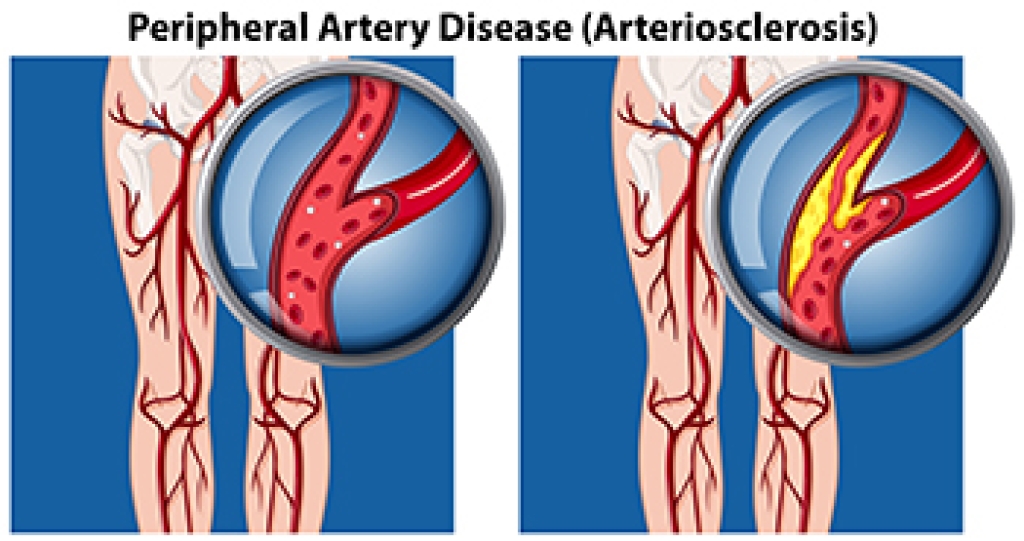
Causes and Risk Factors for PAD

Peripheral artery disease, or PAD, occurs when plaque builds up in the arteries, causing reduced blood flow to the lower limbs. This leads to such symptoms as pain, cramping, or numbness in the feet, toes, or ankles. Smoking, diabetes, high blood pressure, and high cholesterol are major risk factors, while aging and a family history of vascular disease can also contribute to its development. Poor circulation from PAD may cause slow-healing wounds, skin discoloration, and, in severe cases, ulcers that increase the risk of infection or limb loss. A podiatrist can evaluate the blood flow to the feet and ankles, identify complications, and recommend appropriate treatment to help prevent more serious outcomes. Depending on the severity of the peripheral artery disease, treatment may include medical management or procedures like angioplasty or bypass surgery. If you are experiencing foot problems related to peripheral artery disease, it is suggested that you visit a podiatrist for guidance and treatment options.

Peripheral artery disease can pose a serious risk to your health. It can increase the risk of stroke and heart attack. If you have symptoms of peripheral artery disease, consult with one of our podiatrists from Dr. Jeffrey J. Betman & Associates . Our doctors will assess your condition and provide you with quality foot and ankle treatment.

Peripheral artery disease (PAD) is when arteries are constricted due to plaque (fatty deposits) build-up. This results in less blood flow to the legs and other extremities. The main cause of PAD is atherosclerosis, in which plaque builds up in the arteries.

Symptoms

Symptoms of PAD include:

  • Claudication (leg pain from walking)
  • Numbness in legs
  • Decrease in growth of leg hair and toenails
  • Paleness of the skin
  • Erectile dysfunction
  • Sores and wounds on legs and feet that won’t heal
  • Coldness in one leg

It is important to note that a majority of individuals never show any symptoms of PAD.

Diagnosis

While PAD occurs in the legs and arteries, Podiatrists can diagnose PAD. Podiatrists utilize a test called an ankle-brachial index (ABI). An ABI test compares blood pressure in your arm to you ankle to see if any abnormality occurs. Ultrasound and imaging devices may also be used.

Treatment

Fortunately, lifestyle changes such as maintaining a healthy diet, exercising, managing cholesterol and blood sugar levels, and quitting smoking, can all treat PAD. Medications that prevent clots from occurring can be prescribed. Finally, in some cases, surgery may be recommended.

If you have any questions, please feel free to contact our offices located in Northwest Chicago, Southwest Chicago, and Wicker Park, Chicago, IL . We offer the newest diagnostic and treatment technologies for all your foot care needs.

Read more about Peripheral Artery Disease

Keep Your Feet Healthy So You Can Stay Active

Have your feet inspected by a professional before starting a new sport or physical activity. Taking charge of your foot health will keep you in good physical condition and can help you avoid a potential injury, such as a fracture or sprained ankle.

Prevent injuries and see a foot specialist.

Ingrown Toenails

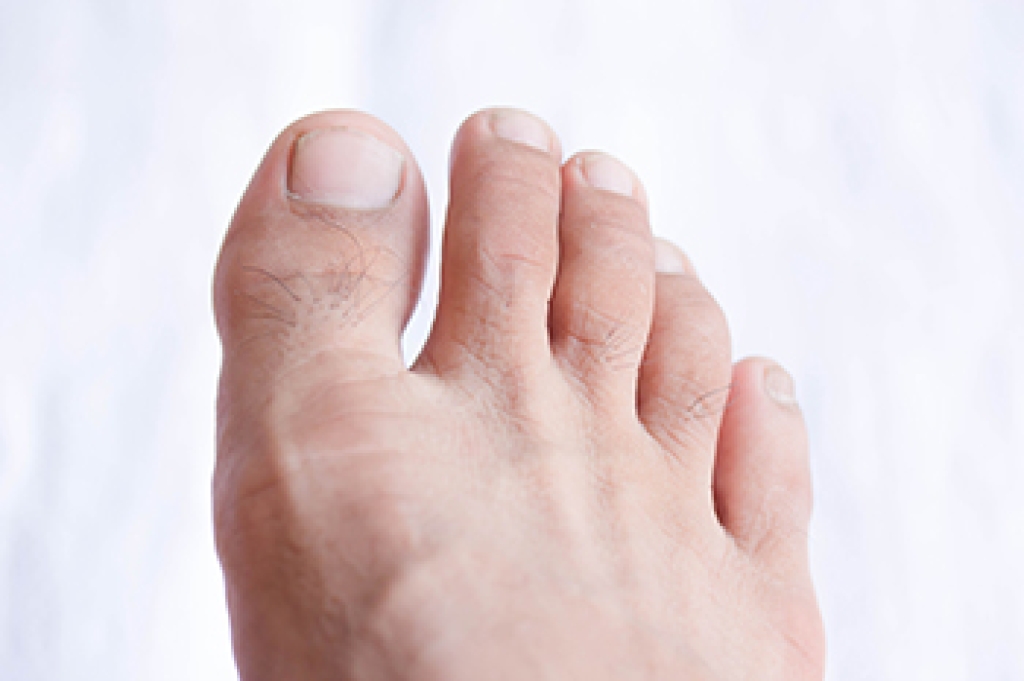
Ingrown toenails occur when the edges or corners of a toenail grow into the surrounding skin, causing pain, swelling, and sometimes infection. This condition commonly affects the big toe and can result from improper nail trimming, tight shoes, or injury. Symptoms of ingrown toenails include redness, tenderness, swelling, and sometimes a discharge of pus if an infection develops. The pain can range from mild to severe, making it difficult to wear shoes or walk comfortably. A podiatrist can help treat ingrown toenails by removing the affected portion of the nail or, in more severe cases, performing a minor surgical procedure to prevent it from recurring. They can also provide advice on proper nail care and footwear to prevent future issues. If you are dealing with ingrown toenails, it is suggested that you make an appointment with a podiatrist.

Ingrown toenails can become painful if they are not treated properly. For more information about ingrown toenails, contact one of our podiatrists of Dr. Jeffrey J. Betman & Associates . Our doctors can provide the care you need to keep you pain-free and on your feet.

Ingrown Toenails

Ingrown toenails occur when a toenail grows sideways into the bed of the nail, causing pain, swelling, and possibly infection.

Causes

  • Bacterial infections
  • Improper nail cutting such as cutting it too short or not straight across
  • Trauma to the toe, such as stubbing, which causes the nail to grow back irregularly
  • Ill-fitting shoes that bunch the toes too close together
  • Genetic predisposition

Prevention

Wearing proper fitting shoes and using proper cutting techniques will also help decrease your risk of developing ingrown toenails.

Treatment

Ingrown toenails are a very treatable foot condition. In minor cases, soaking the affected area in salt or antibacterial soaps will not only help with the ingrown nail itself, but also help prevent any infections from occurring. In more severe cases, surgery is an option. In either case, speaking to your podiatrist about this condition will help you get a better understanding of specific treatment options that are right for you.

If you have any questions, please feel free to contact our offices located in Northwest Chicago, Southwest Chicago, and Wicker Park, Chicago, IL . We offer the newest diagnostic and treatment technologies for all your foot care needs.
Read more about Ingrown Toenail Care

Common Causes of Foot Pain

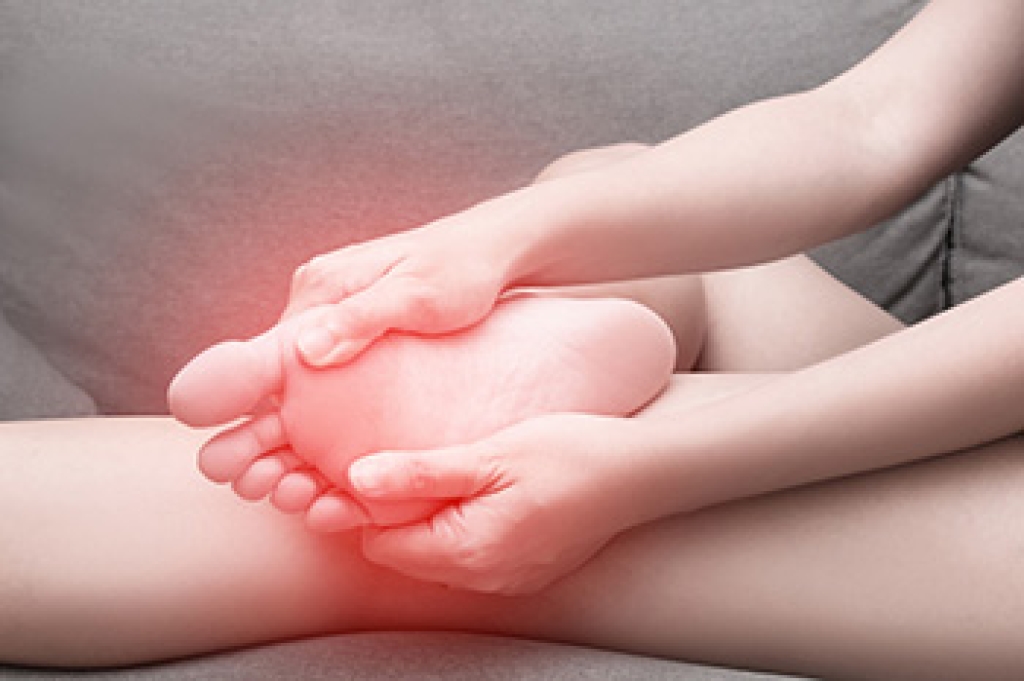
Foot pain can result from various factors that place stress on the muscles, joints, and ligaments. Aging naturally weakens the feet, reducing flexibility and cushioning, which can lead to discomfort during movement. Excess body weight increases pressure on the feet, contributing to conditions like plantar fasciitis and joint pain. Standing for long periods of time without proper support strains the arches and causes fatigue. Wearing shoes that do not fit properly, whether too tight or lacking support, can lead to blisters, calluses, and misalignment. Foot deformities such as bunions, hammertoes, or flat feet can create imbalance and pain with every step. If you have foot pain, it is suggested that you consult a podiatrist who can determine what the cause is, and offer appropriate relief and treatment solutions.

Foot Pain

Foot pain can be extremely painful and debilitating. If you have a foot pain, consult with one of our podiatrists from Dr. Jeffrey J. Betman & Associates . Our doctors will assess your condition and provide you with quality foot and ankle treatment.

Causes

Foot pain is a very broad condition that could be caused by one or more ailments. The most common include:

  • Bunions
  • Hammertoes
  • Plantar Fasciitis
  • Bone Spurs
  • Corns
  • Tarsal Tunnel Syndrome
  • Ingrown Toenails
  • Arthritis (such as Gout, Rheumatoid, and Osteoarthritis)
  • Flat Feet
  • Injury (from stress fractures, broken toe, foot, ankle, Achilles tendon ruptures, and sprains)
  • And more

Diagnosis

To figure out the cause of foot pain, podiatrists utilize several different methods. This can range from simple visual inspections and sensation tests to X-rays and MRI scans. Prior medical history, family medical history, and any recent physical traumatic events will all be taken into consideration for a proper diagnosis.

Treatment

Treatment depends upon the cause of the foot pain. Whether it is resting, staying off the foot, or having surgery; podiatrists have a number of treatment options available for foot pain.

If you have any questions, please feel free to contact our offices located in Northwest Chicago, Southwest Chicago, and Wicker Park, Chicago, IL . We offer the newest diagnostic and treatment technologies for all your foot care needs.
Read more about Foot Pain

Symptoms and Causes of Heel Pad Syndrome

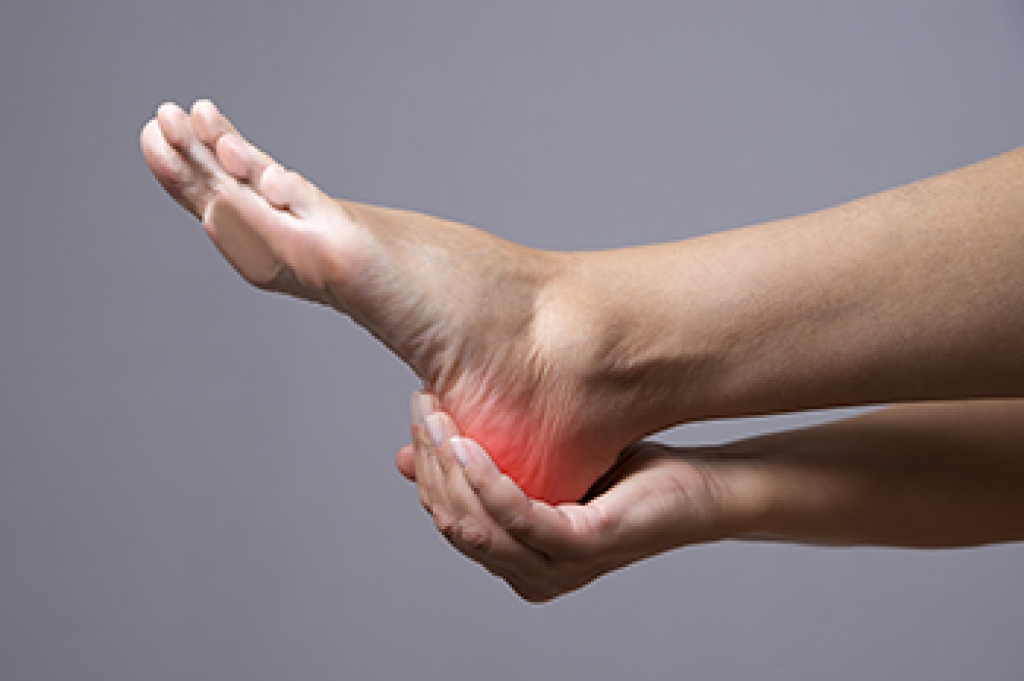
Heel pad syndrome occurs when the protective fat pad beneath the heel thins or loses its elasticity, reducing the ability to absorb impact. This can result in deep, aching pain at the center of the heel, particularly when walking, standing, or engaging in high-impact activities. Some people describe a bruised sensation, which may worsen when walking barefoot or on hard surfaces. Repetitive stress, prolonged standing, excess body weight, and aging can contribute to the deterioration of the heel pad. Wearing inappropriate footwear and conditions that affect soft tissue integrity, such as diabetes or arthritis, may also play a role in developing heel pad syndrome. A podiatrist can evaluate the condition by examining your heel and assessing fat pad thickness. Diagnostic imaging may be used to differentiate heel pad syndrome from other sources of heel pain, like plantar fasciitis or stress fractures. Treatment options for heel pad syndrome include footwear modifications, custom orthotics, or cushioning inserts to support the heel and reduce discomfort. If you are experiencing pain on the bottom of the heel, it is suggested that you schedule an appointment with a podiatrist for a diagnosis and treatment options.

Many people suffer from bouts of heel pain. For more information, contact one of our podiatrists of Dr. Jeffrey J. Betman & Associates . Our doctors can provide the care you need to keep you pain-free and on your feet.

Causes of Heel Pain

Heel pain is often associated with plantar fasciitis. The plantar fascia is a band of tissues that extends along the bottom of the foot. A rip or tear in this ligament can cause inflammation of the tissue.

Achilles tendonitis is another cause of heel pain. Inflammation of the Achilles tendon will cause pain from fractures and muscle tearing. Lack of flexibility is also another symptom.

Heel spurs are another cause of pain. When the tissues of the plantar fascia undergo a great deal of stress, it can lead to ligament separation from the heel bone, causing heel spurs.

Why Might Heel Pain Occur?

  • Wearing ill-fitting shoes                
  • Wearing non-supportive shoes
  • Weight change           
  • Excessive running

Treatments

Heel pain should be treated as soon as possible for immediate results. Keeping your feet in a stress-free environment will help. If you suffer from Achilles tendonitis or plantar fasciitis, applying ice will reduce the swelling. Stretching before an exercise like running will help the muscles. Using all these tips will help make heel pain a condition of the past.

If you have any questions, please feel free to contact our offices located in Northwest Chicago, Southwest Chicago, and Wicker Park, Chicago, IL . We offer the newest diagnostic and treatment technologies for all your foot care needs.

Read more about Heel Pain

Connect With Us