No Running With a Stress Fracture

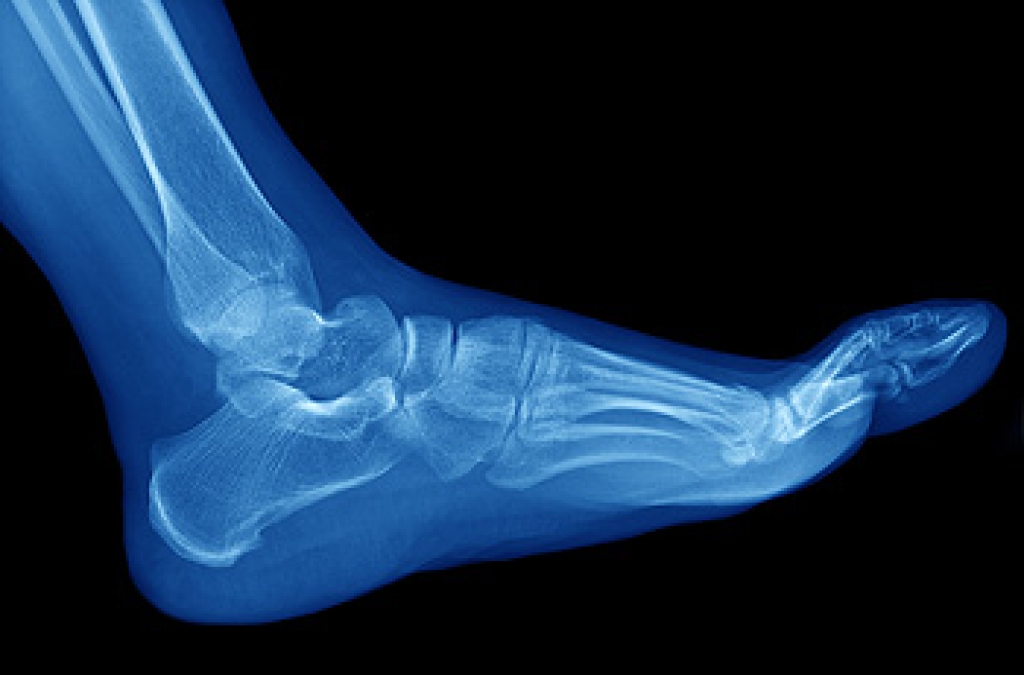
When a stress fracture is incurred, it can be a runner’s worst nightmare. A stress fracture is a hairline fracture that happens from increased pressure on the feet while participating in running and jumping activities. Some patients have a predisposition to stress fractures, which may include having weak and narrow bones. The minimum recovery time for a complete recovery is six weeks and it is imperative to the healing process that running is stopped during this time. When the foot has healed, it is beneficial to begin running gradually and increase speed and distance slowly. Additionally, it can help to perform basic foot stretches to give the foot a chance to become stronger. If you have foot pain and are unable to run, it is suggested that you contact a podiatrist who can determine if a stress fracture has occurred, and offer you the correct treatment options.

Activities where too much pressure is put on the feet can cause stress fractures. To learn more, contact one of our podiatrists from Dr. Jeffrey J. Betman & Associates . Our doctors can provide the care you need to keep your pain free and on your feet.

Dealing with Stress Fractures of the Foot and Ankle

Stress fractures occur in the foot and ankle when muscles in these areas weaken from too much or too little use.  The feet and ankles then lose support when walking or running from the impact of the ground. Since there is no protection, the bones receive the full impact of each step. Stress on the feet can cause cracks to form in the bones, thus creating stress fractures.

What Are Stress Fractures?

Stress fractures occur frequently in individuals whose daily activities cause great impact on the feet and ankles. Stress factors are most common among:

  • Runners                                
  • People affected with Osteoporosis
  • Tennis or basketball players
  • Gymnasts
  • High impact workouts

Symptoms

Pain from the fractures occur in the area of the fractures and can be constant or intermittent. It will often cause sharp or dull pain with swelling and tenderness. Engaging in any kind of activity which involves high impact will aggravate pain.

If you have any questions please contact our offices located in Northwest Chicago, Southwest Chicago, and Wicker Park, Chicago, IL . We offer the newest diagnostic and treatment technologies for all your foot and ankle needs.

Read more about Dealing with Stress Fractures of the Foot and Ankle

Let the Expert Treat Your Ingrown Toenails

Ingrown toenails can be painful and can make wearing shoes or walking uncomfortable. Seek professional help if you believe you've developed an ingrown toenail and be treated safely. 

What Is Diabetic Foot Care?

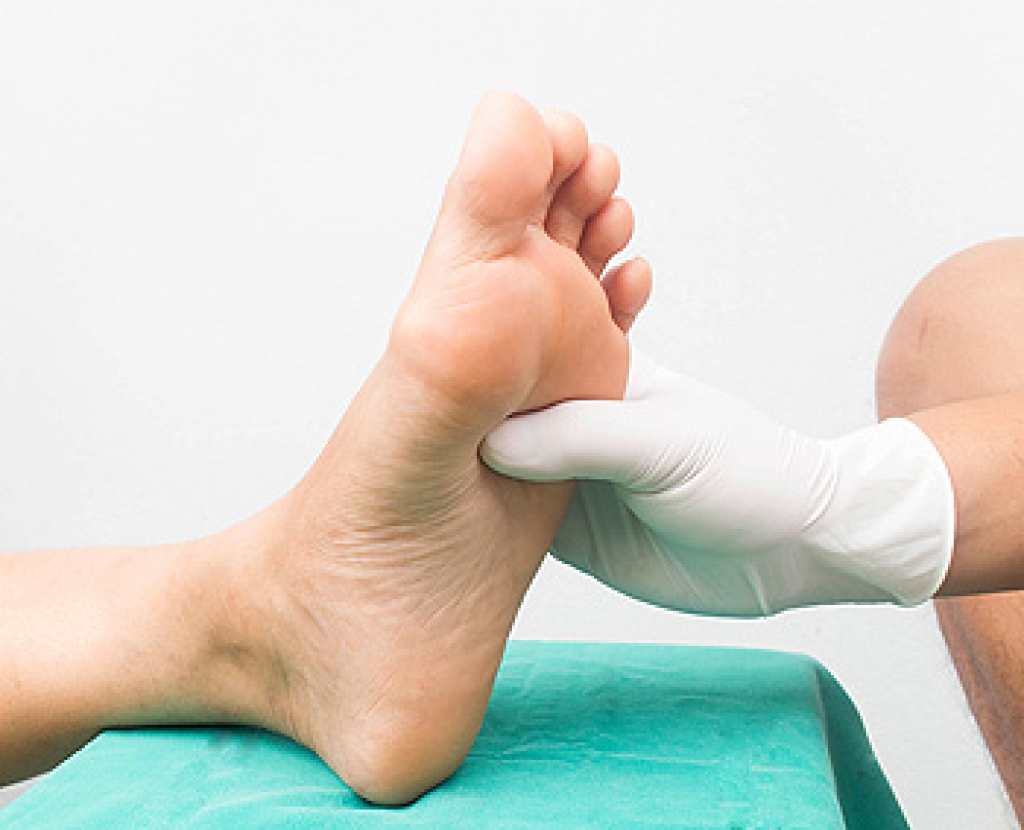
Diabetes is a serious condition that can happen from elevated glucose levels in the blood. Most diabetic patients are aware of the potential damage this condition can cause to the feet, and it is urged to practice proper diabetic foot care. Wounds on the feet can heal slower in people who are diabetic, and it is important to check daily for any cuts or scrapes that may have developed. Neuropathy is a condition that can affect people who have diabetes, and it causes the inability to feel sensations on the feet. Diabetic foot care can start with washing and drying the feet daily,  followed by inspecting the entire foot, including the soles. This can be accomplished by using a mirror, or perhaps a family member or caregiver can help. Additionally, it is beneficial the toenails are cut weekly, and this is generally performed by a podiatrist. It is helpful to refrain from walking barefoot indoors or outdoors, which may prevent the feet from being cut. If you have diabetes, it is strongly suggested that you are under the care of a podiatrist who can help you to manage this condition.

Diabetic foot care is important in preventing foot ailments such as ulcers. If you are suffering from diabetes or have any other concerns about your feet, contact one of our podiatrists from Dr. Jeffrey J. Betman & Associates . Our doctors can provide the care you need to keep you pain-free and on your feet.

Diabetic Foot Care

Diabetes affects millions of people every year. The condition can damage blood vessels in many parts of the body, especially the feet. Because of this, taking care of your feet is essential if you have diabetes, and having a podiatrist help monitor your foot health is highly recommended.

The Importance of Caring for Your Feet

  • Routinely inspect your feet for bruises or sores.
  • Wear socks that fit your feet comfortably.
  • Wear comfortable shoes that provide adequate support.

Patients with diabetes should have their doctor monitor their blood levels, as blood sugar levels play such a huge role in diabetic care. Monitoring these levels on a regular basis is highly advised.

It is always best to inform your healthcare professional of any concerns you may have regarding your feet, especially for diabetic patients. Early treatment and routine foot examinations are keys to maintaining proper health, especially because severe complications can arise if proper treatment is not applied.

If you have any questions, please feel free to contact our offices located in Northwest Chicago, Southwest Chicago, and Wicker Park, Chicago, IL . We offer the newest diagnostic and treatment technologies for all your foot care needs.

Read more about Diabetic Foot Care

Obesity May Lead To Pronation

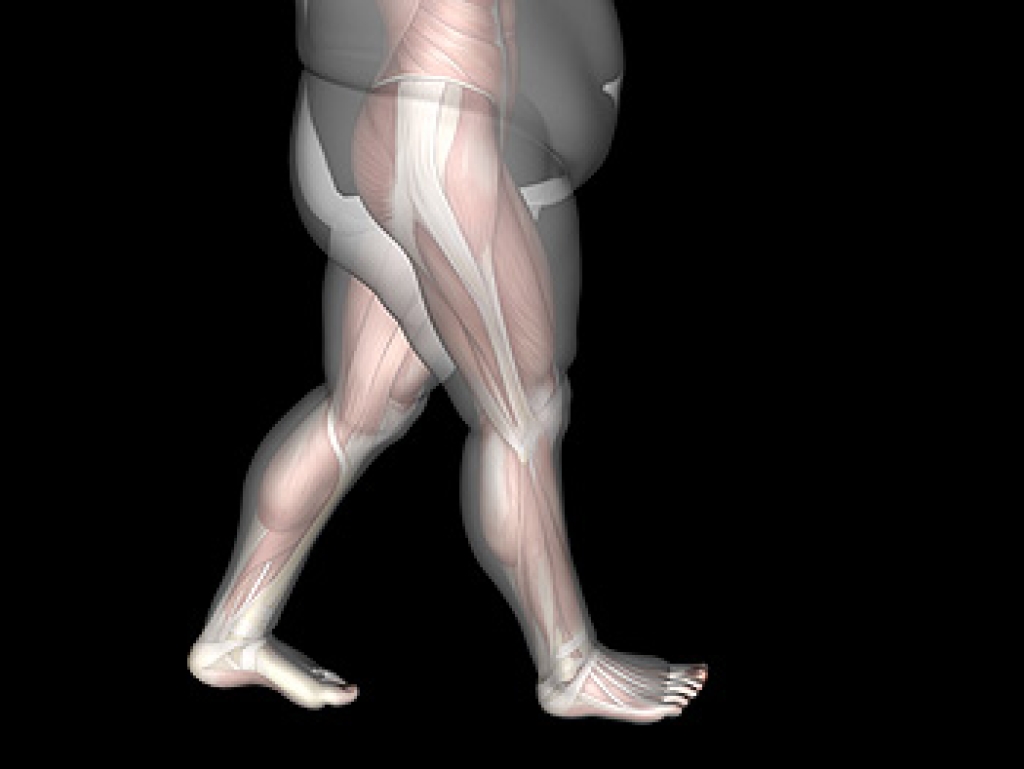
People who are obese may have fallen arches or flat feet. This can happen because of the added weight the feet must endure while walking and standing. This can lead to pronation, which causes the patient to walk slightly on the outside of the foot instead of with the feet flat on the ground. Their feet may become wider, and this may be especially true of people who have been overweight for some time. Muscle mass may be lost in obese patients, and this can cause difficulty walking. Excess weight can be lost by implementing healthy eating habits and walking for approximately 30 minutes each day. This is often done slowly and will become easier the more it’s done. If you have questions about obesity, foot pain, or related conditions, it is suggested that you consult with a podiatrist who can address any concerns you may have.

Obesity has become very problematic at this point in time and can have extremely negative effects on the feet. If you’re an obese individual and are concerned about your feet, contact one of our podiatrists from Dr. Jeffrey J. Betman & Associates . Our doctors can provide the care you need to keep you pain-free and on your feet.

Obesity and Your Feet

Since your feet are what support your entire weight when standing, any additional weight can result in pain and swelling. Being overweight is one of the main contributors to foot complications.

Problems & Complications

Extra Weight – Even putting on just a few extra pounds could create serious complications for your feet. As your weight increases, your balance and body will shift, creating new stresses on your feet. This uneven weight distribution can cause pain, even while doing the simplest tasks, such as walking.

Diabetes – People who are overweight are at serious risk of developing type-2 diabetes, which has a drastic impact on the health of your feet. As you get older, your diabetes might worsen, which could lead to loss of feeling in your feet, sores, and bruises. You could also become more prone to various infections.

Plantar fasciitis – Pressure and stress that is placed on muscles, joints, and tendons can trigger plantar fasciitis, which is an inflammation of tissue that forms along the bottom of the foot. 

If you have any questions, please feel free to contact our offices located in Northwest Chicago, Southwest Chicago, and Wicker Park, Chicago, IL . We offer the newest diagnostic and treatment technologies for all your foot care needs.

Read more about How Obesity Affects Your Feet

The Best Time of Day to Purchase Shoes

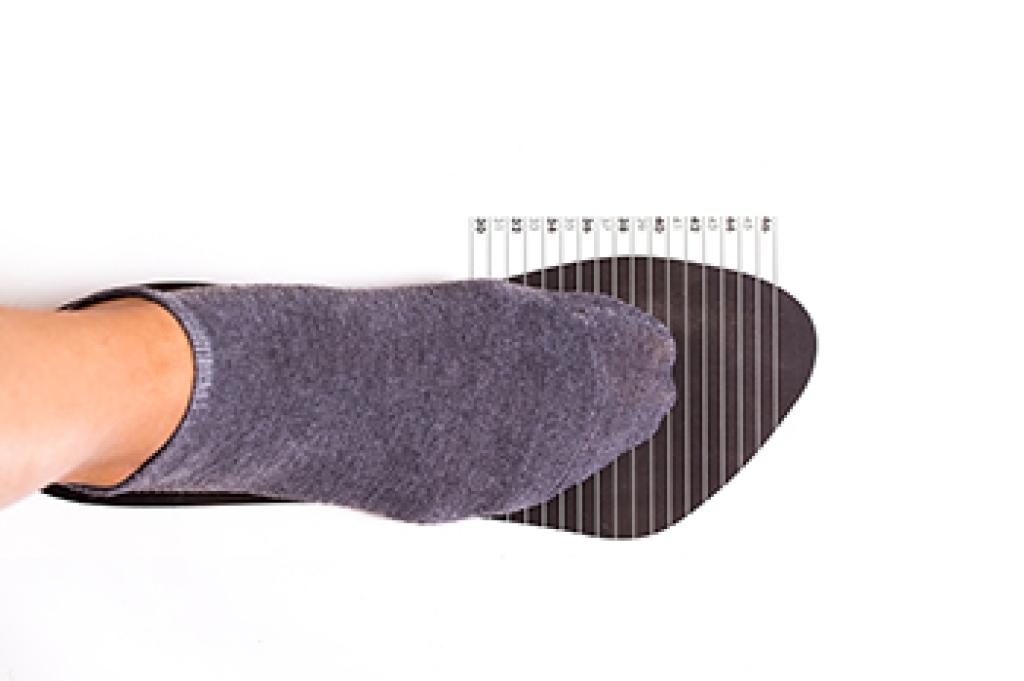
Wearing the right shoe size may help to prevent injury. Shoes that fit properly will have adequate cushioning that can support the feet, and most importantly, they are comfortable. It is beneficial to try on and purchase shoes later in the day when the feet are at their largest. This can begin by properly measuring the feet, which can be done by tracing each foot on paper, or by using a Brannock device. The majority of shoe stores have this type of measuring tool, and using it is generally a quick and successful way to determine your correct shoe size. It is beneficial to wear socks that will be worn with the shoes, and walking in them prior to buying them is a good way to determine if they fit correctly. Patients who have foot pain may need to change shoes often, and it is advised that you consult with a podiatrist who can guide you toward wearing shoes that are right for you.

Getting the right shoe size is an important part of proper foot health. Seek the assistance of one of our podiatrists from Dr. Jeffrey J. Betman & Associates . Our doctors will provide the care you need to keep you pain-free and on your feet.

Getting the Right Shoe Size

There are many people who wear shoes that are the incorrect size, negatively affecting their feet and posture. Selecting the right shoes is not a difficult process, so long as you keep several things in mind when it comes to choosing the right pair.

  • When visiting the shoe store, use the tools available to measure your foot.
  • Be sure there is ‘wiggle room’. There should be about an inch between your toes and the tip of your shoes.
  • Do not always assume you are the same size, as manufacturers run differently.
  • Purchase shoes later in the day, as your feet swell as the day progresses.
  • If a shoe is not comfortable, it is not suitable. Most shoes can’t be ‘broken in’, and comfort should be the ultimate goal when it comes to choosing the right pair of shoes

As our feet hold our body weight and keep us moving, it is important to treat them right. Picking the right pair of shoes can provide your feet comfort and mobility without pain.

If you have any questions, please feel free to contact our offices located in Northwest Chicago, Southwest Chicago, and Wicker Park, Chicago, IL . We offer the newest diagnostic and treatment technologies for all your foot care needs.

Read more about Getting the Right Shoe Size: To Keep Your Feet Happy

Connect With Us