Who Is Vulnerable to Developing Gout?

Gout, often characterized by sudden and intense pain, swelling, and redness in the joints, primarily affects individuals who exhibit certain predisposing factors. Men over the age of 40 are particularly susceptible, as are postmenopausal women due to hormonal changes. Additionally, those with a family history of gout are at an increased risk, suggesting a genetic component to the condition. Lifestyle choices can also play a significant role. Excessive alcohol consumption, particularly beer, and a diet rich in purine-containing foods such as red meat, seafood, and organ meats can elevate the risk. Additionally, obesity and conditions like high blood pressure, diabetes, and kidney disease are associated with a higher likelihood of developing gout. Taking certain medications, such as diuretics, can contribute to elevated uric acid levels, increasing the likelihood of gout flare-ups. If you have had one or more gout attacks, it is strongly suggested that you are under the care of a podiatrist who can help you to manage this condition.

Gout is a foot condition that requires certain treatment and care. If you are seeking treatment, contact one of our podiatrists from Dr. Jeffrey J. Betman & Associates . Our doctors will treat your foot and ankle needs.

What Is Gout?

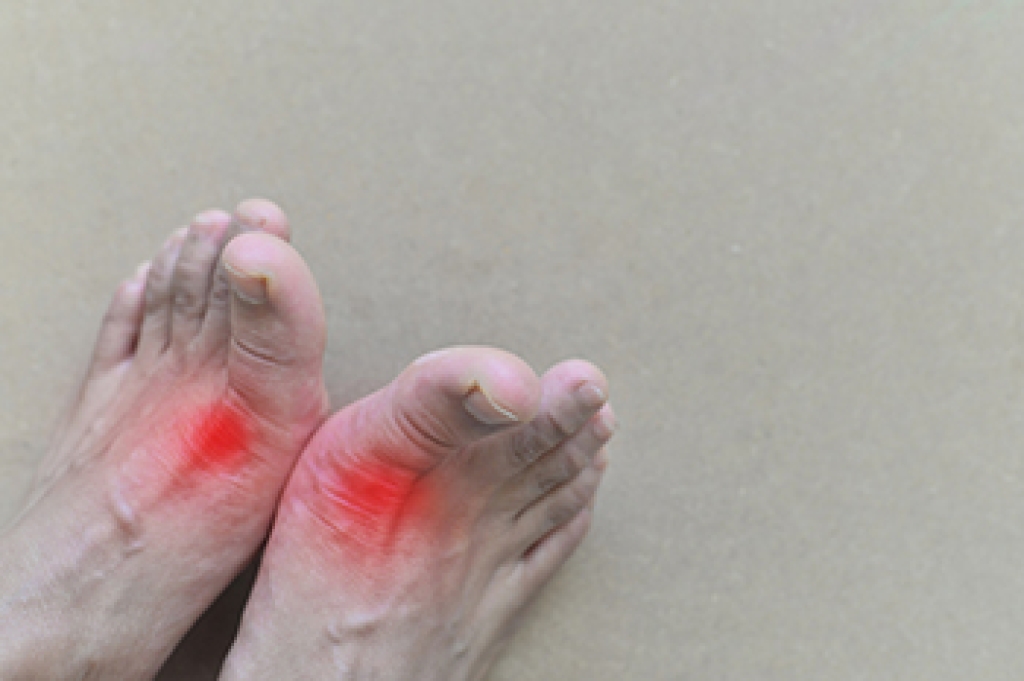
Gout is a type of arthritis caused by a buildup of uric acid in the bloodstream. It often develops in the foot, especially the big toe area, although it can manifest in other parts of the body as well. Gout can make walking and standing very painful and is especially common in diabetics and the obese.

People typically get gout because of a poor diet. Genetic predisposition is also a factor. The children of parents who have had gout frequently have a chance of developing it themselves.

Gout can easily be identified by redness and inflammation of the big toe and the surrounding areas of the foot. Other symptoms include extreme fatigue, joint pain, and running high fevers. Sometimes corticosteroid drugs can be prescribed to treat gout, but the best way to combat this disease is to get more exercise and eat a better diet.

If you have any questions, please feel free to contact our offices located in Northwest Chicago, Southwest Chicago, and Wicker Park, Chicago, IL . We offer the newest diagnostic and treatment technologies for all your foot care needs.
Read more about Gout

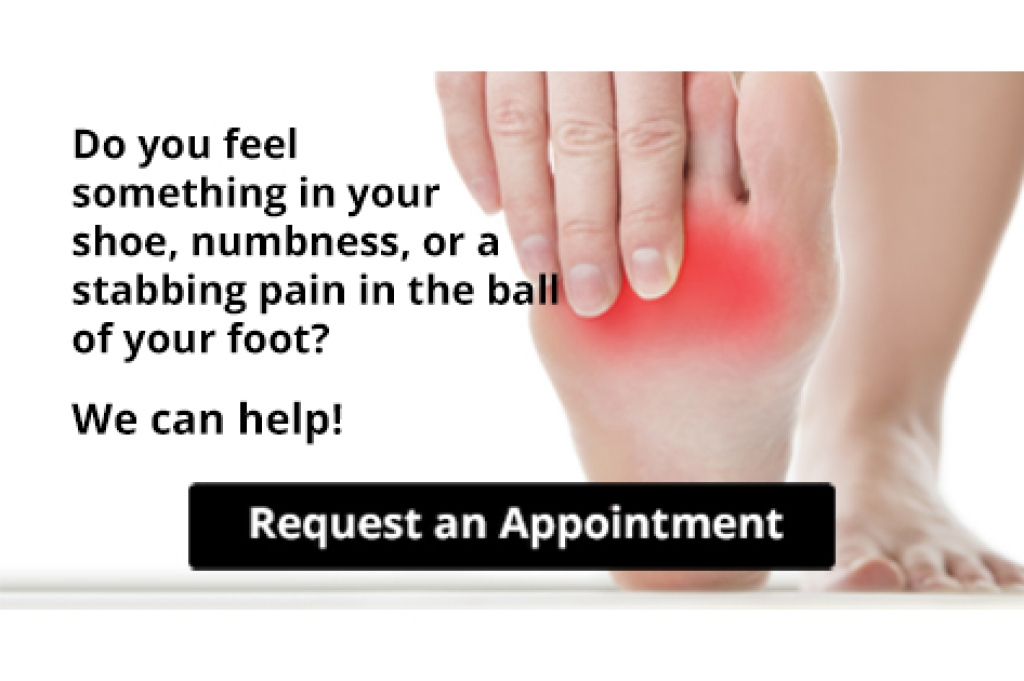
Why Live with Pain and Numbness in Your Feet?

Suffering from this type of pain? You may have the foot condition known as Morton's neuroma. Morton's neuroma may develop as a result of ill-fitting footwear and existing foot deformities. We can help.

Non-Diabetic Foot Ulcers

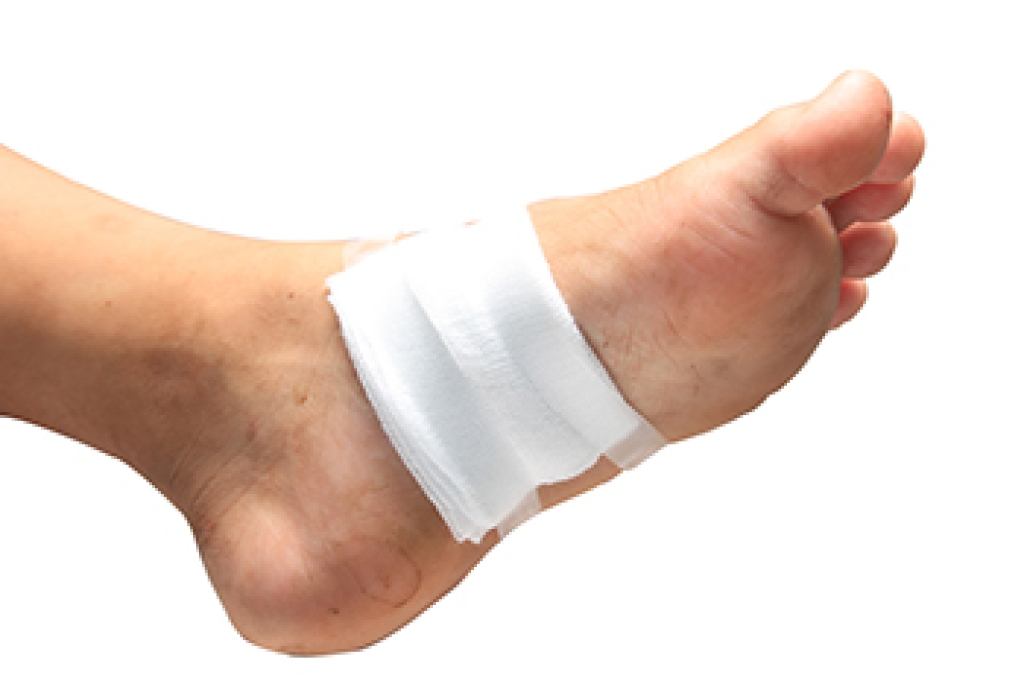
Non-diabetic foot ulcers are open sores or wounds that occur on the feet of individuals who do not have diabetes. While less common than diabetic foot ulcers, they still pose significant health risks. These ulcers can develop due to things like poor circulation, trauma, pressure, or infections. People at risk include those with peripheral artery disease, venous insufficiency, neuropathy, or autoimmune conditions. Additionally, lifestyle factors like smoking, obesity, and a sedentary lifestyle can increase the risk. Non-diabetic foot ulcers often manifest as painful lesions, typically on the bottom of the foot or toes. They require prompt medical attention to prevent complications such as infection or tissue damage. Treatment may involve wound care, infection management, pressure relief, and addressing underlying conditions contributing to ulcer formation. If you have sores on your feet that won't heal, it is strongly suggested that you schedule an appointment with a podiatrist as quickly as possible for a comprehensive treatment plan.

Wound care is an important part in dealing with diabetes. If you have diabetes and a foot wound or would like more information about wound care for diabetics, consult with one of our podiatrists from Dr. Jeffrey J. Betman & Associates . Our doctors will assess your condition and provide you with quality foot and ankle treatment.

What Is Wound Care?

Wound care is the practice of taking proper care of a wound. This can range from the smallest to the largest of wounds. While everyone can benefit from proper wound care, it is much more important for diabetics. Diabetics often suffer from poor blood circulation which causes wounds to heal much slower than they would in a non-diabetic. 

What Is the Importance of Wound Care?

While it may not seem apparent with small ulcers on the foot, for diabetics, any size ulcer can become infected. Diabetics often also suffer from neuropathy, or nerve loss. This means they might not even feel when they have an ulcer on their foot. If the wound becomes severely infected, amputation may be necessary. Therefore, it is of the upmost importance to properly care for any and all foot wounds.

How to Care for Wounds

The best way to care for foot wounds is to prevent them. For diabetics, this means daily inspections of the feet for any signs of abnormalities or ulcers. It is also recommended to see a podiatrist several times a year for a foot inspection. If you do have an ulcer, run the wound under water to clear dirt from the wound; then apply antibiotic ointment to the wound and cover with a bandage. Bandages should be changed daily and keeping pressure off the wound is smart. It is advised to see a podiatrist, who can keep an eye on it.

If you have any questions please contact our offices located in Northwest Chicago, Southwest Chicago, and Wicker Park, Chicago, IL . We offer the newest diagnostic and treatment technologies for all your foot and ankle needs.

Read more about Wound Care

Causes of Cold Feet and Poor Circulation

Cold feet can often signal poor circulation, a condition where blood flow to your extremities, especially the feet, is not adequate. There are several common causes of poor circulation in the feet. One is peripheral artery disease, where arteries narrow due to plaque buildup, reducing blood flow to your lower limbs. Diabetes can also contribute to poor circulation due to high blood sugar levels damaging blood vessels and nerves, leading to decreased sensation and blood flow. Additionally, conditions like Raynaud's disease cause blood vessels to narrow dramatically in response to cold or stress, further limiting blood flow. Smoking also worsens circulatory issues as it constricts blood vessels. It is important to get checked for any underlying health issues if you have circulatory issues in the feet and lower limbs. If you are experiencing cold feet on a regular basis, it is suggested that you consult a podiatrist, a foot doctor who can diagnose the source of the issue and offer treatment solutions for poor circulation. 

While poor circulation itself isn’t a condition; it is a symptom of another underlying health condition you may have. If you have any concerns with poor circulation in your feet contact one of our podiatrists of Dr. Jeffrey J. Betman & Associates . Our doctors will treat your foot and ankle needs.

Poor Circulation in the Feet

Peripheral artery disease (PAD) can potentially lead to poor circulation in the lower extremities. PAD is a condition that causes the blood vessels and arteries to narrow. In a linked condition called atherosclerosis, the arteries stiffen up due to a buildup of plaque in the arteries and blood vessels. These two conditions can cause a decrease in the amount of blood that flows to your extremities, therefore resulting in pain.

Symptoms

Some of the most common symptoms of poor circulation are:

  • Numbness
  • Tingling
  • Throbbing or stinging pain in limbs
  • Pain
  • Muscle Cramps

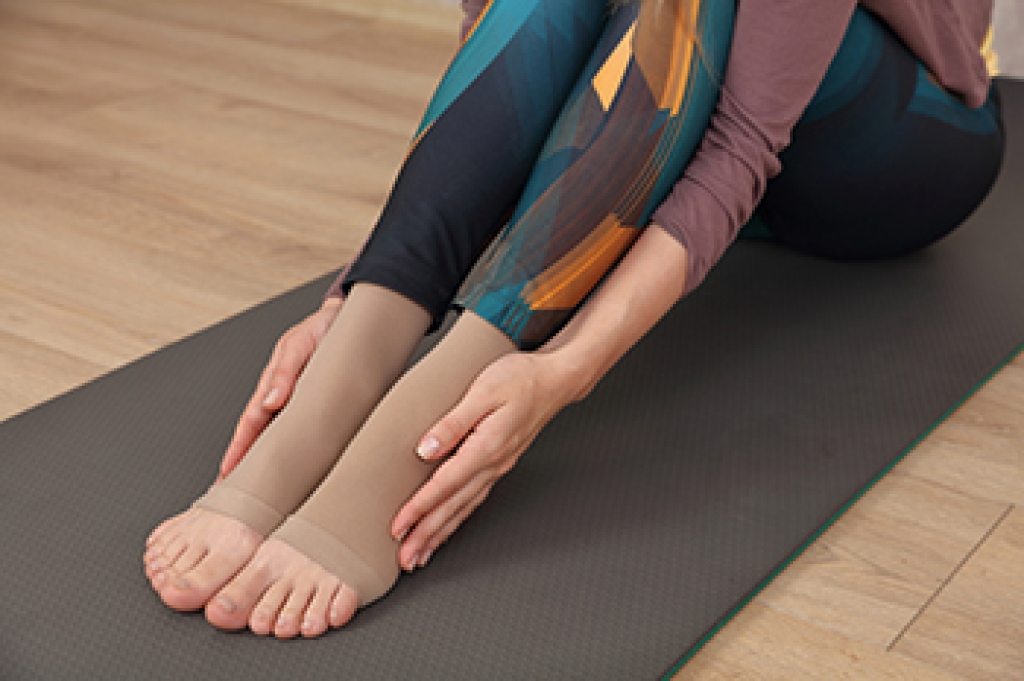
Treatment for poor circulation often depends on the underlying condition that causes it. Methods for treatment may include insulin for diabetes, special exercise programs, surgery for varicose veins, or compression socks for swollen legs.

As always, see a podiatrist as he or she will assist in finding a regimen that suits you. A podiatrist can also prescribe you any needed medication. 

If you have any questions, please feel free to contact our offices located in Northwest Chicago, Southwest Chicago, and Wicker Park, Chicago, IL . We offer the newest diagnostic and treatment technologies for all your foot care needs.
Read more about Causes Symptoms and Treatment for Poor Circulation in the Feet

Standing All Day at Work Can Cause Foot Pain

Prolonged periods of standing, a requirement for many jobs, can put stress on the feet. This can lead to pain, discomfort, and potential musculo-skeletal issues. Continuous pressure on the feet disrupts the natural distribution of weight and can compromise blood circulation, exacerbating foot pain. Other possible factors contributing to foot pain include the wrong shoes, injury, and poor posture. Over time, persistent strain from standing can result in the inflammation of the plantar fascia, the thick band of tissue that connects the heel bone to the toes, and cause conditions such as plantar fasciitis. Extended standing can also accelerate the formation of varicose veins, exacerbate the onset of joint degeneration, and encourage the development of flat feet, or fallen arches, due to the overstretching of muscles and ligaments. If you suspect foot pain due to working on your feet all day, it is suggested that you make an appointment with a podiatrist for diagnosis and treatment.

While working on the feet, it is important to take the proper care of them. For more information about working on your feet, contact one of our podiatrists from Dr. Jeffrey J. Betman & Associates . Our doctors will treat your foot and ankle needs.

Working on Your Feet

Standing on your feet for long periods of time can cause stress and pain in your feet. Your whole body may experience change in terms of posture, back pain, bunions, callouses and or plantar warts. There are ways to avoid these conditions with proper foot care, smart choices and correct posture.

Positive Changes

Negative heeled shoe – Choosing this shoe type places the heel slightly lower than the ball of the foot. These are great for overall foot health. Find shoes that fit you correctly.

Go barefoot – Our feet were not designed to be enclosed for all hours of the day. Try to periodically expose your feet to air.

Eliminate Pain

Foot Exercises – Performing simple exercises, incorporating yoga and doing stretches are beneficial. This will allow increased blood flow to the area and muscles of the foot.

Achilles tendon – Stretching the foot out flat on the floor will relax the calf muscles and tendon. These exercises can be performed almost anywhere. Make sure you add these exercises to your daily regimen. 

With a little bit of this information and knowing more about foot health, you will notice changes. Foot stretches and proper footwear will help with pain and prevent further issues.

If you have any questions please contact our offices located in Northwest Chicago, Southwest Chicago, and Wicker Park, Chicago, IL . We offer the newest diagnostic and treatment technologies for all your foot and ankle needs.

Read more about How to Handle a Long Work Day on Your Feet

Connect With Us