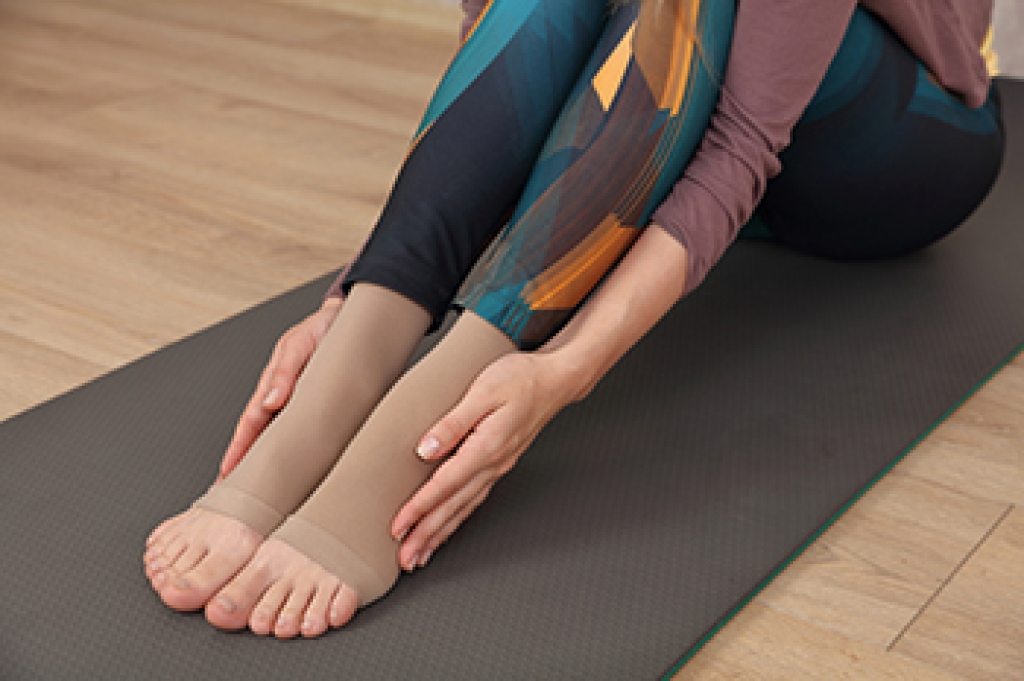
Causes of Cold Feet and Poor Circulation

Cold feet can often signal poor circulation, a condition where blood flow to your extremities, especially the feet, is not adequate. There are several common causes of poor circulation in the feet. One is peripheral artery disease, where arteries narrow due to plaque buildup, reducing blood flow to your lower limbs. Diabetes can also contribute to poor circulation due to high blood sugar levels damaging blood vessels and nerves, leading to decreased sensation and blood flow. Additionally, conditions like Raynaud's disease cause blood vessels to narrow dramatically in response to cold or stress, further limiting blood flow. Smoking also worsens circulatory issues as it constricts blood vessels. It is important to get checked for any underlying health issues if you have circulatory issues in the feet and lower limbs. If you are experiencing cold feet on a regular basis, it is suggested that you consult a podiatrist, a foot doctor who can diagnose the source of the issue and offer treatment solutions for poor circulation. 

While poor circulation itself isn’t a condition; it is a symptom of another underlying health condition you may have. If you have any concerns with poor circulation in your feet contact one of our podiatrists of Dr. Jeffrey J. Betman & Associates . Our doctors will treat your foot and ankle needs.

Poor Circulation in the Feet

Peripheral artery disease (PAD) can potentially lead to poor circulation in the lower extremities. PAD is a condition that causes the blood vessels and arteries to narrow. In a linked condition called atherosclerosis, the arteries stiffen up due to a buildup of plaque in the arteries and blood vessels. These two conditions can cause a decrease in the amount of blood that flows to your extremities, therefore resulting in pain.

Symptoms

Some of the most common symptoms of poor circulation are:

  • Numbness
  • Tingling
  • Throbbing or stinging pain in limbs
  • Pain
  • Muscle Cramps

Treatment for poor circulation often depends on the underlying condition that causes it. Methods for treatment may include insulin for diabetes, special exercise programs, surgery for varicose veins, or compression socks for swollen legs.

As always, see a podiatrist as he or she will assist in finding a regimen that suits you. A podiatrist can also prescribe you any needed medication. 

If you have any questions, please feel free to contact our offices located in Northwest Chicago, Southwest Chicago, and Wicker Park, Chicago, IL . We offer the newest diagnostic and treatment technologies for all your foot care needs.

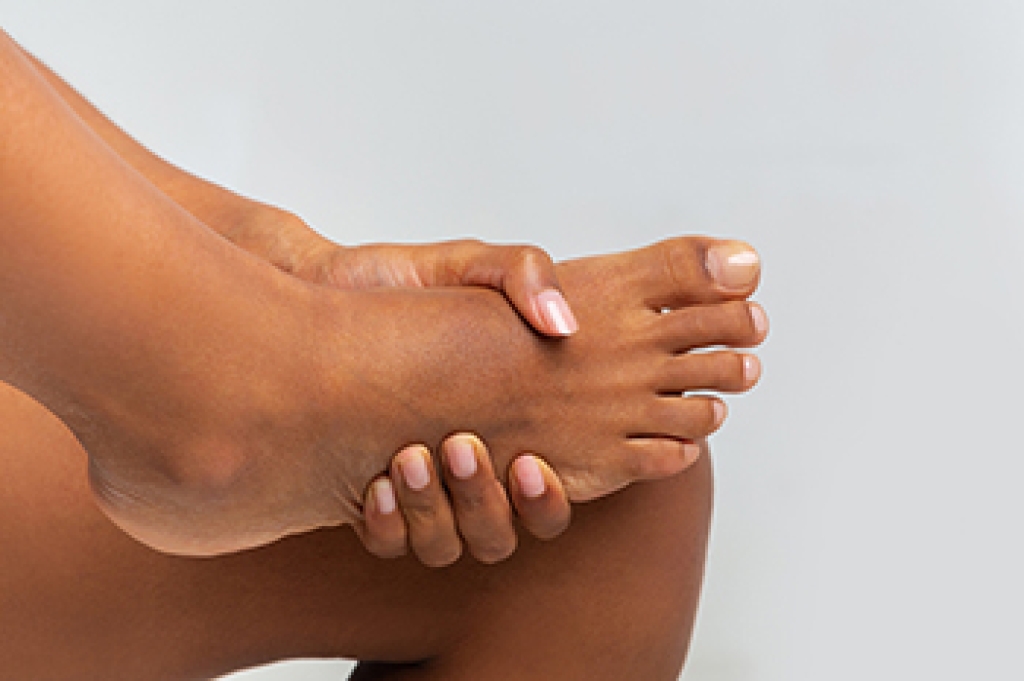
Read more about Causes Symptoms and Treatment for Poor Circulation in the Feet

Standing All Day at Work Can Cause Foot Pain

Prolonged periods of standing, a requirement for many jobs, can put stress on the feet. This can lead to pain, discomfort, and potential musculo-skeletal issues. Continuous pressure on the feet disrupts the natural distribution of weight and can compromise blood circulation, exacerbating foot pain. Other possible factors contributing to foot pain include the wrong shoes, injury, and poor posture. Over time, persistent strain from standing can result in the inflammation of the plantar fascia, the thick band of tissue that connects the heel bone to the toes, and cause conditions such as plantar fasciitis. Extended standing can also accelerate the formation of varicose veins, exacerbate the onset of joint degeneration, and encourage the development of flat feet, or fallen arches, due to the overstretching of muscles and ligaments. If you suspect foot pain due to working on your feet all day, it is suggested that you make an appointment with a podiatrist for diagnosis and treatment.

While working on the feet, it is important to take the proper care of them. For more information about working on your feet, contact one of our podiatrists from Dr. Jeffrey J. Betman & Associates . Our doctors will treat your foot and ankle needs.

Working on Your Feet

Standing on your feet for long periods of time can cause stress and pain in your feet. Your whole body may experience change in terms of posture, back pain, bunions, callouses and or plantar warts. There are ways to avoid these conditions with proper foot care, smart choices and correct posture.

Positive Changes

Negative heeled shoe – Choosing this shoe type places the heel slightly lower than the ball of the foot. These are great for overall foot health. Find shoes that fit you correctly.

Go barefoot – Our feet were not designed to be enclosed for all hours of the day. Try to periodically expose your feet to air.

Eliminate Pain

Foot Exercises – Performing simple exercises, incorporating yoga and doing stretches are beneficial. This will allow increased blood flow to the area and muscles of the foot.

Achilles tendon – Stretching the foot out flat on the floor will relax the calf muscles and tendon. These exercises can be performed almost anywhere. Make sure you add these exercises to your daily regimen. 

With a little bit of this information and knowing more about foot health, you will notice changes. Foot stretches and proper footwear will help with pain and prevent further issues.

If you have any questions please contact our offices located in Northwest Chicago, Southwest Chicago, and Wicker Park, Chicago, IL . We offer the newest diagnostic and treatment technologies for all your foot and ankle needs.

Read more about How to Handle a Long Work Day on Your Feet

Causes of Forefoot Pain

The forefoot consists of various bones, ligaments, tendons, muscles, nerves, and blood vessels, any of which can experience pain. Three main conditions are contributors to forefoot pain. First is metatarsalgia, or discomfort in the ball of the foot. This condition is often triggered by intense athletic training or wearing ill fitting shoes, causing misalignment of bones or spending too much time on the feet. Second, sesamoiditis results from inflammation of tendons that support the two small sesamoid bones, just under the big toe. Inflammation affects weight bearing and inhibits movement of the big toe. Sesamoiditis is common among runners and dancers. Third is Morton’s neuroma, characterized by a thickening of the tissue surrounding the nerves near the toes. This causes burning pain and numbness, and is generally felt between the third and fourth toes. It can worsen by wearing inappropriate footwear or participating in high-impact activities. For advice with any of these painful forefoot ailments, it is suggested that you schedule an appointment with a podiatrist for an accurate diagnosis and tailored treatment plans. 

Foot Pain

Foot pain can be extremely painful and debilitating. If you have a foot pain, consult with one of our podiatrists from Dr. Jeffrey J. Betman & Associates . Our doctors will assess your condition and provide you with quality foot and ankle treatment.

Causes

Foot pain is a very broad condition that could be caused by one or more ailments. The most common include:

  • Bunions
  • Hammertoes
  • Plantar Fasciitis
  • Bone Spurs
  • Corns
  • Tarsal Tunnel Syndrome
  • Ingrown Toenails
  • Arthritis (such as Gout, Rheumatoid, and Osteoarthritis)
  • Flat Feet
  • Injury (from stress fractures, broken toe, foot, ankle, Achilles tendon ruptures, and sprains)
  • And more

Diagnosis

To figure out the cause of foot pain, podiatrists utilize several different methods. This can range from simple visual inspections and sensation tests to X-rays and MRI scans. Prior medical history, family medical history, and any recent physical traumatic events will all be taken into consideration for a proper diagnosis.

Treatment

Treatment depends upon the cause of the foot pain. Whether it is resting, staying off the foot, or having surgery; podiatrists have a number of treatment options available for foot pain.

If you have any questions, please feel free to contact our offices located in Northwest Chicago, Southwest Chicago, and Wicker Park, Chicago, IL . We offer the newest diagnostic and treatment technologies for all your foot care needs.

Read more about Foot Pain

Possible Relief for Chronic Pain After Ankle Sprains

Managing chronic ankle pain after spraining an ankle can be frustrating, but there are effective treatments that can help alleviate discomfort and enhance recovery. A podiatrist will typically conduct a thorough assessment to understand the specific issues contributing to the chronic pain. Treatment may involve targeted exercises to strengthen the ankle, improve flexibility, and enhance overall stability. Supportive interventions, like ankle braces or orthotic inserts, can provide additional support, promoting proper alignment and reducing strain on the affected area. Podiatrists may also recommend anti-inflammatory medications to manage pain. Rehabilitation plans are tailored toward the individual and their unique injury, addressing the root cause of the ankle pain. If you are experiencing pain after an ankle sprain, it is suggested you schedule an appointment with a podiatrist who can examine your ankle and create the right treatment plan for you. 

Ankle pain can have many different causes and the pain may potentially be serious. If you have ankle pain, consult with one of our podiatrists from Dr. Jeffrey J. Betman & Associates . Our doctors will assess your condition and provide you with quality foot and ankle treatment.

Ankle pain is any condition that causes pain in the ankle. Due to the fact that the ankle consists of tendons, muscles, bones, and ligaments, ankle pain can come from a number of different conditions.

Causes

The most common causes of ankle pain include:

  • Types of arthritis (rheumatoid, osteoarthritis, and gout)
  • Ankle sprains
  • Broken ankles
  • Achilles tendinitis
  • Achilles tendon rupture
  • Stress fractures
  • Tarsal tunnel syndrome
  • Plantar fasciitis

Symptoms

Symptoms of ankle injury vary based upon the condition. Pain may include general pain and discomfort, swelling, aching, redness, bruising, burning or stabbing sensations, and/or loss of sensation.

Diagnosis

Due to the wide variety of potential causes of ankle pain, podiatrists will utilize a number of different methods to properly diagnose ankle pain. This can include asking for personal and family medical histories and of any recent injuries. Further diagnosis may include sensation tests, a physical examination, and potentially x-rays or other imaging tests.

Treatment

Just as the range of causes varies widely, so do treatments. Some more common treatments are rest, ice packs, keeping pressure off the foot, orthotics and braces, medication for inflammation and pain, and surgery.

If you have any questions please feel free to contact our offices located in Northwest Chicago, Southwest Chicago, and Wicker Park, Chicago, IL . We offer the newest diagnostic tools and technology to treat your foot and ankle needs.

Read more about Ankle Pain

Are You Suffering From Ingrown Toenails?

If left untreated, an ingrown toenail can lead to more serious concerns, such as an infection. Knowing proper nail care can help in the prevention of an ingrown toenail. Give us a call, and get treated!

Connect With Us