Corns and Pain

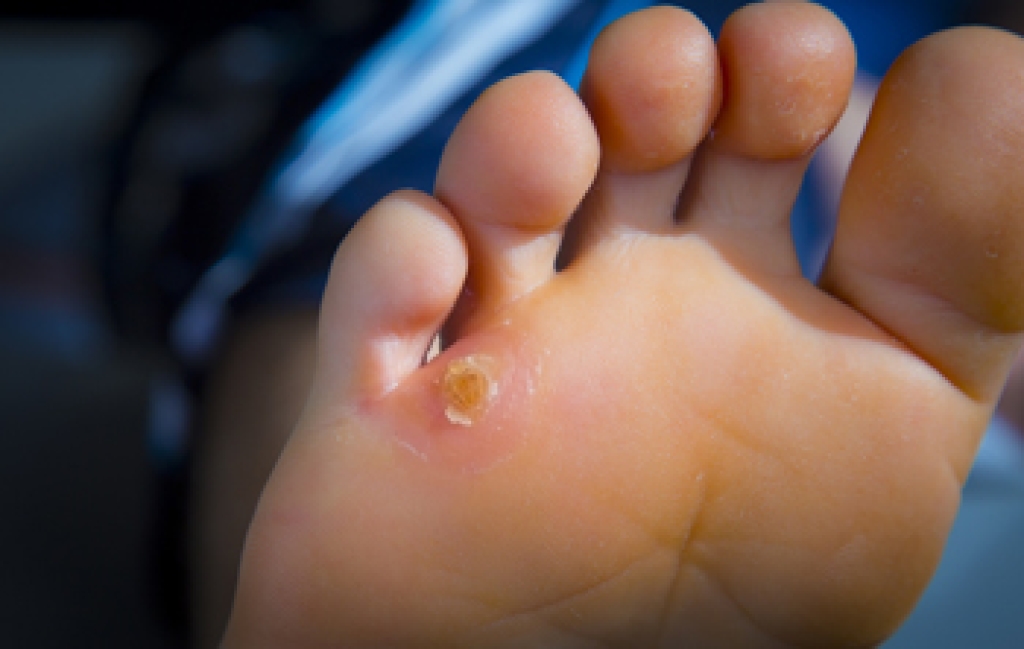
The health of your feet can be compromised by a condition known as corns of the feet. Corns are a type of callus that can develop on the feet, and they are usually composed of dead skin cells. Corns typically occur as a result of pressure and/or friction being applied to an area of the foot. There are several different kinds of corns that may develop on your feet. For example, you may have hard corns, soft corns, or seed corns. In some cases, the corns on your feet may be causing discomfort and pain. While seed corns are not typically painful, for instance, soft corns can cause pain. If you have a corn, it is important for you to be mindful of any pain you feel. If the corn becomes especially painful, or if it is red and leaking liquid of some sort, it is a good idea to seek out medical attention as soon as possible. Podiatrists specialize in maintaining the health of the feet and are particularly equipped to help you with your corns. Therefore, if you are experiencing a significant amount of pain in your feet due to a corn, it is suggested that you contact a podiatrist as soon as you can, who will help you identify and address the problem.

If you have any concerns regarding your feet and ankles, contact one of our podiatrists of Dr. Jeffrey J. Betman & Associates . Our doctors will treat your foot and ankle needs.

Corns: What Are They? and How Do You Get Rid of Them?
Corns can be described as areas of the skin that have thickened to the point of becoming painful or irritating. They are often layers and layers of the skin that have become dry and rough, and are normally smaller than calluses.

Ways to Prevent Corns
There are many ways to get rid of painful corns such as wearing:

  • Well-fitting socks
  • Comfortable shoes that are not tight around your foot
  • Shoes that offer support

Treating Corns
Treatment of corns involves removing the dead skin that has built up in the specific area of the foot. Consult with Our doctors to determine the best treatment option for your case of corns.

If you have any questions, please feel free to contact our offices located in Northwest Chicago, Southwest Chicago, and Wicker Park, Chicago, IL . We offer the newest diagnostic and treatment technologies for all your foot care needs.

Read more about Corns and Calluses

Stay Safe While Being Active This Summer

For many, summertime means time to get out and get active. Before trying a new sport or physical activity, be sure to properly stretch and gradually increase intensity to prevent injuries.

If you need treatment for an injury or would like to learn about injury prevention, schedule an appointment.

Reasons for Wearing Custom Orthotics

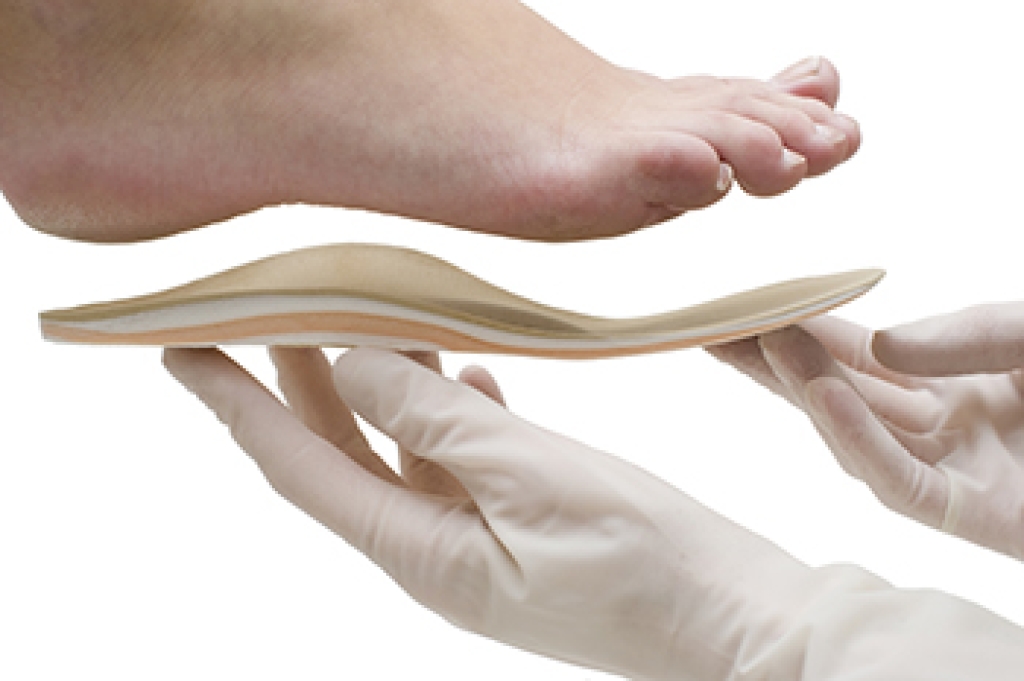
The marketplace is filled with shoe inserts of every description, but if they cannot address what is troubling your feet, it may be time to consider getting custom orthotics. These inserts will be designed and manufactured specifically to fit your foot and correct the issues that may be causing problems. For example, custom orthotics can be made to adjust how you walk (gait), reduce pain, and provide support (in the arch, for instance). They can reduce pressure to a certain part of the foot and improve foot alignment. To begin the process, please consult a podiatrist who will assess your foot mechanics to determine the cause of the problem. Next, an X-ray or ultrasound test may be administered. Finally, an impression of your foot will be made to create a mold that mirrors the precise shape and configuration of your foot. The result will be a shoe insert that addresses the specific needs of your foot. 

If you are having discomfort in your feet and would like to try orthotics, contact one of our podiatrists from Dr. Jeffrey J. Betman & Associates . Our doctors can provide the care you need to keep you pain-free and on your feet.

What Are Orthotics?

Orthotics are inserts you can place into your shoes to help with a variety of foot problems such as flat feet or foot pain. Orthotics provide relief and comfort for minor foot and heel pain but can’t correct serious biomechanical problems in your feet.

Over-the-Counter Inserts

Orthotics come in a wide variety of over-the-counter inserts that are used to treat foot pain, heel pain, and minor problems. For example, arch supports can be inserted into your shoes to help correct overarched or flat feet, while gel insoles are often used because they provide comfort and relief from foot and heel pain by alleviating pressure.

Prescription Orthotics

If over-the-counter inserts don’t work for you or if you have a more severe foot concern, it is possible to have your podiatrist prescribe custom orthotics. These high-quality inserts are designed to treat problems such as abnormal motion, plantar fasciitis, and severe forms of heel pain. They can even be used to help patients suffering from diabetes by treating foot ulcers and painful calluses and are usually molded to your feet individually, which allows them to provide full support and comfort.

If you are experiencing minor to severe foot or heel pain, it’s recommended to speak with your podiatrist about the possibilities of using orthotics. A podiatrist can determine which type of orthotic is right for you and allow you to take the first steps towards being pain-free.

If you have any questions, please feel free to contact our offices located in Northwest Chicago, Southwest Chicago, and Wicker Park, Chicago, IL . We offer the newest diagnostic and treatment technologies for all your foot care needs.

Read more about Foot Orthotics

When Do Feet Stop Growing?

The feet are considered to be the foundation of the body. Their function is to provide stability and balance to the body, in addition to making it possible to stand, walk and run. Children’s feet grow rapidly to keep up with the rest of their bodies, and will grow faster during puberty. As the child approaches adulthood, the bones in the feet become larger, and will continue to grow until the age of approximately twenty. There are 26 bones in each foot, and the bones in both feet add up to one quarter of the bones in the body. An interesting fact is the feet have the most sweat glands per square centimeter, and 125,000 of them are located on each sole. Additionally, the feet have 8000 nerve endings, and this can contribute to the feet being one of the most ticklish areas of the body. Research has indicated that toenails grow slower than fingernails, and a toenail can take 12 to 18 months to fully grow. If you would like to know more about foot structure, and interesting information about the feet, please consult with a podiatrist. 

If you have any concerns about your feet, contact one of our podiatrists from Dr. Jeffrey J. Betman & Associates . Our doctors can provide the care you need to keep you pain-free and on your feet.

Biomechanics in Podiatry

Podiatric biomechanics is a particular sector of specialty podiatry with licensed practitioners who are trained to diagnose and treat conditions affecting the foot, ankle and lower leg. Biomechanics deals with the forces that act against the body, causing an interference with the biological structures. It focuses on the movement of the ankle, the foot and the forces that interact with them.

A History of Biomechanics

  • Biomechanics dates back to the BC era in Egypt where evidence of professional foot care has been recorded.
  • In 1974, biomechanics gained a higher profile from the studies of Merton Root, who claimed that by changing or controlling the forces between the ankle and the foot, corrections or conditions could be implemented to gain strength and coordination in the area.

Modern technological improvements are based on past theories and therapeutic processes that provide a better understanding of podiatric concepts for biomechanics. Computers can provide accurate information about the forces and patterns of the feet and lower legs.

Understanding biomechanics of the feet can help improve and eliminate pain, stopping further stress to the foot.

If you have any questions please feel free to contact our offices located in Northwest Chicago, Southwest Chicago, and Wicker Park, Chicago, IL . We offer the newest diagnostic and treatment technologies for all your foot and ankle needs.

Read more about The Importance of Biomechanics in Podiatry

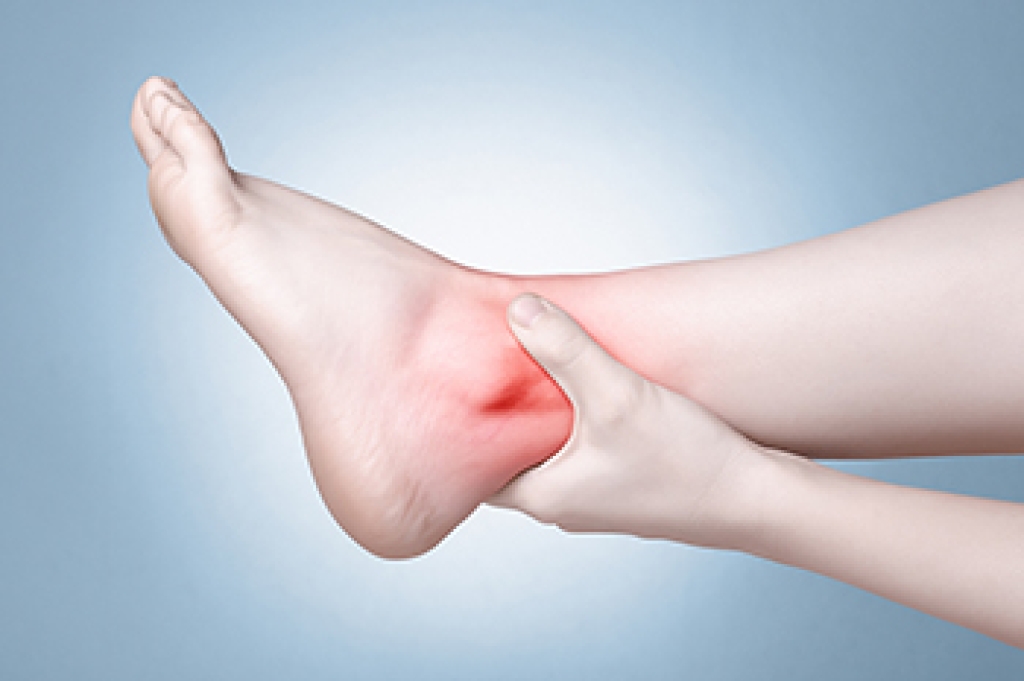
Ganglion Cysts Can Sometimes Cause Ankle Pain

Fluid-filled ganglion cysts are benign masses that can develop in tissue surrounding a tendon as well as in other locations. Ganglion cysts in the feet can occur on top of the foot or in the ankle and are sometimes visible on the skin. If they press against a tendon, joint, or footwear, they can be painful. It is a good idea to have your podiatrist evaluate and diagnose any growth that is causing pain in your ankle or elsewhere on your feet whether or not you suspect a ganglion cyst. They will typically monitor the growth and may prescribe custom orthotics or footwear modifications to alleviate pressure being placed on it. If the cyst becomes overly painful or bothersome, your podiatrist may try aspirating it or using steroid injections to shrink it. A surgical treatment may prove beneficial if the cyst returns or is non-responsive to more conservative treatments. 

Ankle pain can be caused by a number of problems and may be potentially serious. If you have ankle pain, consult with one of our podiatrists from Dr. Jeffrey J. Betman & Associates . Our doctors will assess your condition and provide you with quality foot and ankle treatment.

Ankle pain is any condition that causes pain in the ankle. Due to the fact that the ankle consists of tendons, muscles, bones, and ligaments, ankle pain can come from a number of different conditions.

Causes

The most common causes of ankle pain include:

  • Types of arthritis (rheumatoid, osteoarthritis, and gout)
  • Ankle sprains
  • Broken ankles
  • Achilles tendonitis
  • Achilles tendon rupture
  • Stress fractures
  • Bursitis
  • Tarsal tunnel syndrome
  • Plantar fasciitis

Symptoms

Symptoms of ankle injury vary based upon the condition. Pain may include general pain and discomfort, swelling, aching, redness, bruising, burning or stabbing sensations, and/or loss of sensation.

Diagnosis

Due to the wide variety of potential causes of ankle pain, podiatrists will utilize a number of different methods to properly diagnose ankle pain. This can include asking for personal and family medical histories and of any recent injuries. Further diagnosis may include sensation tests, a physical examination, and potentially x-rays or other imaging tests.

Treatment

Just as the range of causes varies widely, so do treatments. Some more common treatments are rest, ice packs, keeping pressure off the foot, orthotics and braces, medication for inflammation and pain, and surgery.

If you have any questions please feel free to contact our offices located in Northwest Chicago, Southwest Chicago, and Wicker Park, Chicago, IL . We offer the newest diagnostic tools and technology to treat your foot and ankle needs.

Read more about Ankle Pain

Connect With Us