Types of Toenail Fungus

Toenail fungus, medically termed onychomycosis or tinea unguium, is a common fungal infection that affects approximately 14 percent of people, as reported by the Centers for Disease Control and Prevention. While typically not a serious health concern, toenail fungus can cause cosmetic issues as well as discomfort. There are various types of toenail fungus, each with distinct characteristics in symptoms and appearance. The most prevalent form is subungual onychomycosis, characterized by nail lifting, discoloration, and crumbling of the toenail. White superficial onychomycosis causes white, flaky patches on the nail surface, potentially progressing to rough and crumbly nails. Candida onychomycosis, caused by yeast, is more common in individuals with conditions like diabetes or compromised immune systems. This type of toenail fungus shows symptoms such as rough nails, surface breakdown, and soft tissue infection. An accurate diagnosis by a podiatrist is essential to determine the type of toenail fungus you may have incurred. With proper care and timely intervention, toenail fungus can be effectively managed. If you suspect you have a toenail fungus, it is suggested that you schedule an appointment with a podiatrist for an exam and treatment options appropriate to the cause.

For more information about treatment, contact one of our podiatrists of Dr. Jeffrey J. Betman & Associates . Our doctors can provide the care you need to keep you pain-free and on your feet.

Toenail Fungus Treatment

Toenail fungus is a condition that affects many people and can be especially hard to get rid of. Fortunately, there are several methods to go about treating and avoiding it.

Antifungals & Deterrence

Oral antifungal medicine has been shown to be effective in many cases. It is important to consult with a podiatrist to determine the proper regiment for you, or potentially explore other options.

Applying foot powder on the feet and shoes helps keep the feet free of moisture and sweat.

Sandals or open toed shoes – Wearing these will allow air movement and help keep feet dry. They also expose your feet to light, which fungus cannot tolerate. Socks with moisture wicking material also help as well.

If you have any questions please contact our offices located in Northwest Chicago, Southwest Chicago, and Wicker Park, Chicago, IL . We offer the newest diagnostic and treatment technologies for all your foot and ankle needs.

Read more about How to Treat Your Toenail Fungus

Pain Management for Cracked Heels

Effective pain management for cracked heels, or heel fissures, is essential to alleviate discomfort and promote healing. Cracked heels often occur due to dry skin, lack of moisture, or underlying medical conditions. To address the pain associated with this condition, several strategies can be employed. Moisturization is key. Exfoliation can also help, but excessive scrubbing can worsen the condition. Foot soaks in warm water can soften the skin and provide relief. Well-fitting footwear with adequate cushioning plays a role in pain management as well. Avoid open-back shoes or sandals that may exacerbate the issue. Heel cups or orthotic insoles may help reduce pressure on the cracked areas and provide additional support. If you have persistent cracked heels or they appear infected, it is suggested that you schedule an appointment with a podiatrist who can provide relief and additional treatment options.

If the skin on your feet starts to crack, you may want to see a podiatrist to find treatment. If you have any concerns, contact one of our podiatrists from Dr. Jeffrey J. Betman & Associates . Our doctors can provide the care you need to keep you pain-free and on your feet.

Cracked Heels

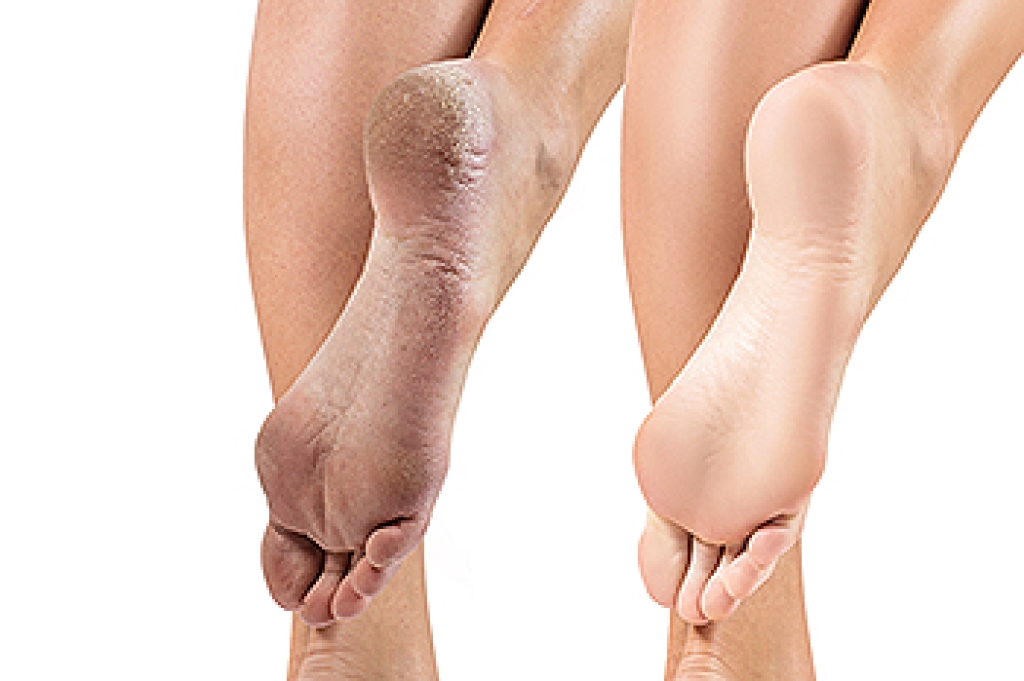
It is important to moisturize your cracked heels in order to prevent pain, bleeding, and infection. The reason cracked heels form is because the skin on the foot is too dry to support the immense pressure placed on them. When the foot expands, the dry skin on the foot begins to split.

Ways to Help Heal Them

  • Invest in a good foot cream
  • Try Using Petroleum Jelly
  • Ease up on Soaps
  • Drink Plenty of Water

Ways to Prevent Cracked Heels

  • Moisturize After Showering
  • Skip a Shower
  • Keep Shower Water Lukewarm
  • Don’t Scrub Your Feet

If you are unsure how to proceed in treating cracked heels, seek guidance from a podiatrist. Your doctor will help you with any questions or information you may need. 

If you have any questions, please feel free to contact our offices located in Northwest Chicago, Southwest Chicago, and Wicker Park, Chicago, IL . We offer the newest diagnostic and treatment technologies for all your foot care needs.

Read more about Solutions for Cracked Heels

Heel Pain in Middle-Aged and Older Adults

Heel pain is a common and debilitating issue that often affects middle-aged and older adults. This condition, often attributed to plantar fasciitis, can have a significant impact on the quality of life for individuals in these age groups. As people age, the tissues in their feet, including the plantar fascia, tend to lose elasticity and become more prone to inflammation and injury. This can lead to the development of heel pain, characterized by discomfort and tenderness in the bottom of the heel, particularly in the morning or after periods of rest. Several factors contribute to heel pain in middle-aged and older adults, including changes in foot structure, reduced flexibility, and the cumulative effects of wear and tear on the feet over time. Additionally, chronic conditions like osteoarthritis, diabetes, and vascular issues can exacerbate heel pain in this population. Managing heel pain in middle and older adults often involves a combination of conservative treatments, such as proper footwear, orthotics, stretching exercises, and anti-inflammatory medications. In some cases, medical interventions like corticosteroid injections may be necessary to alleviate the pain and improve mobility. If you are in this age group and suffer from heel pain, it is suggested that you consult with a podiatrist for a proper diagnosis and relief options.

Many people suffer from bouts of heel pain. For more information, contact one of our podiatrists of Dr. Jeffrey J. Betman & Associates . Our doctors can provide the care you need to keep you pain-free and on your feet.

Causes of Heel Pain

Heel pain is often associated with plantar fasciitis. The plantar fascia is a band of tissues that extends along the bottom of the foot. A rip or tear in this ligament can cause inflammation of the tissue.

Achilles tendonitis is another cause of heel pain. Inflammation of the Achilles tendon will cause pain from fractures and muscle tearing. Lack of flexibility is also another symptom.

Heel spurs are another cause of pain. When the tissues of the plantar fascia undergo a great deal of stress, it can lead to ligament separation from the heel bone, causing heel spurs.

Why Might Heel Pain Occur?

  • Wearing ill-fitting shoes                
  • Wearing non-supportive shoes
  • Weight change           
  • Excessive running

Treatments

Heel pain should be treated as soon as possible for immediate results. Keeping your feet in a stress-free environment will help. If you suffer from Achilles tendonitis or plantar fasciitis, applying ice will reduce the swelling. Stretching before an exercise like running will help the muscles. Using all these tips will help make heel pain a condition of the past.

If you have any questions, please feel free to contact our offices located in Northwest Chicago, Southwest Chicago, and Wicker Park, Chicago, IL . We offer the newest diagnostic and treatment technologies for all your foot care needs.

Read more about Heel Pain

Are Bunions Affecting Your Everyday Life?

Have you noticed a bony protrusion on the side of your big toe? If so, you may have developed the foot condition known as a bunion. Don't let bunions interfere with your daily activities.

Definition and Causes of Plantar Fibroma

Plantar fibroma, a condition affecting the connective tissue in the foot, is characterized by the development of noncancerous nodules, or fibromas, in the arch of the foot. These fibromas arise from the plantar fascia, a band of tissue supporting the arch, and gradually lead to the formation of firm, sometimes painful lumps. The exact cause of plantar fibromas remains elusive, but factors like genetic predisposition, trauma, or inflammation of the plantar fascia are believed to contribute. Overuse or strain on the feet, coupled with genetic susceptibility, may trigger the abnormal growth of fibrous tissue. Unlike other foot conditions, plantar fibromas do not typically involve viral or bacterial infections. Understanding the definition and potential causes of plantar fibroma is vital for early recognition and management. If you have symptoms of this condition, it is suggested that you confer with a podiatrist who can accurately diagnose and treat plantar fibromas. 

A plantar fibroma may disrupt your daily activities. If you have any concerns, contact one of our podiatrists of Dr. Jeffrey J. Betman & Associates . Our doctors can provide the care you need to keep you pain-free and on your feet.

Plantar Fibroma

A plantar fibroma is a fibrous knot in the arch of the foot. It is embedded in the plantar fascia which is a band of tissue that extends from the heel to the toes along the bottom of the foot. There can be multiple plantar fibromas in the feet at the same time. There are no known causes for this condition. If you have a plantar fibroma, there will be a bump in the arch of your foot that cannot be missed. Any associated pain is most often due to a shoe rubbing against the nodule. Non-surgical options, such as steroid injections, physical therapy, and orthotics should be tried first. Surgery is a last resort and is the only thing that will remove a plantar fibroma entirely. Consult with a podiatrist for a proper diagnosis and to determine the treatment regimen that is right for you.

What Causes a Plantar Fibroma?

While there are no specific causes identified, a plantar fibroma can possibly come from genetic predisposition or the formation of scar tissue that forms from healing the tears in the plantar fascia.

What Are the Symptoms of a Plantar Fibroma?

There will be a noticeable lump in the arch of the foot that may or may not cause pain. If pain is felt, it is typically because a shoe is rubbing up against the lump or when walking or standing barefoot.

Treatment and Prevention

A plantar fibroma will not disappear without treatment, but it can get smaller and be a non-issue. If pain persists, a podiatrist examines the foot and when the arch of the foot is pressed, pain can be felt down to the toes. An MRI or biopsy might be performed to help diagnose or evaluate the plantar fibroma. The following non-surgical options are generally enough to reduce the size and pain of these nodules:

  • Steroid injections
  • Orthotics
  • Physical therapy to help apply anti-inflammatory creams on the bump 

Surgery is considered if the mass increases in size and the patient continues to feel pain after non-surgical methods are tried.

If you have any questions, please feel free to contact our offices located in Northwest Chicago, Southwest Chicago, and Wicker Park, Chicago, IL . We offer the newest diagnostic and treatment technologies for all your foot care needs.

Read more about Plantar Fibroma

Connect With Us