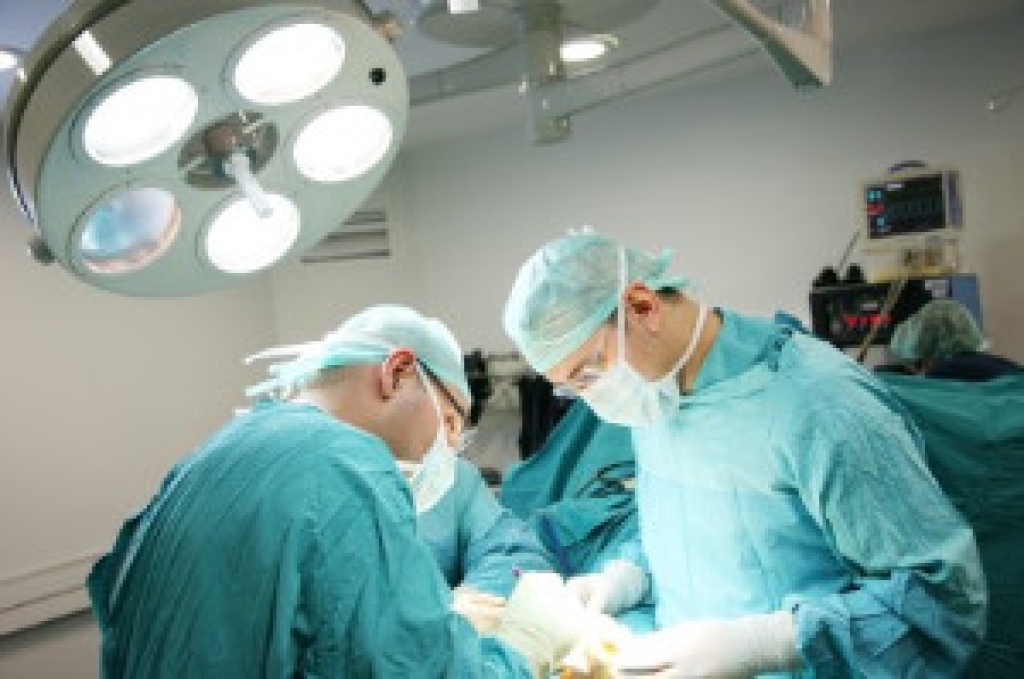
Various Types of Bunion Surgery

A bunion is a bony lump that forms on the side of the big toe. It can become larger, and cause the other toes to move toward each other. Patients who have bunions and find difficulty in completing daily activities may choose to have bunion surgery performed. A bunion can be caused by genetic reasons, or from frequently wearing shoes that are too tight. Foot surgery may be considered, which may be successful in removing the bunion. This is referred to as a bunionectomy, and can be chosen if pain relief is not obtained from nonsurgical methods. After local anesthesia is administered, the podiatrist can determine which type of bunion surgery is best for you. When the joint in the big toe is cut and realigned, this is referred to as an osteotomy. An exostectomy is defined as surgery that removes the bunion and the toe is not aligned. When the deformity is corrected by using metal places or screws, this type of bunion surgery is known as an arthrodesis. If you have a bunion, and are considering surgery, it is strongly suggested that you are under the care of a podiatrist who can determine which type of foot surgery is correct for you.

Foot surgery is sometimes necessary to treat a foot ailment. To learn more, contact one of our podiatrists of Dr. Jeffrey J. Betman & Associates . Our doctors will assist you with all of your foot and ankle needs.

When Is Surgery Necessary?

Foot and ankle surgery is generally reserved for cases in which less invasive, conservative procedures have failed to alleviate the problem. Some of the cases in which surgery may be necessary include:

  • Removing foot deformities like bunions and bone spurs
  • Severe arthritis that has caused bone issues
  • Cosmetic reconstruction

What Types of Surgery Are There?

The type of surgery you receive will depend on the nature of the problem you have. Some of the possible surgeries include:

  • Bunionectomy for painful bunions
  • Surgical fusion for realignment of bones
  • Neuropathy decompression surgery to treat nerve damage

Benefits of Surgery

Although surgery is usually a last resort, it can provide more complete pain relief compared to non-surgical methods and may allow you to finally resume full activity.

Surgical techniques have also become increasingly sophisticated. Techniques like endoscopic surgery allow for smaller incisions and faster recovery times.

If you have any questions, please feel free to contact our offices located in Northwest Chicago, Southwest Chicago, and Wicker Park, Chicago, IL . We offer the newest diagnostic and treatment technologies for all your foot care needs.
Read more about Foot Surgery

Poor Circulation and Dry Skin

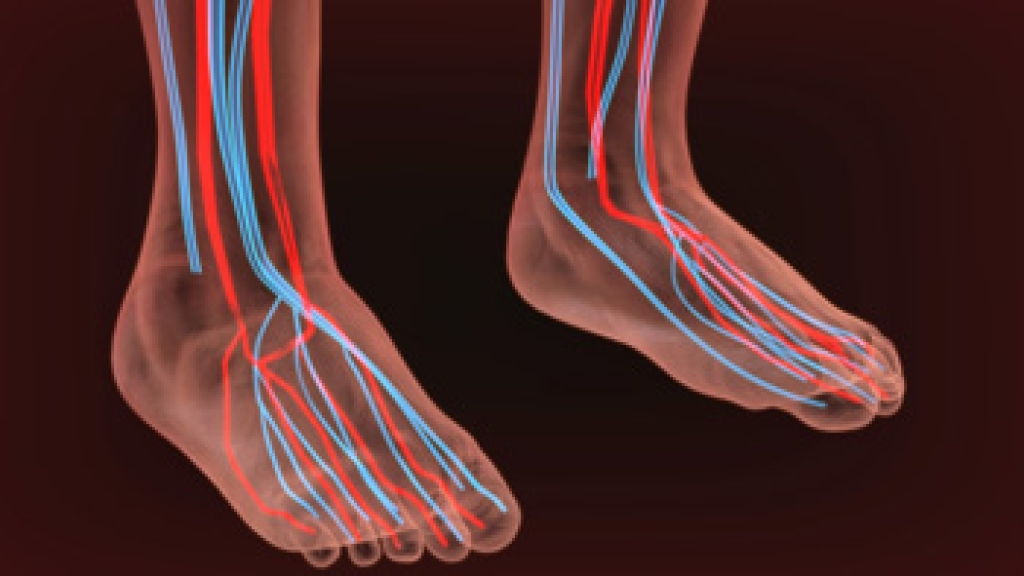
Maintaining proper blood circulation to the feet is a critical part of practicing good everyday foot health. This is because proper circulation ensures that blood and oxygen reach the feet. There is an interesting connection between poor circulation in the feet and dry skin. Namely, when an individual struggles with obesity, they can essentially carry extra weight that inhibits proper blood circulation. As a result of this inhibited circulation, the skin on the feet may harden and become dry. If you are someone living with poor circulation in the feet, it is suggested that you reach out to a podiatrist today to address any concerns or problems.

Poor circulation is a serious condition and needs immediate medical attention. If you have any concerns with poor circulation in your feet contact one of our podiatrists of Dr. Jeffrey J. Betman & Associates . Our doctors will treat your foot and ankle needs.

Poor Circulation in the Feet

Poor blood circulation in the feet and legs is can be caused by peripheral artery disease (PAD), which is the result of a buildup of plaque in the arteries.

Plaque buildup or atherosclerosis results from excess calcium and cholesterol in the bloodstream. This can restrict the amount of blood which can flow through the arteries. Poor blood circulation in the feet and legs are sometimes caused by inflammation in the blood vessels, known as vasculitis.

Causes

Lack of oxygen and oxygen from poor blood circulation restricts muscle growth and development. It can also cause:

  • Muscle pain, stiffness, or weakness 
  • Numbness or cramping in the legs
  • Skin discoloration
  • Slower nail & hair growth
  • Erectile dysfunction

Those who have diabetes or smoke are at greatest risk for poor circulation, as are those who are over 50. If you have poor circulation in the feet and legs it may be caused by PAD and is important to make changes to your lifestyle in order to reduce risk of getting a heart attack or stroke. Exercise and maintaining a healthy lifestyle will dramatically improve conditions.

As always, see a podiatrist as he or she will assist in finding a regimen that suits you. A podiatrist can also prescribe you any needed medication. 

If you have any questions, please feel free to contact our offices located in Northwest Chicago, Southwest Chicago, and Wicker Park, Chicago, IL . We offer the newest diagnostic and treatment technologies for all your foot care needs.
Read more about Causes, Symptoms, and Treatment of Poor Blood Circulation in the Feet

Various Reasons Why Stress Fractures Can Happen

Many people are aware when they have fractured a bone. The pain is sudden and often happens from an injury. This may not be true with stress fractures, as it develops over time. A stress fracture is considered to be a hairline fracture and is caused by repetitive movements. This is a common injury among people who enjoy running, or frequently participating in jumping activities. For example, osteoporosis can weaken the bones, which can make it easier for stress fractures to happen. Additionally, wearing shoes that do not fit correctly can gradually weaken the foot bones, possibly leading to developing a stress fracture. Mild relief may be found if sporting activities are temporarily stopped, and a supportive boot or cast is worn until complete healing has taken place. This can be followed by implementing specific stretches that can help to strengthen the foot. If you have a stress fracture, it is suggested that you confer with a podiatrist who can effectively diagnose and treat this foot condition.

Stress fractures occur when there is a tiny crack within a bone. To learn more, contact one of our podiatrists from Dr. Jeffrey J. Betman & Associates . Our doctors can provide the care you need to keep you pain free and on your feet.

How Are They Caused?

Stress fractures are the result of repetitive force being placed on the bone. Since the lower leg and feet often carry most of the body’s weight, stress fractures are likely to occur in these areas. If you rush into a new exercise, you are more likely to develop a stress fracture since you are starting too much, too soon.  Pain resulting from stress fractures may go unnoticed at first, however it may start to worsen over time.

Risk Factors

  • Gender – They are more commonly found in women compared to men.
  • Foot Problems – People with unusual arches in their feet are more likely to develop stress fractures.
  • Certain Sports – Dancers, gymnasts, tennis players, runners, and basketball players are more likely to develop stress fractures.
  • Lack of Nutrients – A lack of vitamin D and calcium may weaken the bones and make you more prone to stress fractures
  • Weak Bones – Osteoporosis can weaken the bones therefore resulting in stress fractures

Stress fractures do not always heal properly, so it is important that you seek help from a podiatrist if you suspect you may have one. Ignoring your stress fracture may cause it to worsen, and you may develop chronic pain as well as additional fractures.

If you have any questions please contact our offices located in Northwest Chicago, Southwest Chicago, and Wicker Park, Chicago, IL . We offer the newest diagnostic and treatment technologies for all your foot and ankle needs.

Read more about Stress Fractures of the Foot and Ankle

First Symptoms of Athlete’s Foot

The foot condition that is known as athlete’s foot is generally not a serious ailment, despite how uncomfortable it can be. Prompt medical attention is often sought for relief, which may help prevent further foot conditions. Athlete’s foot is caused by a fungus that lives in warm, moist environments. These can include shower room floors, public swimming pools, and similar areas. Athlete's foot is considered to be contagious, and it is beneficial to refrain from sharing shoes, socks, and towels. Additionally, it is helpful to wear appropriate shoes while in these types of areas, such as flip-flops or water shoes. The beginning signs of this condition may consist of red patches that can form between the toes or on the bottom of the foot. In severe cases, small blisters may develop. If you have signs of having athlete’s foot, it is suggested that you confer with a podiatrist who can offer you the correct treatment options.

Athlete’s Foot

Athlete’s foot is often an uncomfortable condition to experience. Thankfully, podiatrists specialize in treating athlete’s foot and offer the best treatment options. If you have any questions about athlete’s foot, consult with one of our podiatrists from Dr. Jeffrey J. Betman & Associates . Our doctors will assess your condition and provide you with quality treatment.

What Is Athlete’s Foot?

Tinea pedis, more commonly known as athlete’s foot, is a non-serious and common fungal infection of the foot. Athlete’s foot is contagious and can be contracted by touching someone who has it or infected surfaces. The most common places contaminated by it are public showers, locker rooms, and swimming pools. Once contracted, it grows on feet that are left inside moist, dark, and warm shoes and socks.

Prevention

The most effective ways to prevent athlete’s foot include:

  • Thoroughly washing and drying feet
  • Avoid going barefoot in locker rooms and public showers
  • Using shower shoes in public showers
  • Wearing socks that allow the feet to breathe
  • Changing socks and shoes frequently if you sweat a lot

Symptoms

Athlete’s foot initially occurs as a rash between the toes. However, if left undiagnosed, it can spread to the sides and bottom of the feet, toenails, and if touched by hand, the hands themselves. Symptoms include:

  • Redness
  • Burning
  • Itching
  • Scaly and peeling skin

Diagnosis and Treatment

Diagnosis is quick and easy. Skin samples will be taken and either viewed under a microscope or sent to a lab for testing. Sometimes, a podiatrist can diagnose it based on simply looking at it. Once confirmed, treatment options include oral and topical antifungal medications.

If you have any questions, please feel free to contact our offices located in Northwest Chicago, Southwest Chicago, and Wicker Park, Chicago, IL . We offer the newest diagnostic and treatment technologies for all your foot care needs.

Read more about Athlete's Foot

Keep Your Feet Healthy So You Can Stay Active

Have your feet inspected by a professional before starting a new sport or physical activity. Taking charge of your foot health will keep you in good physical condition and can help you avoid a potential injury, such as a fracture or sprained ankle.

Prevent injuries and see a foot specialist.

Connect With Us