How Smoking Can Affect the Feet

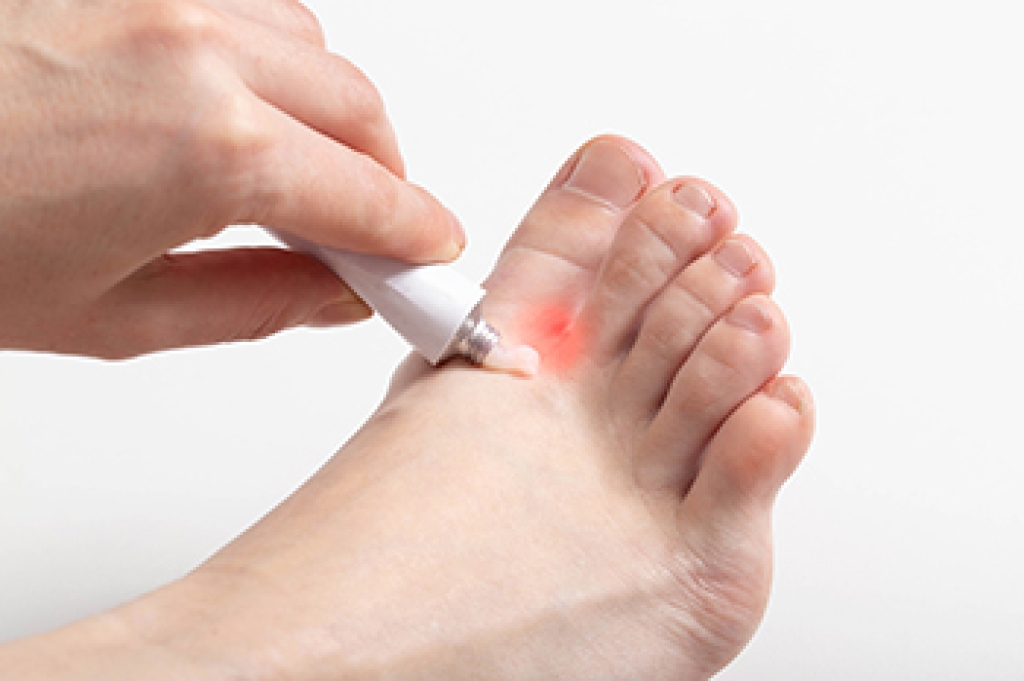
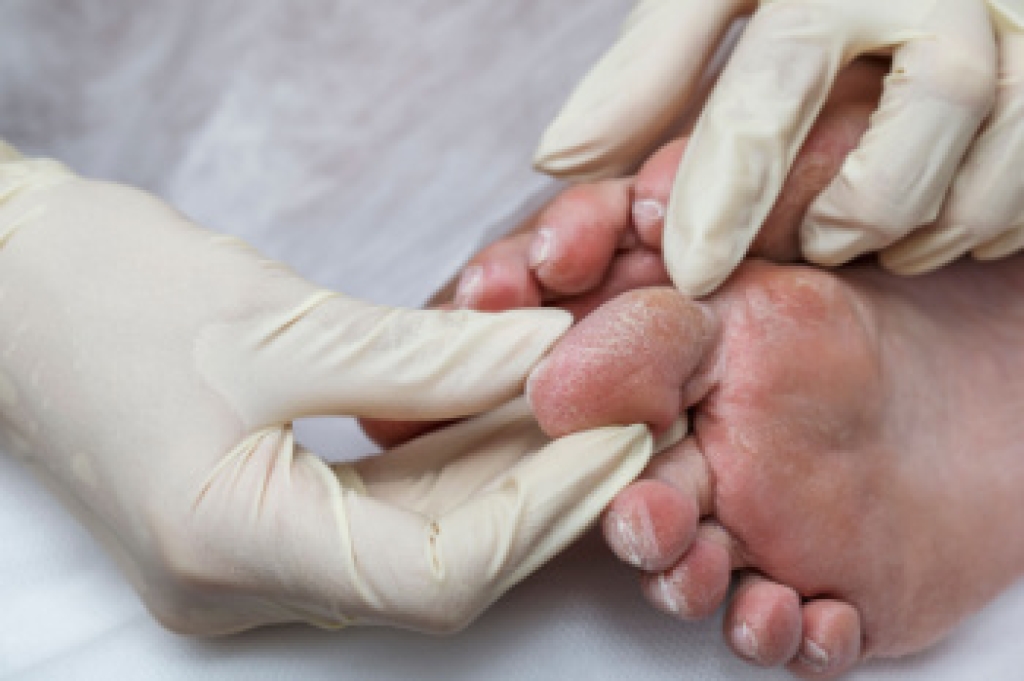
Beyond the well-known effects on your lungs and heart, smoking can also severely affect your feet, particularly through a condition known as Buerger’s disease. This disease targets the blood vessels in the arms and legs, causing swelling and reduced blood flow, which leads to the formation of clots. Consequently, individuals may experience pain, open sores or ulcers, and gangrene, which if not properly treated by a podiatrist may lead to limb loss. While the precise cause of Buerger’s disease remains uncertain, one undeniable link is tobacco use. Chemicals in tobacco irritate blood vessel linings, which then triggers inflammation and constriction. Nearly all diagnosed cases of Buerger’s disease are associated with tobacco use, whether through cigarettes, cigars, or chewing tobacco. Prevention is key, and that begins with quitting smoking and avoiding all forms of tobacco. But prioritizing your foot health is also essential, and by seeking guidance from a podiatrist you can manage symptoms and receive the needed wound care. If you're experiencing any symptoms, it is suggested that you make an appointment with a podiatrist for an exam and treatment.

When dealing with systemic disease of the feet, it is extremely important to check the affected areas routinely so that any additional problems are caught quickly.  If you have any concerns about your feet and ankles contact one of our podiatrists from Dr. Jeffrey J. Betman & Associates . Our doctors will assist you with all of your podiatric needs.

Systemic Diseases of the Feet

Systemic diseases affect the whole body, and symptoms usually are displayed in the feet. This condition can make a patient’s ability to walk unbearable.  Systemic diseases include gout, diabetes mellitus, neurological disorders, and arthritis.

Gout – is caused by an excess of uric acid in the body. Common symptoms include pain, inflammation, and redness at the metatarsal/phalangeal joint of the base big toe. Gout can be treated by NSAIDs to relieve pain and inflammation, and other drugs that lower the acid levels in the body.

Diabetes mellitus – is an increase in the level of blood sugar that the body cannot counteract with its own insulin. Failure to produce enough insulin is a factor in Diabetes.

Diabetes of the Feet

Diabetic Neuropathy – may lead to damaged nerves and affect the feet through numbness and loss of sensation.

Peripheral Vascular Disease – can restrict the blood flow to the feet, and often times lead to amputation of the feet. 

If you have any questions please contact our offices located in Northwest Chicago, Southwest Chicago, and Wicker Park, Chicago, IL . We offer the newest diagnostic and treatment technologies for all your foot and ankle needs.
Read more about Systemic Diseases of the Foot

Bursitis Causes Heel Pain

Bursitis in the heel occurs when the bursae in the foot become inflamed. Bursae are small fluid-filled sacs near the joints that cushion the bones and tendons. This inflammation often results from overuse or excessive pressure on the heel, commonly seen in athletes or individuals who engage in frequent running or jumping. Heel bursitis can cause pain in the back of or deep inside the heel, which may worsen with activity and improve with rest. The pain may also be more pronounced in the morning or after long periods of inactivity. Bursitis can also lead to swelling, warmth, and redness in the affected area. Treatment typically involves resting the foot, taking anti-inflammatory medications, and wearing heel pads or orthotic devices to relieve pressure on the heel. Sometimes exercises are also recommended to strengthen the surrounding muscles and tissues. If conservative treatments fail, corticosteroid injections might be considered to reduce inflammation and pain. Taking steps to manage heel bursitis can prevent the condition from recurring and allow you to return to your regular activities without discomfort. If you have painful heels and suspect bursitis, it is suggested you make an appointment with a podiatrist for an evaluation. 

Many people suffer from bouts of heel pain. For more information, contact one of our podiatrists of Dr. Jeffrey J. Betman & Associates . Our doctors can provide the care you need to keep you pain-free and on your feet.

Causes of Heel Pain

Heel pain is often associated with plantar fasciitis. The plantar fascia is a band of tissues that extends along the bottom of the foot. A rip or tear in this ligament can cause inflammation of the tissue.

Achilles tendonitis is another cause of heel pain. Inflammation of the Achilles tendon will cause pain from fractures and muscle tearing. Lack of flexibility is also another symptom.

Heel spurs are another cause of pain. When the tissues of the plantar fascia undergo a great deal of stress, it can lead to ligament separation from the heel bone, causing heel spurs.

Why Might Heel Pain Occur?

  • Wearing ill-fitting shoes                
  • Wearing non-supportive shoes
  • Weight change           
  • Excessive running

Treatments

Heel pain should be treated as soon as possible for immediate results. Keeping your feet in a stress-free environment will help. If you suffer from Achilles tendonitis or plantar fasciitis, applying ice will reduce the swelling. Stretching before an exercise like running will help the muscles. Using all these tips will help make heel pain a condition of the past.

If you have any questions, please feel free to contact our offices located in Northwest Chicago, Southwest Chicago, and Wicker Park, Chicago, IL . We offer the newest diagnostic and treatment technologies for all your foot care needs.

Read more about Heel Pain

Do Your Child's Feet Hurt?

Have your child's feet been examined lately? Healthy feet are happy feet. If your child is complaining of foot pain, it may be a sign of underlying problems.

Causes and Symptoms of Athlete's Foot

Athlete's foot, known medically as tinea pedis, is a common fungal infection that affects the skin of the feet. It thrives in warm, moist environments, such as locker rooms, swimming pools, and communal showers. This condition is caused by various types of fungi, primarily belonging to the dermatophyte group. Symptoms of athlete's foot include itching, burning, and stinging sensations, frequently between the toes or on the soles of the feet. As the infection progresses, the skin may become red, cracked, and blistered. In severe cases, it can lead to the development of painful ulcers or secondary bacterial infections. Athlete's foot is extremely contagious and can spread through direct contact with infected surfaces or by sharing contaminated items like towels or shoes. Practicing good foot hygiene, wearing breathable footwear, and keeping feet dry can help prevent the occurrence of this bothersome condition. If you have developed this ailment, it is suggested that you visit a podiatrist who will often prescribe medication for relief and healing.

Athlete’s Foot

Athlete’s foot is often an uncomfortable condition to experience. Thankfully, podiatrists specialize in treating athlete’s foot and offer the best treatment options. If you have any questions about athlete’s foot, consult with one of our podiatrists from Dr. Jeffrey J. Betman & Associates . Our doctors will assess your condition and provide you with quality treatment.

What Is Athlete’s Foot?

Tinea pedis, more commonly known as athlete’s foot, is a non-serious and common fungal infection of the foot. Athlete’s foot is contagious and can be contracted by touching someone who has it or infected surfaces. The most common places contaminated by it are public showers, locker rooms, and swimming pools. Once contracted, it grows on feet that are left inside moist, dark, and warm shoes and socks.

Prevention

The most effective ways to prevent athlete’s foot include:

  • Thoroughly washing and drying feet
  • Avoid going barefoot in locker rooms and public showers
  • Using shower shoes in public showers
  • Wearing socks that allow the feet to breathe
  • Changing socks and shoes frequently if you sweat a lot

Symptoms

Athlete’s foot initially occurs as a rash between the toes. However, if left undiagnosed, it can spread to the sides and bottom of the feet, toenails, and if touched by hand, the hands themselves. Symptoms include:

  • Redness
  • Burning
  • Itching
  • Scaly and peeling skin

Diagnosis and Treatment

Diagnosis is quick and easy. Skin samples will be taken and either viewed under a microscope or sent to a lab for testing. Sometimes, a podiatrist can diagnose it based on simply looking at it. Once confirmed, treatment options include oral and topical antifungal medications.

If you have any questions, please feel free to contact our offices located in Northwest Chicago, Southwest Chicago, and Wicker Park, Chicago, IL . We offer the newest diagnostic and treatment technologies for all your foot care needs.

Read more about Athlete’s Foot

Exercises for Healthy and Strong Feet

Strengthening your feet is important for overall well-being, reducing the risk of injury, and maintaining foot health over time. A few simple exercises can go a long way to achieving this. Toe scrunches involve placing a small towel on the floor and gripping it with your toes, then releasing it. This exercise strengthens the muscles in your feet. Another helpful exercise is toe raises, where you lift your toes while keeping your heels on the ground, and then lower them back down. This helps improve flexibility and stability. Additionally, calf raises are beneficial for foot and ankle strength. Stand with your feet hip-width apart, then rise onto the balls of your feet and lower back down. These exercises can be done regularly at home. Along with proper foot care and checkups from a podiatrist, these regular foot exercises can contribute to improved foot health and reduced risk of injury. If you want to learn about more foot exercises to incorporate, or you have questions about your foot health, make an appointment with a podiatrist today. 

Exercising your feet regularly with the proper foot wear is a great way to prevent injuries and build strength. If you have any concerns about your feet, contact one of our podiatrists from Dr. Jeffrey J. Betman & Associates . Our doctors can provide the care you need to keep you pain-free and on your feet.

Exercise for Your Feet

Exercise for your feet can help you gain strength, mobility and flexibility in your feet. They say that strengthening your feet can be just as rewarding as strengthening another part of the body. Your feet are very important, and we often forget about them in our daily tasks. But it is because of our feet that are we able to get going and do what we need to. For those of us fortunate enough to not have any foot problems, it is an important gesture to take care of them to ensure good health in the long run.

Some foot health exercises can include ankle pumps, tip-toeing, toe rises, lifting off the floor doing reps and sets, and flexing the toes. It is best to speak with Our doctors to determine an appropriate regimen for your needs. Everyone’s needs and bodies are different, and the activities required to maintain strength in the feet vary from individual to individual. 

Once you get into a routine of doing regular exercise, you may notice a difference in your feet and how strong they may become.

If you have any questions, please feel free to contact our offices located in Northwest Chicago, Southwest Chicago, and Wicker Park, Chicago, IL . We offer the newest diagnostic and treatment technologies for all your foot care needs.

Read more about Exercise for Your Feet

Connect With Us