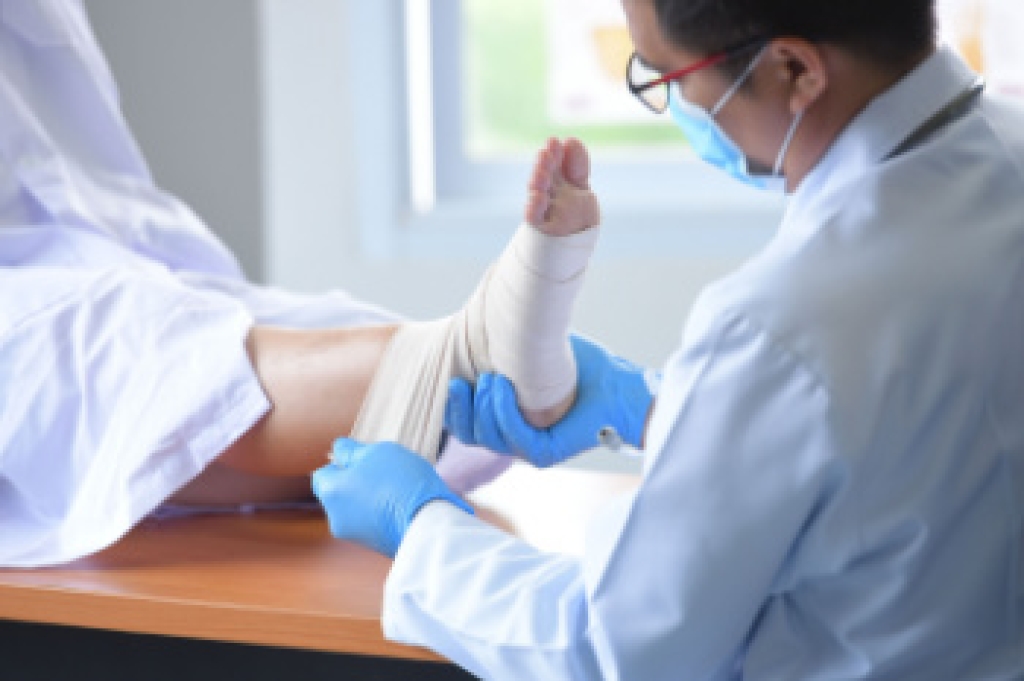
Classification and Key Concepts of Ankle Fractures

Ankle fractures are common injuries that can occur due to trauma or falls, often requiring careful assessment for effective treatment. The Ottawa rules are clinical guidelines that help determine the need for X-rays in suspected ankle injuries, focusing on pain in specific areas and the ability to bear weight. Ankle fractures can be classified using the Danis-Weber system, which categorizes them based on the location of the fibula fracture relative to the joint that stabilizes the bones. The Lauge-Hansen classification further describes the mechanism of injury, aiding in treatment decisions. Common types of fractures include calcaneal fractures, which affect the heel bone, and Chopart fracture-dislocations that involve the midfoot. Stress fractures often result from repetitive activity. If you have incurred an ankle fracture, it is suggested that you promptly consult a podiatrist who can determine which type it is, and offer effective treatment solutions.

Broken ankles need immediate treatment. If you are seeking treatment, contact one of our podiatrists from Dr. Jeffrey J. Betman & Associates . Our doctors can provide the care you need to keep you pain-free and on your feet. 

Broken Ankles
A broken ankle is experienced when a person fractures their tibia or fibula in the lower leg and ankle area. Both of these bones are attached at the bottom of the leg and combine to form what we know to be our ankle.

When a physician is referring to a break of the ankle, he or she is usually referring to a break in the area where the tibia and fibula are joined to create our ankle joint. Ankles are more prone to fractures because the ankle is an area that suffers a lot of pressure and stress. There are some obvious signs when a person experiences a fractured ankle, and the following symptoms may be present.

Symptoms of a Fractured Ankle

  • Excessive pain when the area is touched or when any pressure is placed on the ankle
  • Swelling around the area
  • Bruising of the area
  • Area appears to be deformed

If you suspect an ankle fracture, it is recommended to seek treatment as soon as possible. The sooner you have your podiatrist diagnose the fracture, the quicker you’ll be on the way towards recovery.

If you have any questions, please feel free to contact our offices located in Northwest Chicago, Southwest Chicago, and Wicker Park, Chicago, IL . We offer the newest diagnostic and treatment technologies for all your foot care needs.

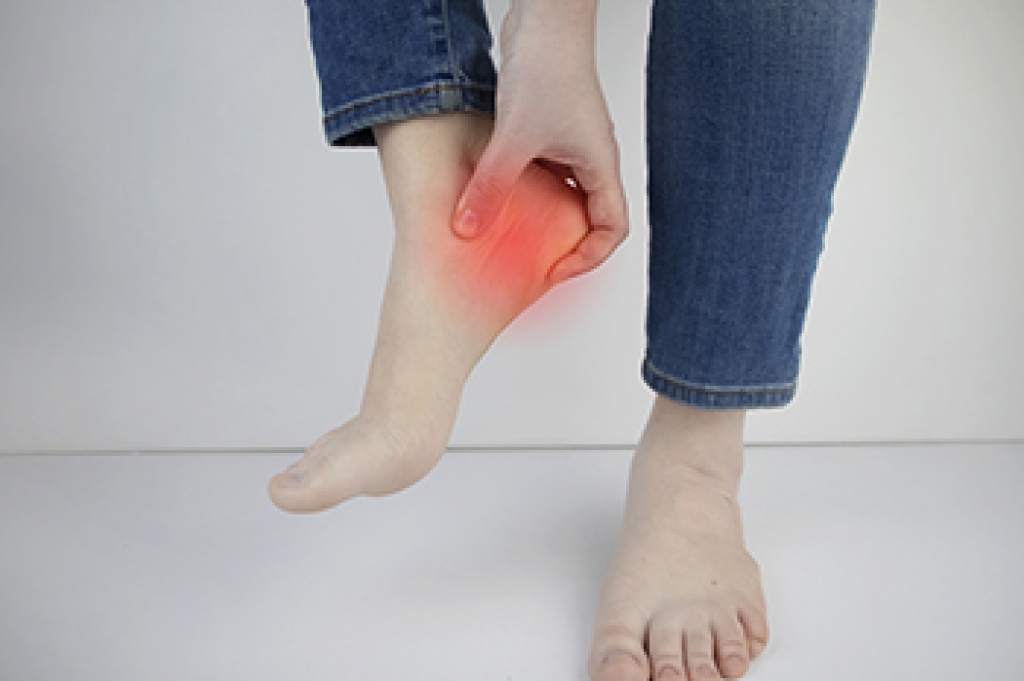
Read more about All About Broken Ankle

Ankle Sprains in Volleyball

Ankle sprains are common injuries in volleyball, often occurring during jumps or quick lateral movements. These sprains are classified into three grades, each reflecting the severity of the injury. A Grade 1 sprain involves mild stretching of the ligaments, typically resulting in minor pain and swelling, with recovery usually taking a few days to a week. A Grade 2 sprain indicates a partial tear of the ligaments, causing moderate pain and swelling, often requiring two to four weeks for healing. A Grade 3 sprain represents a complete tear, leading to severe pain and instability, and may take six weeks or more to recover. Stopping the activity, avoiding putting weight on the foot, and wrapping the ankle to reduce swelling may help to bring relief. If you enjoy playing volleyball, and have sustained an ankle sprain, it is suggested that you promptly schedule an appointment with a podiatrist who can guide you toward specific treatment solutions.

Sports related foot and ankle injuries require proper treatment before players can go back to their regular routines. For more information, contact one of our podiatrists of Dr. Jeffrey J. Betman & Associates . Our doctors can provide the care you need to keep you pain-free and on your feet.

Sports Related Foot and Ankle Injuries

Foot and ankle injuries are a common occurrence when it comes to athletes of any sport. While many athletes dismiss the initial aches and pains, the truth is that ignoring potential foot and ankle injuries can lead to serious problems. As athletes continue to place pressure and strain the area further, a mild injury can turn into something as serious as a rupture and may lead to a permanent disability. There are many factors that contribute to sports related foot and ankle injuries, which include failure to warm up properly, not providing support or wearing bad footwear. Common injuries and conditions athletes face, including:

  • Plantar Fasciitis
  • Achilles Tendinitis
  • Achilles Tendon Rupture
  • Ankle Sprains

Sports related injuries are commonly treated using the RICE method. This includes rest, applying ice to the injured area, compression and elevating the ankle. More serious sprains and injuries may require surgery, which could include arthroscopic and reconstructive surgery. Rehabilitation and therapy may also be required in order to get any recovering athlete to become fully functional again. Any unusual aches and pains an athlete sustains must be evaluated by a licensed, reputable medical professional.

If you have any questions please contact our offices located in Northwest Chicago, Southwest Chicago, and Wicker Park, Chicago, IL . We offer the newest diagnostic and treatment technologies for all your foot and ankle needs.

Read more about Sports Related Foot And Ankle Injuries

First Morning Step Can Signal Plantar Fasciitis

Heel pain, especially first thing in the morning, can often be a sign of plantar fasciitis. This condition occurs when the plantar fascia, a wide band of tissue that runs from your heel to your toes, becomes inflamed or develops small tears. The pain can be sharp, particularly with the first steps after getting out of bed, but it often recedes as you move throughout the day. Plantar fasciitis is more common among people who are overweight, older adults, and athletes, especially those who run on hard surfaces. A podiatrist can help by diagnosing plantar fasciitis through an exam. This foot doctor may recommend treatment that includes certain stretches, choosing more supportive footwear, or taking prescription-strength anti-inflammatory medication. These treatment methods aim to reduce inflammation and support the tissue's healing process. If you have heel pain first thing in the morning, it is suggested that you visit a podiatrist for an exam to find out if you have plantar fasciitis.

Plantar fasciitis is a common foot condition that is often caused by a strain injury. If you are experiencing heel pain or symptoms of plantar fasciitis, contact one of our podiatrists from Dr. Jeffrey J. Betman & Associates . Our doctors can provide the care you need to keep you pain-free and on your feet.

What Is Plantar Fasciitis?

Plantar fasciitis is one of the most common causes of heel pain. The plantar fascia is a ligament that connects your heel to the front of your foot. When this ligament becomes inflamed, plantar fasciitis is the result. If you have plantar fasciitis you will have a stabbing pain that usually occurs with your first steps in the morning. As the day progresses and you walk around more, this pain will start to disappear, but it will return after long periods of standing or sitting.

What Causes Plantar Fasciitis?

  • Excessive running
  • Having high arches in your feet
  • Other foot issues such as flat feet
  • Pregnancy (due to the sudden weight gain)
  • Being on your feet very often

There are some risk factors that may make you more likely to develop plantar fasciitis compared to others. The condition most commonly affects adults between the ages of 40 and 60. It also tends to affect people who are obese because the extra pounds result in extra stress being placed on the plantar fascia.

Prevention

  • Take good care of your feet – Wear shoes that have good arch support and heel cushioning.
  • Maintain a healthy weight
  • If you are a runner, alternate running with other sports that won’t cause heel pain

There are a variety of treatment options available for plantar fasciitis along with the pain that accompanies it. Additionally, physical therapy is a very important component in the treatment process. It is important that you meet with your podiatrist to determine which treatment option is best for you.

If you have any questions, please feel free to contact our offices located in Northwest Chicago, Southwest Chicago, and Wicker Park, Chicago, IL . We offer the newest diagnostic and treatment technologies for all your foot care needs.

 

Read more about Plantar Fasciitis

We Can Treat Your Foot or Ankle Pain

Foot or ankle pain can negatively affect your day-to-day life and can occur due to several different conditions. Pain can also be an indicator of a more serious underlying condition, which is why you should seek professional help as soon as you notice any abnormalities in your feet.

Flat Feet and Overpronation in Children

Flat feet and overpronation are common concerns among children, often leading to discomfort and potential issues in mobility. Flat feet occur when the arches of the feet do not develop properly, resulting in the entire foot making contact with the ground. This condition can lead to overpronation, where the feet roll inward excessively during walking or running. Parents may notice signs such as fatigue, difficulty in participating in physical activities, or complaints of foot pain. Early detection is essential, as untreated flat feet can contribute to alignment issues and discomfort in the knees, hips, and back. Simple interventions like supportive footwear and specific exercises can make a significant difference in a child's comfort and overall foot health. If your child has any of the above symptoms, it is suggested that you contact a podiatrist who can offer effective relief and treatment options.

Making sure that your children maintain good foot health is very important as they grow. If you have any questions, contact one of our podiatrists of Dr. Jeffrey J. Betman & Associates . Our doctors can provide the care you need to keep you pain-free and on your feet.

Keeping Children's Feet Healthy

Having healthy feet during childhood can help prevent medical problems later in life, namely in the back and legs. As children grow, their feet require different types of care. Here are some things to consider...

Although babies do not walk yet, it is still very important to take care of their feet.

Avoid putting tight shoes or socks on his or her feet.

Allow the baby to stretch and kick his or her feet to feel comfortable.

As a toddler, kids are now on the move and begin to develop differently. At this age, toddlers are getting a feel for walking, so don’t be alarmed if your toddler is unsteady or ‘walks funny’. 

As your child gets older, it is important to teach them how to take care of their feet.

Show them proper hygiene to prevent infections such as fungus.

Be watchful for any pain or injury.

Have all injuries checked by a doctor as soon as possible.

Comfortable, protective shoes should always be worn, especially at play.

If you have any questions, please feel free to contact our offices located in Northwest Chicago, Southwest Chicago, and Wicker Park, Chicago, IL . We offer the newest diagnostic and treatment technologies for all your foot care needs.
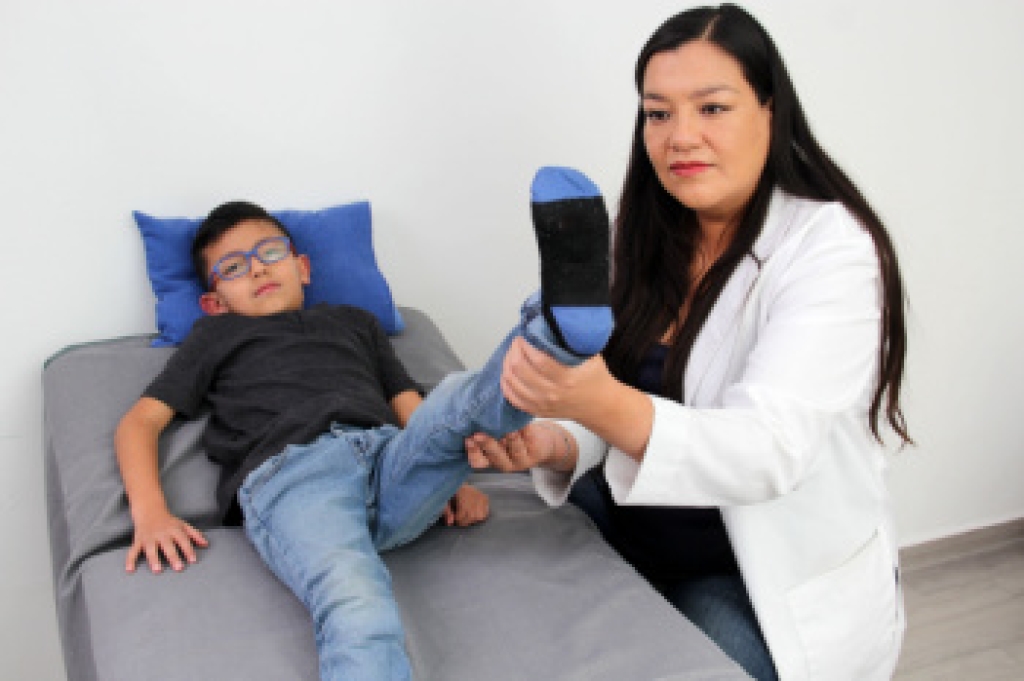
Read more about What to Do to Keep Your Child’s Feet Healthy

Connect With Us