Symptoms and Risk Factors of Morton’s Neuroma

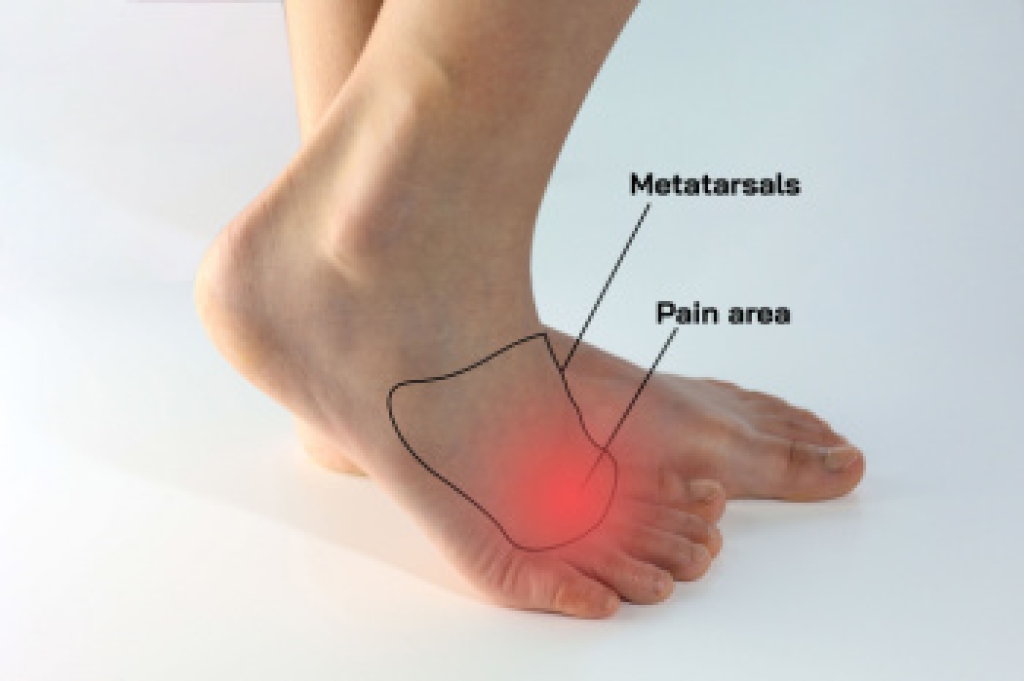
Morton’s neuroma is a painful condition affecting the foot, characterized by the thickening of the tissue surrounding a nerve leading to the toes. This often results in sharp, burning pain in the ball of the foot, with possible numbness or tingling extending into the toes. Symptoms typically worsen with activity and improve with rest. Several risk factors contribute to Morton’s neuroma, including wearing high-heeled or narrow shoes that compress the toes, engaging in high-impact activities, and having foot deformities such as flat feet or high arches. Women are more frequently affected than men, likely due to footwear choices. Wearing proper footwear, avoiding high heels, and using orthotic inserts can help alleviate symptoms. If you have pain in this part of your foot, it is suggested that you promptly schedule an appointment with a podiatrist who can accurately diagnose and treat Morton’s neuroma.

Morton’s neuroma is a very uncomfortable condition to live with. If you think you have Morton’s neuroma, contact one of our podiatrists of Dr. Jeffrey J. Betman & Associates . Our doctors will attend to all of your foot care needs and answer any of your related questions.  

Morton’s Neuroma

Morton's neuroma is a painful foot condition that commonly affects the areas between the second and third or third and fourth toe, although other areas of the foot are also susceptible. Morton’s neuroma is caused by an inflamed nerve in the foot that is being squeezed and aggravated by surrounding bones.

What Increases the Chances of Having Morton’s Neuroma?

  • Ill-fitting high heels or shoes that add pressure to the toe or foot
  • Jogging, running or any sport that involves constant impact to the foot
  • Flat feet, bunions, and any other foot deformities

Morton’s neuroma is a very treatable condition. Orthotics and shoe inserts can often be used to alleviate the pain on the forefront of the feet. In more severe cases, corticosteroids can also be prescribed. In order to figure out the best treatment for your neuroma, it’s recommended to seek the care of a podiatrist who can diagnose your condition and provide different treatment options.

If you have any questions, please feel free to contact our offices located in Northwest Chicago, Southwest Chicago, and Wicker Park, Chicago, IL . We offer the newest diagnostic and treatment technologies for all your foot care needs.
Read more about Morton's Neuroma

When to See a Podiatrist for Flat Feet

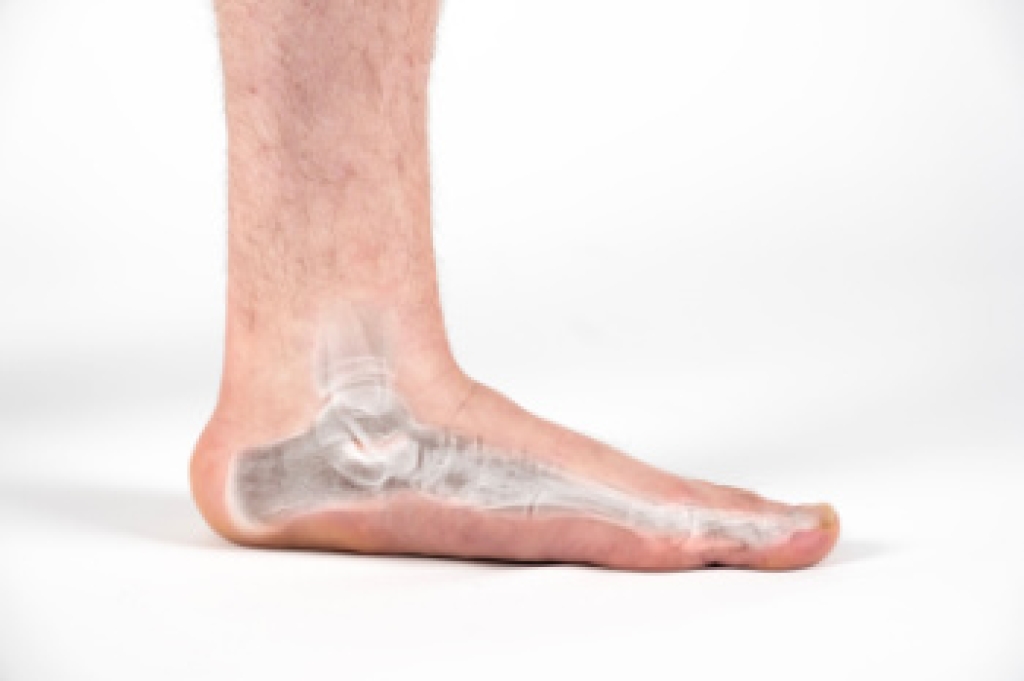
Flat feet, also known as fallen arches, occur when the arches of the feet are lower than usual or completely flat, causing the entire sole of the foot to touch the ground when standing. While many people with flat feet experience no symptoms, others may develop pain, particularly in the feet, ankles, or lower legs. This condition can lead to overpronation, where the foot rolls inward excessively during walking or running, potentially causing alignment issues and stress on the knees and hips. If flat feet develop suddenly in adulthood, it may indicate an underlying issue such as a tendon injury or arthritis. If you have persistent pain and difficulty engaging in activities because of flat feet, it is suggested that you schedule an appointment with a podiatrist who can assess the severity, recommend treatments like orthotics, and guide you on managing symptoms to prevent complications and improve foot function.

Flatfoot is a condition many people suffer from. If you have flat feet, contact one of our podiatrists from Dr. Jeffrey J. Betman & Associates . Our doctors will treat your foot and ankle needs.

What Are Flat Feet?

Flatfoot is a condition in which the arch of the foot is depressed and the sole of the foot is almost completely in contact with the ground. About 20-30% of the population generally has flat feet because their arches never formed during growth.

Conditions & Problems:

Having flat feet makes it difficult to run or walk because of the stress placed on the ankles.

Alignment – The general alignment of your legs can be disrupted, because the ankles move inward which can cause major discomfort.

Knees – If you have complications with your knees, flat feet can be a contributor to arthritis in that area.  

Symptoms

  • Pain around the heel or arch area
  • Trouble standing on the tip toe
  • Swelling around the inside of the ankle
  • Flat look to one or both feet
  • Having your shoes feel uneven when worn

Treatment

If you are experiencing pain and stress on the foot you may weaken the posterior tibial tendon, which runs around the inside of the ankle. 

If you have any questions, please feel free to contact our offices located in Northwest Chicago, Southwest Chicago, and Wicker Park, Chicago, IL . We offer the newest diagnostic and treatment technologies for all your foot care needs.
Read more about Flatfoot

Understanding Clubfoot

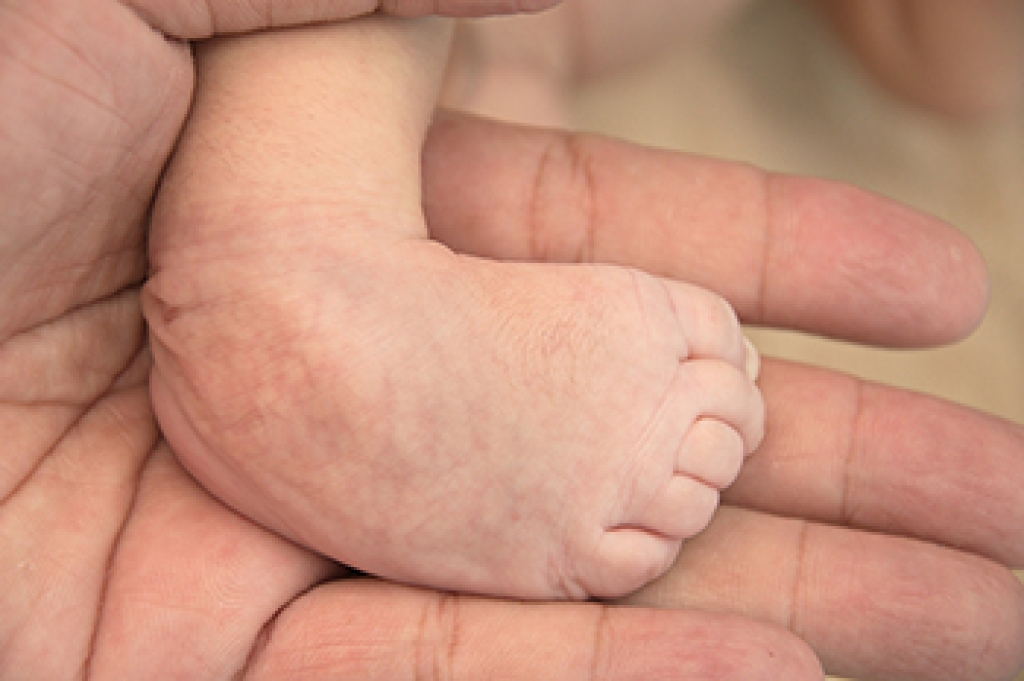
Clubfoot, or talipes, is a congenital condition where a newborn's foot is twisted out of shape or position, typically pointing downward and inward. It occurs in about one in 1,000 births, making it a relatively common birth defect. The exact cause is unknown, though it may be linked to genetic factors and occurs more frequently in boys than girls. Clubfoot can affect one or both feet, and while it does not cause pain in infants, if left untreated, it can lead to difficulties in walking and discomfort later in life. Diagnosis is usually made at birth through a physical examination, although it can sometimes be detected during a prenatal ultrasound. Treatment should begin shortly after birth and often involves using the Ponseti method, which includes gentle manipulation and casting of the foot, followed by bracing to maintain the correction. In some cases, surgery may be required. If your child is born with clubfoot, it is suggested that you visit a podiatrist for early and appropriate treatment, as most children born with clubfoot can lead active, normal lives.

Congenital foot problems require immediate attention to avoid future complications. If you have any concerns, contact one of our podiatrists of Dr. Jeffrey J. Betman & Associates . Our doctors can provide the care you need to keep you pain-free and on your feet.

Congenital foot problems are deformities affecting the feet, toes, and/or ankles that children are born with. Some of these conditions have a genetic cause while others just happen. Some specific foot ailments that children may be born with include clubfeet, polydactyly/macrodactyly, and cleft foot. There are several other foot anomalies that can occur congenitally. What all of these conditions have in common is that a child may experience difficulty walking or performing everyday activities, as well as trouble finding footwear that fits their foot deformity. Some of these conditions are more serious than others. Consulting with a podiatrist as early as possible will help in properly diagnosing a child’s foot condition while getting the necessary treatment underway.

What are Causes of Congenital Foot Problem?

A congenital foot problem is one that happens to a child at birth. These conditions can be caused by a genetic predisposition, developmental or positional abnormalities during gestation, or with no known cause.

What are Symptoms of Congenital Foot Problems?

Symptoms vary by the congenital condition. Symptoms may consist of the following:

  • Clubfoot, where tendons are shortened, bones are shaped differently, and the Achilles tendon is tight, causing the foot to point in and down. It is also possible for the soles of the feet to face each other.
  • Polydactyly, which usually consists of a nubbin or small lump of tissue without a bone, a toe that is partially formed but has no joints, or an extra toe.
  • Vertical talus, where the talus bone forms in the wrong position causing other bones in the foot to line up improperly, the front of the foot to point up, and the bottom of the foot to stiffen, with no arch, and to curve out.
  • Tarsal coalition, when there is an abnormal connection of two or more bones in the foot leading to severe, rigid flatfoot.
  • Cleft foot, where there are missing toes, a V-shaped cleft, and other anatomical differences.
  • Macrodactyly, when the toes are abnormally large due to overgrowth of the underlying bone or soft tissue.

Treatment and Prevention

While there is nothing one can do to prevent congenital foot problems, raising awareness and receiving neonatal screenings are important. Early detection by taking your child to a podiatrist leads to the best outcome possible.

If you have any questions, please feel free to contact our offices located in Northwest Chicago, Southwest Chicago, and Wicker Park, Chicago, IL . We offer the newest diagnostic and treatment technologies for all your foot care needs.

Read more about Congenital Foot Problems

How to Manage Blisters on the Feet

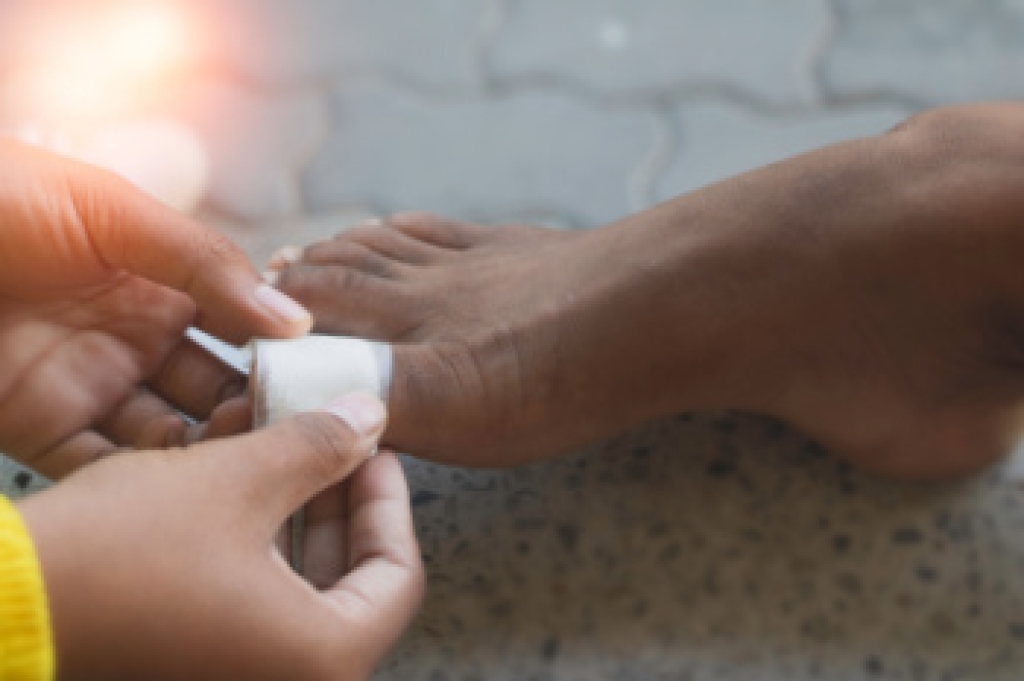
Blisters on the feet can be painful and bothersome. They are often caused by friction inside a shoe or from prolonged activity, such as walking or running. Most blisters on the feet heal naturally, but protecting them can help reduce both discomfort and the risk of infection. Small, unbroken blisters can be covered loosely with a bandage to prevent irritation. For blisters on the soles, a doughnut-shaped moleskin pad can alleviate pressure by keeping the area over the blister open. It is not a good idea to drain blisters at home, as improper handling can lead to infection and cause additional problems. If a blister is large or painful, it is best to have it drained by a podiatrist, who can do so under safe and hygienic conditions. Always monitor blisters for signs of infection, such as increased pain, redness, or pus. Also, if you have medical conditions like diabetes, HIV, cancer, or heart disease, it isimportant to seek medical help immediately. To safely manage problematic blisters on the feet, it is suggested that you schedule an appointment with a podiatrist for effective treatment options.

Blisters are prone to making everyday activities extremely uncomfortable. If your feet are hurting, contact one of our podiatrists of Dr. Jeffrey J. Betman & Associates . Our doctors can provide the care you need to keep you pain-free and on your feet.

Foot Blisters

Foot blisters develop as a result of constantly wearing tight or ill-fitting footwear. This happens due to the constant rubbing from the shoe, which can often lead to pain.

What Are Foot Blisters?

A foot blister is a small fluid-filled pocket that forms on the upper-most layer of the skin. Blisters are filled with clear fluid and can lead to blood drainage or pus if the area becomes infected.

How Do Blisters Form?

Blisters on the feet are often the result of constant friction of skin and material, usually by shoe rubbing. Walking in sandals, boots, or shoes that don’t fit properly for long periods of time can result in a blister. Having consistent foot moisture and humidity can easily lead to blister formation.

Prevention & Treatment

It is important to properly care for the affected area in order to prevent infection and ease the pain. Do not lance the blister and use a Band-Aid to provide pain relief. Also, be sure to keep your feet dry and wear proper fitting shoes. If you see blood or pus in a blister, seek assistance from a podiatrist.

If you have any questions, please feel free to contact our offices located in Northwest Chicago, Southwest Chicago, and Wicker Park, Chicago, IL . We offer the newest diagnostic and treatment technologies for all your foot care needs.

Read more about Blisters

Heel Pain Can Be Treated!

Do you suffer from heel pain when you get up in the morning? If so, you should seek professional help and have a proper diagnosis performed. Heel pain can be caused by several different foot-related conditions.

Connect With Us