The Best Time of Day to Purchase Shoes

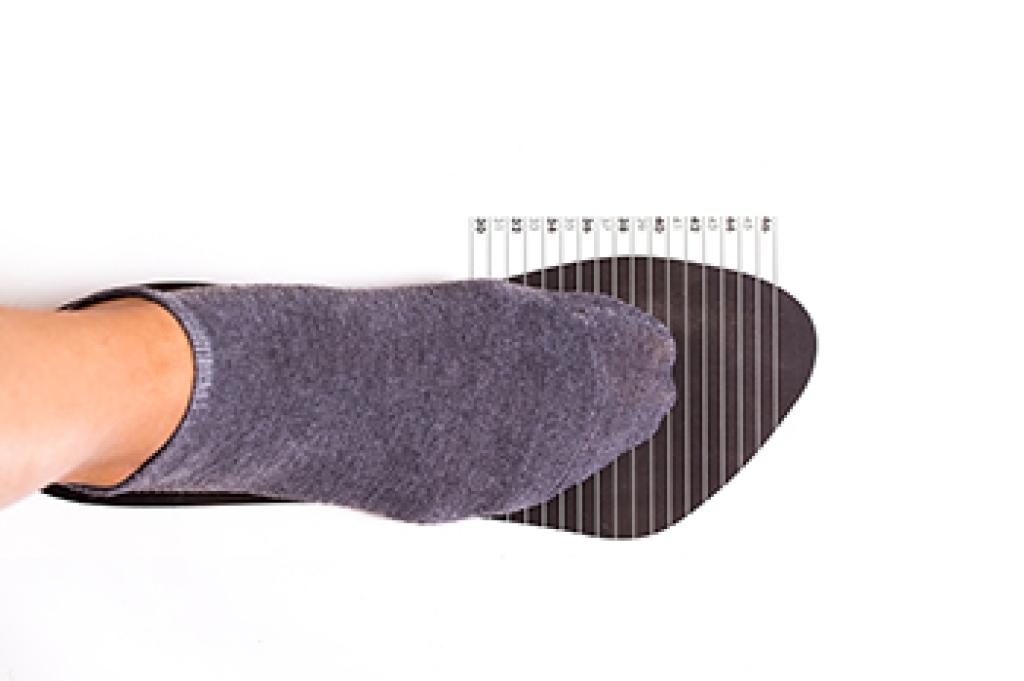
Wearing the right shoe size may help to prevent injury. Shoes that fit properly will have adequate cushioning that can support the feet, and most importantly, they are comfortable. It is beneficial to try on and purchase shoes later in the day when the feet are at their largest. This can begin by properly measuring the feet, which can be done by tracing each foot on paper, or by using a Brannock device. The majority of shoe stores have this type of measuring tool, and using it is generally a quick and successful way to determine your correct shoe size. It is beneficial to wear socks that will be worn with the shoes, and walking in them prior to buying them is a good way to determine if they fit correctly. Patients who have foot pain may need to change shoes often, and it is advised that you consult with a podiatrist who can guide you toward wearing shoes that are right for you.

Getting the right shoe size is an important part of proper foot health. Seek the assistance of one of our podiatrists from Dr. Jeffrey J. Betman & Associates . Our doctors will provide the care you need to keep you pain-free and on your feet.

Getting the Right Shoe Size

There are many people who wear shoes that are the incorrect size, negatively affecting their feet and posture. Selecting the right shoes is not a difficult process, so long as you keep several things in mind when it comes to choosing the right pair.

  • When visiting the shoe store, use the tools available to measure your foot.
  • Be sure there is ‘wiggle room’. There should be about an inch between your toes and the tip of your shoes.
  • Do not always assume you are the same size, as manufacturers run differently.
  • Purchase shoes later in the day, as your feet swell as the day progresses.
  • If a shoe is not comfortable, it is not suitable. Most shoes can’t be ‘broken in’, and comfort should be the ultimate goal when it comes to choosing the right pair of shoes

As our feet hold our body weight and keep us moving, it is important to treat them right. Picking the right pair of shoes can provide your feet comfort and mobility without pain.

If you have any questions, please feel free to contact our offices located in Northwest Chicago, Southwest Chicago, and Wicker Park, Chicago, IL . We offer the newest diagnostic and treatment technologies for all your foot care needs.
Read more about Getting the Right Shoe Size: To Keep Your Feet Happy

Painful Gout Is a Form of Arthritis

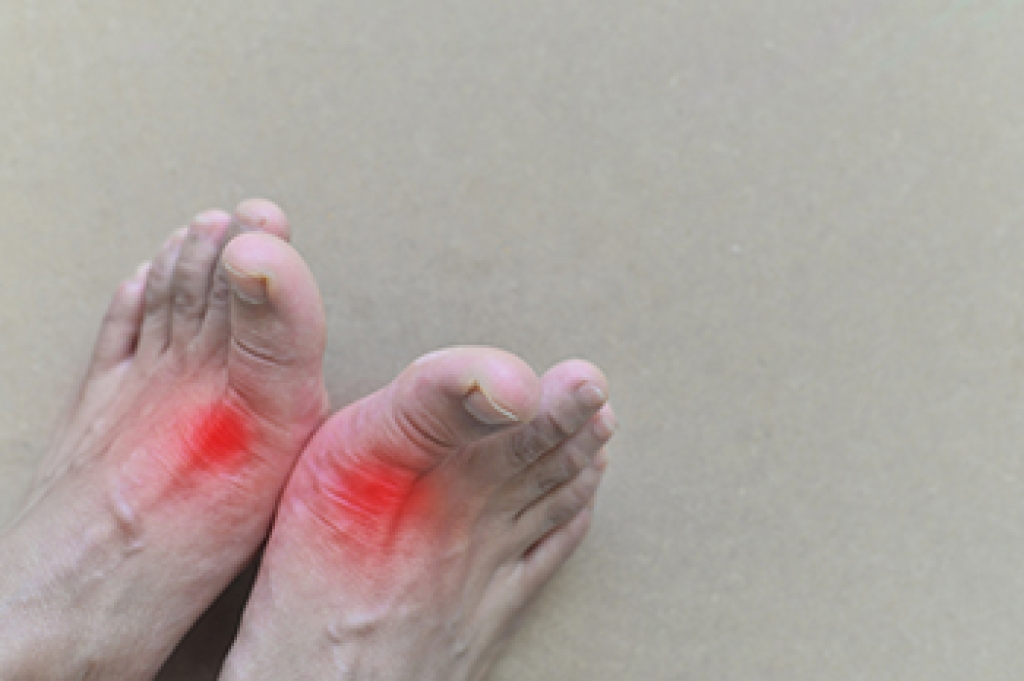
People who have initial flareups of gout may be unaware of what this foot condition is. It brings attention to the patient by the debilitating pain and discomfort that gout is associated with, and answers are often sought. Gout is a form of arthritis and occurs from excess uric acid in the blood. It can happen from genetic reasons, or from the foods that are eaten. These can include shellfish, red meat, and drinks that are made with large amounts of sugar. Existing medical conditions such as diabetes, high blood pressure, or heart disease may lead to having gout attacks. Additional uric acid will form crystals that lodge in the joints of the big toe, causing redness, swelling, and the temporary inability to walk. Effective prevention techniques can include limiting unhealthy foods and engaging in a gentle exercise routine. If you have gout, it is strongly suggested that you are under the care of a podiatrist who can help you to manage and treat this condition.

Gout is a painful condition that can be treated. If you are seeking treatment, contact one of our podiatrists from Dr. Jeffrey J. Betman & Associates . Our doctors will treat your foot and ankle needs.

What Is Gout?

Gout is a form of arthritis that is characterized by sudden, severe attacks of pain, redness, and tenderness in the joints. The condition usually affects the joint at the base of the big toe. A gout attack can occur at any random time, such as the middle of the night while you are asleep.

Symptoms

  • Intense Joint Pain - Usually around the large joint of your big toe, and it most severe within the first four to twelve hours
  • Lingering Discomfort - Joint discomfort may last from a few days to a few weeks
  • Inflammation and Redness -Affected joints may become swollen, tender, warm and red
  • Limited Range of Motion - May experience a decrease in joint mobility

Risk Factors

  • Genetics - If family members have gout, you’re more likely to have it
  • Medications - Diuretic medications can raise uric acid levels
  • Gender/Age - Gout is more common in men until the age of 60. It is believed that estrogen protects women until that point
  • Diet - Eating red meat and shellfish increases your risk
  • Alcohol - Having more than two alcoholic drinks per day increases your risk
  • Obesity - Obese people are at a higher risk for gout

Prior to visiting your podiatrist to receive treatment for gout, there are a few things you should do beforehand. If you have gout you should write down your symptoms--including when they started and how often you experience them, important medical information you may have, and any questions you may have. Writing down these three things will help your podiatrist in assessing your specific situation so that he or she may provide the best route of treatment for you.

If you have any questions, please feel free to contact our offices located in Northwest Chicago, Southwest Chicago, and Wicker Park, Chicago, IL . We offer the newest diagnostic and treatment technologies for all your foot care needs.
Read more about Everything You Need to Know About Gout

Athlete’s Foot Is Contagious

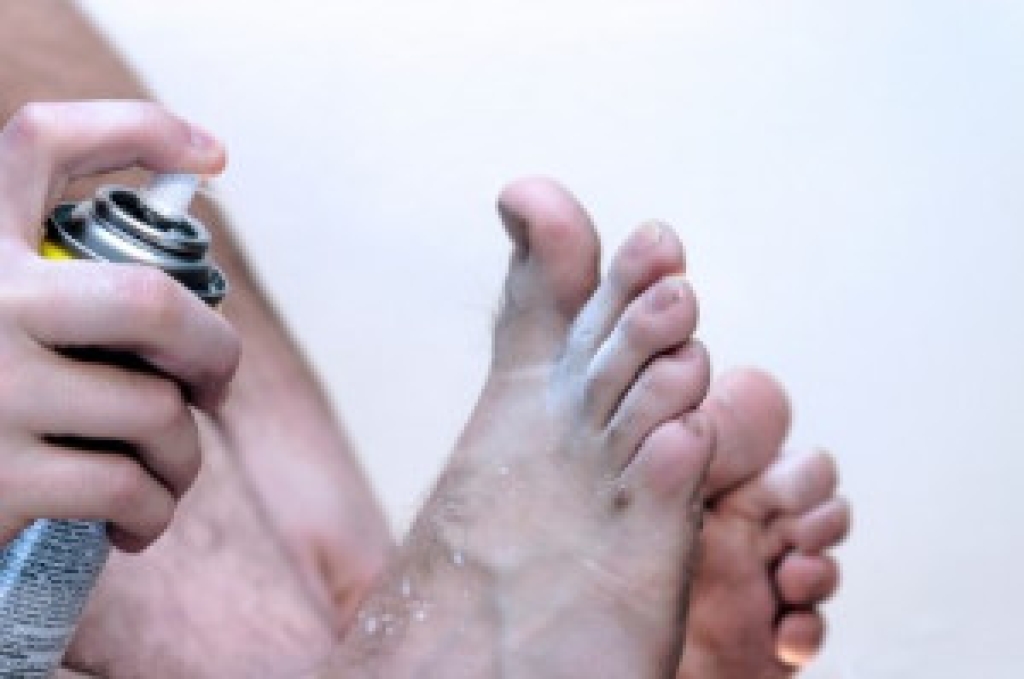
A fungus that develops on the feet is a skin infection. It can cause discomfort and become unsightly. It is a common condition, and studies have shown it affects approximately 25 percent of people across the globe. People whose feet sweat for various reasons may be prone to getting athlete’s foot, and it is considered to be contagious. This type of fungus lives in warm and moist environments, such as shower room floors and public swimming pools. Wearing appropriate shoes while in these types of areas can help to prevent athlete’s foot from spreading. Flip flops or water shoes fall into this category, and these types of shoes can protect the soles of the feet from picking up this fungus. It is advised to refrain from sharing shoes, socks, and towels, and this may help to limit the spread of this uncomfortable condition. Symptoms that are common with athlete's foot can include itchiness, redness, and in severe cases, small blisters may form. There are various steps to treat athlete's foot, and it is suggested that you are under the care of a podiatrist who can offer you prescribed medication for complete healing. 

Athlete’s foot is an inconvenient condition that can be easily reduced with the proper treatment. If you have any concerns about your feet and ankles, contact one of our podiatrists from Dr. Jeffrey J. Betman & Associates .  Our doctors will treat your foot and ankle needs.

Athlete’s Foot: The Sole Story

Athlete's foot, also known as tinea pedis, can be an extremely contagious foot infection. It is commonly contracted in public changing areas and bathrooms, dormitory style living quarters, around locker rooms and public swimming pools, or anywhere your feet often come into contact with other people.

Solutions to Combat Athlete’s Foot

  • Hydrate your feet by using lotion
  • Exfoliate
  • Buff off nails
  • Use of anti-fungal products
  • Examine your feet and visit your doctor if any suspicious blisters or cuts develop

Athlete’s foot can cause many irritating symptoms such as dry and flaking skin, itching, and redness. Some more severe symptoms can include bleeding and cracked skin, intense itching and burning, and even pain when walking. In the worst cases, Athlete’s foot can cause blistering as well. Speak to your podiatrist for a better understanding of the different causes of Athlete’s foot, as well as help in determining which treatment options are best for you.

If you have any questions please feel free to contact our offices located in Northwest Chicago, Southwest Chicago, and Wicker Park, Chicago, IL . We offer the newest diagnostic and treatment technologies for all your foot and ankle needs.

Read more about Athlete’s Foot

Let Us Treat Your Feet This Winter

Take extra care when walking on snow and ice. If you experience a fall and sustain an injury, we're here to help. We treat trauma, soft tissue injuries, and fractures.

What Can Cause Cuboid Syndrome?

Patients who have pain on the outside of their feet may have developed cuboid syndrome. This condition can happen by incurring an injury that affects the cuboid bone. This bone is one of seven tarsal bones that connect to the toes and heel and contributes to a normal gait or walking style. Cuboid syndrome may be prevalent among runners and ballet dancers due to its repetitive impact. Additionally, it may occur in people who run on uneven surfaces or wear shoes that do not have adequate support. The common symptoms that are experienced can include ankle pain that is sudden or gradual, and the entire foot may be tender or sore. An X-ray can help rule out a fracture. Typically, the activity that caused the pain must be stopped and the affected foot should be elevated as often as possible. The healing process may be accelerated when non-impact exercises are performed as this can help strengthen the entire foot. If you have pain along the outside of your foot please consult a podiatrist who can determine if cuboid syndrome is the cause as well as provide effective treatment techniques.

Cuboid syndrome, also known as cuboid subluxation, occurs when the joints and ligaments near the cuboid bone in the foot become torn. If you have cuboid syndrome, consult with one of our podiatrists from Dr. Jeffrey J. Betman & Associates . Our doctors will assess your condition and provide you with quality foot and ankle treatment.

Cuboid syndrome is a common cause of lateral foot pain, which is pain on the outside of the foot. The condition may happen suddenly due to an ankle sprain, or it may develop slowly overtime from repetitive tension through the bone and surrounding structures.

Causes

The most common causes of cuboid syndrome include:

  • Injury – The most common cause of this ailment is an ankle sprain.
  • Repetitive Strain – Tension placed through the peroneus longus muscle from repetitive activities such as jumping and running may cause excessive traction on the bone causing it to sublux.
  • Altered Foot Biomechanics – Most people suffering from cuboid subluxation have flat feet.

Symptoms

A common symptom of cuboid syndrome is pain along the outside of the foot which can be felt in the ankle and toes. This pain may create walking difficulties and may cause those with the condition to walk with a limp.

Diagnosis

Diagnosis of cuboid syndrome is often difficult, and it is often misdiagnosed. X-rays, MRIs and CT scans often fail to properly show the cuboid subluxation. Although there isn’t a specific test used to diagnose cuboid syndrome, your podiatrist will usually check if pain is felt while pressing firmly on the cuboid bone of your foot.

Treatment

Just as the range of causes varies widely, so do treatments. Some more common treatments are ice therapy, rest, exercise, taping, and orthotics.

If you have any questions, please feel free to contact our offices located in Northwest Chicago, Southwest Chicago, and Wicker Park, Chicago, IL . We offer the newest diagnostic and treatment technologies for all your foot care needs.
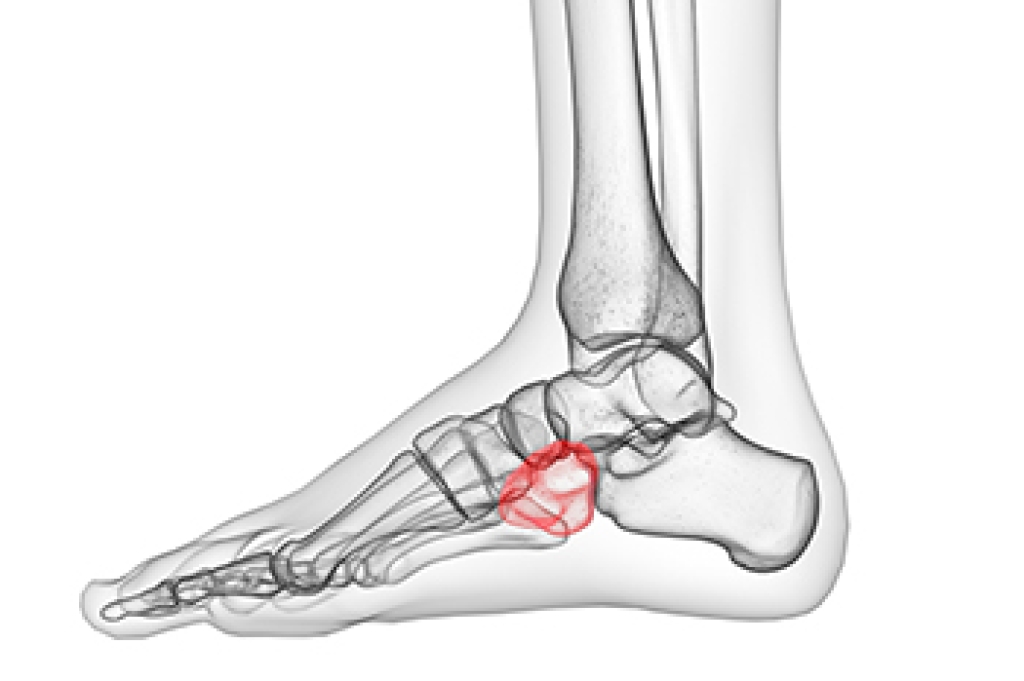
Read more about Cuboid Syndrome

Connect With Us