
Relief and Prevention Methods for Ingrown Toenails

An ingrown toenail occurs when the edge of a toenail grows into the surrounding skin, causing pain, redness, and sometimes infection. This condition typically affects the big toe and can be caused by wearing improper footwear, a toenail injury, or genetic factors. A podiatrist can accurately evaluate the the severity of the ingrown toenail, and will treat it accordingly to avoid further irritation and to manage any existing infection. To prevent ingrown toenails, it is essential to trim nails straight across, avoid cutting them too short, and wear properly fitting shoes that do not put pressure on the toes.  If you have developed this condition, it is suggested that you promptly schedule an appointment with a podiatrist who can effectively treat ingrown toenails, which may include minor surgery.

Ingrown toenails may initially present themselves as a minor discomfort, but they may progress into an infection in the skin without proper treatment. For more information about ingrown toenails, contact one of our podiatrists of Dr. Jeffrey J. Betman & Associates . Our doctors can provide the care you need to keep you pain-free and on your feet.

Ingrown Toenails

Ingrown toenails are caused when the corner or side of a toenail grows into the soft flesh surrounding it. They often result in redness, swelling, pain, and in some cases, infection. This condition typically affects the big toe and may recur if it is not treated properly.

Causes

  • Improper toenail trimming
  • Genetics
  • Improper shoe fitting
  • Injury from pedicures or nail picking
  • Abnormal gait
  • Poor hygiene

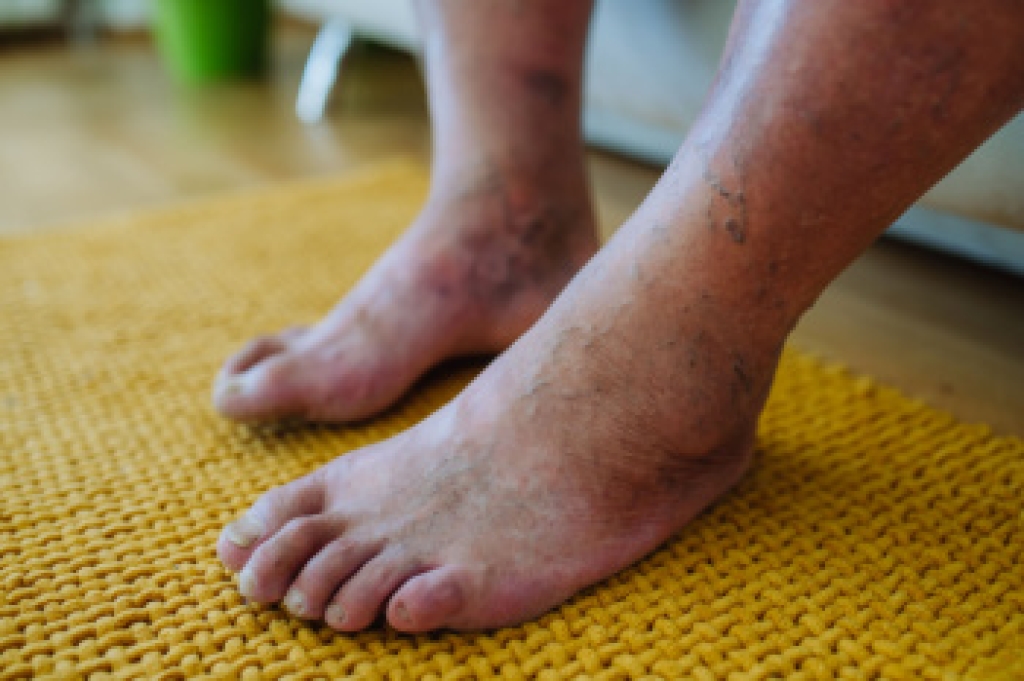
You are more likely to develop an ingrown toenail if you are obese, have diabetes, arthritis, or have any fungal infection in your nails. Additionally, people who have foot or toe deformities are at a higher risk of developing an ingrown toenail.

Symptoms

Some symptoms of ingrown toenails are redness, swelling, and pain. In rare cases, there may be a yellowish drainage coming from the nail.

Treatment

Ignoring an ingrown toenail can have serious complications. Infections of the nail border can progress to a deeper soft-tissue infection, which can then turn into a bone infection. You should always speak with your podiatrist if you suspect you have an ingrown toenail, especially if you have diabetes or poor circulation.

If you have any questions, please feel free to contact our offices located in Northwest Chicago, Southwest Chicago, and Wicker Park, Chicago, IL . We offer the newest diagnostic and treatment technologies for all your foot care needs.
Read more about Ingrown Toenails

Saving Limbs With Diabetic Foot Care

Poor diabetic foot care can lead to serious complications, including infections, ulcers, and even amputations. Individuals with diabetes often experience reduced blood flow and nerve damage, which can mask injuries and make it difficult to detect problems early. When wounds are left untreated, they can quickly become infected, leading to more severe health issues. Proper diabetic foot care is essential in preventing these complications and can significantly reduce the risk of limb loss. Regularly inspecting the feet for cuts, blisters, or changes in color, along with maintaining good hygiene and wearing appropriate footwear, can help identify potential problems early. If you have diabetes, it is strongly suggested that you are under the care of a podiatrist who can help you to manage this serious condition.

Diabetic foot care is important in preventing foot ailments such as ulcers. If you are suffering from diabetes or have any other concerns about your feet, contact one of our podiatrists from Dr. Jeffrey J. Betman & Associates . Our doctors can provide the care you need to keep you pain-free and on your feet.

Diabetic Foot Care

Diabetes affects millions of people every year. The condition can damage blood vessels in many parts of the body, especially the feet. Because of this, taking care of your feet is essential if you have diabetes, and having a podiatrist help monitor your foot health is highly recommended.

The Importance of Caring for Your Feet

  • Routinely inspect your feet for bruises or sores.
  • Wear socks that fit your feet comfortably.
  • Wear comfortable shoes that provide adequate support.

Patients with diabetes should have their doctor monitor their blood levels, as blood sugar levels play such a huge role in diabetic care. Monitoring these levels on a regular basis is highly advised.

It is always best to inform your healthcare professional of any concerns you may have regarding your feet, especially for diabetic patients. Early treatment and routine foot examinations are keys to maintaining proper health, especially because severe complications can arise if proper treatment is not applied.

If you have any questions, please feel free to contact our offices located in Northwest Chicago, Southwest Chicago, and Wicker Park, Chicago, IL . We offer the newest diagnostic and treatment technologies for all your foot care needs.

Read more about Diabetic Foot Conditions

Classification and Key Concepts of Ankle Fractures

Ankle fractures are common injuries that can occur due to trauma or falls, often requiring careful assessment for effective treatment. The Ottawa rules are clinical guidelines that help determine the need for X-rays in suspected ankle injuries, focusing on pain in specific areas and the ability to bear weight. Ankle fractures can be classified using the Danis-Weber system, which categorizes them based on the location of the fibula fracture relative to the joint that stabilizes the bones. The Lauge-Hansen classification further describes the mechanism of injury, aiding in treatment decisions. Common types of fractures include calcaneal fractures, which affect the heel bone, and Chopart fracture-dislocations that involve the midfoot. Stress fractures often result from repetitive activity. If you have incurred an ankle fracture, it is suggested that you promptly consult a podiatrist who can determine which type it is, and offer effective treatment solutions.

Broken ankles need immediate treatment. If you are seeking treatment, contact one of our podiatrists from Dr. Jeffrey J. Betman & Associates . Our doctors can provide the care you need to keep you pain-free and on your feet. 

Broken Ankles
A broken ankle is experienced when a person fractures their tibia or fibula in the lower leg and ankle area. Both of these bones are attached at the bottom of the leg and combine to form what we know to be our ankle.

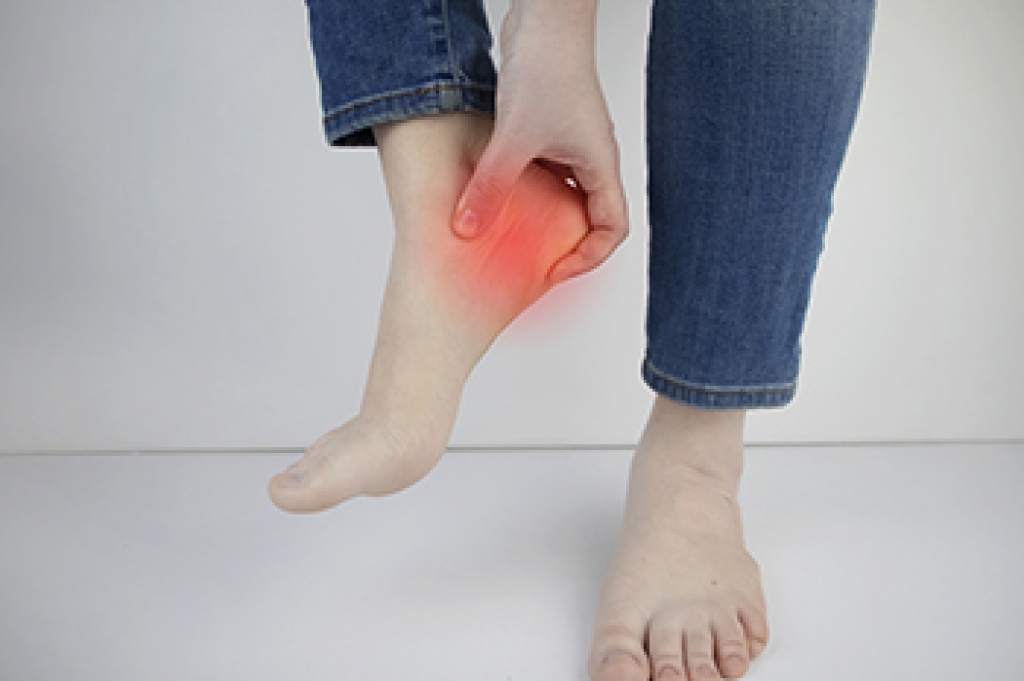
When a physician is referring to a break of the ankle, he or she is usually referring to a break in the area where the tibia and fibula are joined to create our ankle joint. Ankles are more prone to fractures because the ankle is an area that suffers a lot of pressure and stress. There are some obvious signs when a person experiences a fractured ankle, and the following symptoms may be present.

Symptoms of a Fractured Ankle

  • Excessive pain when the area is touched or when any pressure is placed on the ankle
  • Swelling around the area
  • Bruising of the area
  • Area appears to be deformed

If you suspect an ankle fracture, it is recommended to seek treatment as soon as possible. The sooner you have your podiatrist diagnose the fracture, the quicker you’ll be on the way towards recovery.

If you have any questions, please feel free to contact our offices located in Northwest Chicago, Southwest Chicago, and Wicker Park, Chicago, IL . We offer the newest diagnostic and treatment technologies for all your foot care needs.
Read more about All About Broken Ankle

Ankle Sprains in Volleyball

Ankle sprains are common injuries in volleyball, often occurring during jumps or quick lateral movements. These sprains are classified into three grades, each reflecting the severity of the injury. A Grade 1 sprain involves mild stretching of the ligaments, typically resulting in minor pain and swelling, with recovery usually taking a few days to a week. A Grade 2 sprain indicates a partial tear of the ligaments, causing moderate pain and swelling, often requiring two to four weeks for healing. A Grade 3 sprain represents a complete tear, leading to severe pain and instability, and may take six weeks or more to recover. Stopping the activity, avoiding putting weight on the foot, and wrapping the ankle to reduce swelling may help to bring relief. If you enjoy playing volleyball, and have sustained an ankle sprain, it is suggested that you promptly schedule an appointment with a podiatrist who can guide you toward specific treatment solutions.

Sports related foot and ankle injuries require proper treatment before players can go back to their regular routines. For more information, contact one of our podiatrists of Dr. Jeffrey J. Betman & Associates . Our doctors can provide the care you need to keep you pain-free and on your feet.

Sports Related Foot and Ankle Injuries

Foot and ankle injuries are a common occurrence when it comes to athletes of any sport. While many athletes dismiss the initial aches and pains, the truth is that ignoring potential foot and ankle injuries can lead to serious problems. As athletes continue to place pressure and strain the area further, a mild injury can turn into something as serious as a rupture and may lead to a permanent disability. There are many factors that contribute to sports related foot and ankle injuries, which include failure to warm up properly, not providing support or wearing bad footwear. Common injuries and conditions athletes face, including:

  • Plantar Fasciitis
  • Achilles Tendinitis
  • Achilles Tendon Rupture
  • Ankle Sprains

Sports related injuries are commonly treated using the RICE method. This includes rest, applying ice to the injured area, compression and elevating the ankle. More serious sprains and injuries may require surgery, which could include arthroscopic and reconstructive surgery. Rehabilitation and therapy may also be required in order to get any recovering athlete to become fully functional again. Any unusual aches and pains an athlete sustains must be evaluated by a licensed, reputable medical professional.

If you have any questions please contact our offices located in Northwest Chicago, Southwest Chicago, and Wicker Park, Chicago, IL . We offer the newest diagnostic and treatment technologies for all your foot and ankle needs.

Read more about Sports Related Foot And Ankle Injuries

First Morning Step Can Signal Plantar Fasciitis

Heel pain, especially first thing in the morning, can often be a sign of plantar fasciitis. This condition occurs when the plantar fascia, a wide band of tissue that runs from your heel to your toes, becomes inflamed or develops small tears. The pain can be sharp, particularly with the first steps after getting out of bed, but it often recedes as you move throughout the day. Plantar fasciitis is more common among people who are overweight, older adults, and athletes, especially those who run on hard surfaces. A podiatrist can help by diagnosing plantar fasciitis through an exam. This foot doctor may recommend treatment that includes certain stretches, choosing more supportive footwear, or taking prescription-strength anti-inflammatory medication. These treatment methods aim to reduce inflammation and support the tissue's healing process. If you have heel pain first thing in the morning, it is suggested that you visit a podiatrist for an exam to find out if you have plantar fasciitis.

Plantar fasciitis is a common foot condition that is often caused by a strain injury. If you are experiencing heel pain or symptoms of plantar fasciitis, contact one of our podiatrists from Dr. Jeffrey J. Betman & Associates . Our doctors can provide the care you need to keep you pain-free and on your feet.

What Is Plantar Fasciitis?

Plantar fasciitis is one of the most common causes of heel pain. The plantar fascia is a ligament that connects your heel to the front of your foot. When this ligament becomes inflamed, plantar fasciitis is the result. If you have plantar fasciitis you will have a stabbing pain that usually occurs with your first steps in the morning. As the day progresses and you walk around more, this pain will start to disappear, but it will return after long periods of standing or sitting.

What Causes Plantar Fasciitis?

  • Excessive running
  • Having high arches in your feet
  • Other foot issues such as flat feet
  • Pregnancy (due to the sudden weight gain)
  • Being on your feet very often

There are some risk factors that may make you more likely to develop plantar fasciitis compared to others. The condition most commonly affects adults between the ages of 40 and 60. It also tends to affect people who are obese because the extra pounds result in extra stress being placed on the plantar fascia.

Prevention

  • Take good care of your feet – Wear shoes that have good arch support and heel cushioning.
  • Maintain a healthy weight
  • If you are a runner, alternate running with other sports that won’t cause heel pain

There are a variety of treatment options available for plantar fasciitis along with the pain that accompanies it. Additionally, physical therapy is a very important component in the treatment process. It is important that you meet with your podiatrist to determine which treatment option is best for you.

If you have any questions, please feel free to contact our offices located in Northwest Chicago, Southwest Chicago, and Wicker Park, Chicago, IL . We offer the newest diagnostic and treatment technologies for all your foot care needs.

 

Read more about Plantar Fasciitis

We Can Treat Your Foot or Ankle Pain

Foot or ankle pain can negatively affect your day-to-day life and can occur due to several different conditions. Pain can also be an indicator of a more serious underlying condition, which is why you should seek professional help as soon as you notice any abnormalities in your feet.

Flat Feet and Overpronation in Children

Flat feet and overpronation are common concerns among children, often leading to discomfort and potential issues in mobility. Flat feet occur when the arches of the feet do not develop properly, resulting in the entire foot making contact with the ground. This condition can lead to overpronation, where the feet roll inward excessively during walking or running. Parents may notice signs such as fatigue, difficulty in participating in physical activities, or complaints of foot pain. Early detection is essential, as untreated flat feet can contribute to alignment issues and discomfort in the knees, hips, and back. Simple interventions like supportive footwear and specific exercises can make a significant difference in a child's comfort and overall foot health. If your child has any of the above symptoms, it is suggested that you contact a podiatrist who can offer effective relief and treatment options.

Making sure that your children maintain good foot health is very important as they grow. If you have any questions, contact one of our podiatrists of Dr. Jeffrey J. Betman & Associates . Our doctors can provide the care you need to keep you pain-free and on your feet.

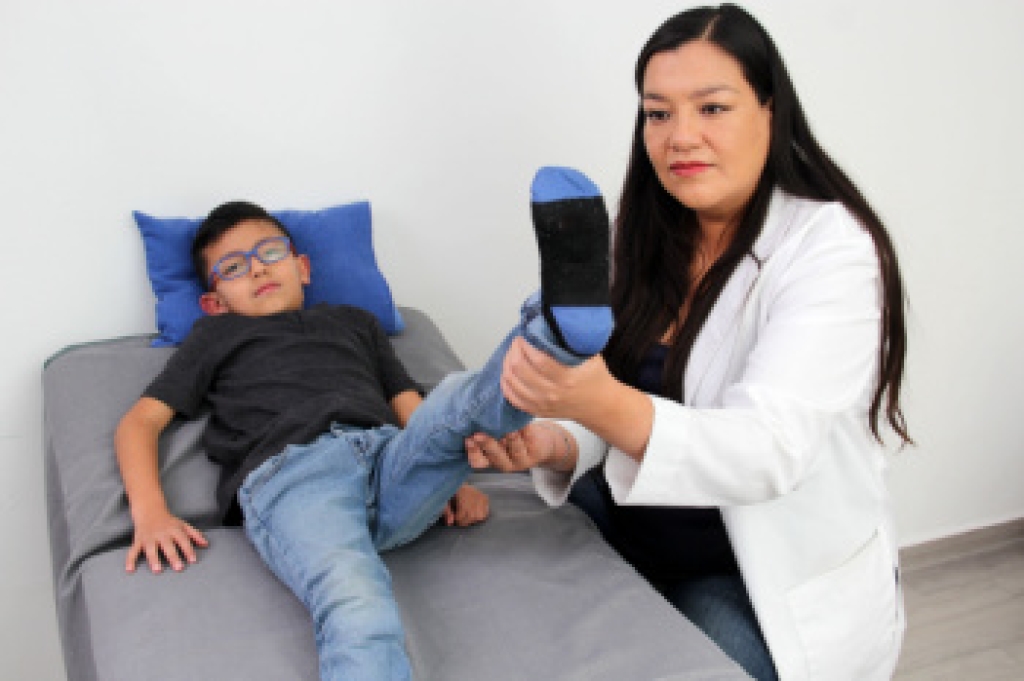
Keeping Children's Feet Healthy

Having healthy feet during childhood can help prevent medical problems later in life, namely in the back and legs. As children grow, their feet require different types of care. Here are some things to consider...

Although babies do not walk yet, it is still very important to take care of their feet.

Avoid putting tight shoes or socks on his or her feet.

Allow the baby to stretch and kick his or her feet to feel comfortable.

As a toddler, kids are now on the move and begin to develop differently. At this age, toddlers are getting a feel for walking, so don’t be alarmed if your toddler is unsteady or ‘walks funny’. 

As your child gets older, it is important to teach them how to take care of their feet.

Show them proper hygiene to prevent infections such as fungus.

Be watchful for any pain or injury.

Have all injuries checked by a doctor as soon as possible.

Comfortable, protective shoes should always be worn, especially at play.

If you have any questions, please feel free to contact our offices located in Northwest Chicago, Southwest Chicago, and Wicker Park, Chicago, IL . We offer the newest diagnostic and treatment technologies for all your foot care needs.
Read more about What to Do to Keep Your Child’s Feet Healthy

Surgical Treatment for Hammertoe

Hammertoe is a deformity where one of the smaller toes bends downward at the middle joint, giving it a hammer-like appearance. It is often caused by wearing shoes that are too tight or narrow. This forces the toe into a bent position, which can lead to discomfort, irritation, corns, or calluses. When a hammertoe progresses and other treatment fails to provide relief, surgery may be necessary. Options include lengthening the tendon to release the tightness, a tendon transfer to balance the toe's position, or joint fusion to create stability. These procedures aim to realign the toe and alleviate pain. After surgery, a patient may need to wear a specialized shoe or boot for a few weeks to support healing. Full recovery typically takes four to six weeks. A podiatrist can examine the hammertoe to determine which treatment option is best, based on the severity and stiffness involved. If you have a painful hammertoe, it is suggested that you schedule an appointment with a podiatrist.

Foot surgery is sometimes necessary to treat a foot ailment. To learn more, contact one of our podiatrists of Dr. Jeffrey J. Betman & Associates . Our doctors will assist you with all of your foot and ankle needs.

When Is Surgery Necessary?

Foot and ankle surgery is generally reserved for cases in which less invasive, conservative procedures have failed to alleviate the problem. Some of the cases in which surgery may be necessary include:

  • Removing foot deformities like bunions and bone spurs
  • Severe arthritis that has caused bone issues
  • Cosmetic reconstruction

What Types of Surgery Are There?

The type of surgery you receive will depend on the nature of the problem you have. Some of the possible surgeries include:

  • Bunionectomy for painful bunions
  • Surgical fusion for realignment of bones
  • Neuropathy decompression surgery to treat nerve damage

Benefits of Surgery

Although surgery is usually a last resort, it can provide more complete pain relief compared to non-surgical methods and may allow you to finally resume full activity.

Surgical techniques have also become increasingly sophisticated. Techniques like endoscopic surgery allow for smaller incisions and faster recovery times.

If you have any questions, please feel free to contact our offices located in Northwest Chicago, Southwest Chicago, and Wicker Park, Chicago, IL . We offer the newest diagnostic and treatment technologies for all your foot care needs.

Read more about Foot and Ankle Surgery

Pros and Cons of Laser Toenail Fungus Removal

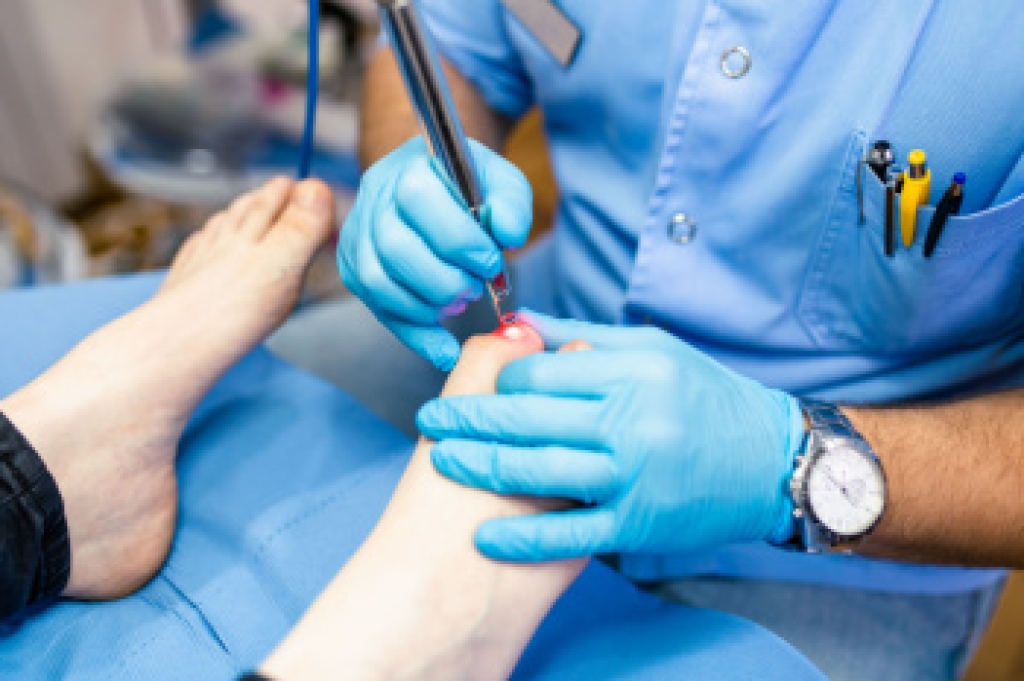
Toenail laser treatment has gained popularity as a treatment for toenail fungal infections, offering a modern alternative to traditional methods. One significant advantage is its effectiveness, as lasers target infected tissue without harming surrounding areas, often resulting in quicker recovery times and minimal discomfort. Additionally, this procedure requires no anesthesia and can be completed in a short session, making it convenient for patients. However, there are also drawbacks to consider. The cost of laser treatment can be higher than conventional options, and multiple sessions may be necessary for optimal results. Furthermore, while the procedure is generally safe, some individuals may experience temporary side effects such as redness or swelling. If you have toenail fungus, it is suggested that you consult a podiatrist who can determine if laser treatment is right for you.

Laser treatment can be an effective way to get rid of toenail fungus. If you have any questions about laser treatment, consult with one of our podiatrists from Dr. Jeffrey J. Betman & Associates . Our doctors will assess your condition and provide you with quality treatment for fungal nails.

What Are Toenail Fungal Infections?

Onychomycosis, or fungal infection of the nail, is a relatively common and non-serious condition. Around 10 percent of U.S. citizens are afflicted with fungal nails. Common forms of fungus that infect the nail include dermatophytes, yeasts, and molds.

Symptoms of Toenail Fungal Infections Include:

  • Nail thickening
  • Brittleness of the nail
  • Discoloration of the nail

Diagnosis for Fungal Nails

Fungal infections are diagnosed by fungal culture and microscopy. This will rule out any other conditions such as nail trauma, psoriasis, lichen planus, and onychogryphosis.

What Is Laser Treatment?

Laser treatment is a non-invasive, safe, quick, and painless procedure that uses the heat from a laser to kill fungus in the nail. Each infected nail is targeted with a laser for several minutes. The treatment is usually utilized several different times over a select period. During this time, a podiatrist will keep an eye on the infection.

If you have any questions, please feel free to contact our offices located in Northwest Chicago, Southwest Chicago, and Wicker Park, Chicago, IL . We offer the newest diagnostic and treatment technologies for all your foot care needs.
Read more about Laser Treatment for Fungal Nails

Differences Between Corns and Calluses

Corns and calluses are both thickened areas of skin that develop due to repeated friction or pressure, but they differ in their location and appearance. Corns typically form on the toes or between the toes, appearing as small, thickened, and often painful areas with a central core. They are usually caused by wearing tight or ill-fitting shoes that create localized pressure on specific points. Symptoms include pain, tenderness, and sometimes redness. Calluses, on the other hand, usually develop on the soles of the feet or other weight-bearing areas. They are larger and less defined than corns. They are also generally less painful. Calluses form as a protective response to repeated friction or pressure, often from walking or standing for long periods. Treatment for both conditions involves reducing pressure and friction. If you have corns or calluses that impede your daily activities, it is suggested you schedule an appointment with a podiatrist to discuss effective relief and management techniques.

Corns can make walking very painful and should be treated immediately. If you have questions regarding your feet and ankles, contact one of our podiatrists of Dr. Jeffrey J. Betman & Associates . Our doctors will treat your foot and ankle needs.

Corns: What Are They? And How Do You Get Rid of Them?
Corns are thickened areas on the skin that can become painful. They are caused by excessive pressure and friction on the skin. Corns press into the deeper layers of the skin and are usually round in shape.

Ways to Prevent Corns
There are many ways to get rid of painful corns such as:

  • Wearing properly fitting shoes that have been measured by a professional
  • Wearing shoes that are not sharply pointed or have high heels
  • Wearing only shoes that offer support

Treating Corns

Although most corns slowly disappear when the friction or pressure stops, this isn’t always the case. Consult with your podiatrist to determine the best treatment option for your case of corns.

If you have any questions, please feel free to contact our offices located in Northwest Chicago, Southwest Chicago, and Wicker Park, Chicago, IL . We offer the newest diagnostic and treatment technologies for all your foot care needs.

Read more about Corns: What Are They, and How Do You Get Rid of Them

Connect With Us