Prevent the Fear of Falling

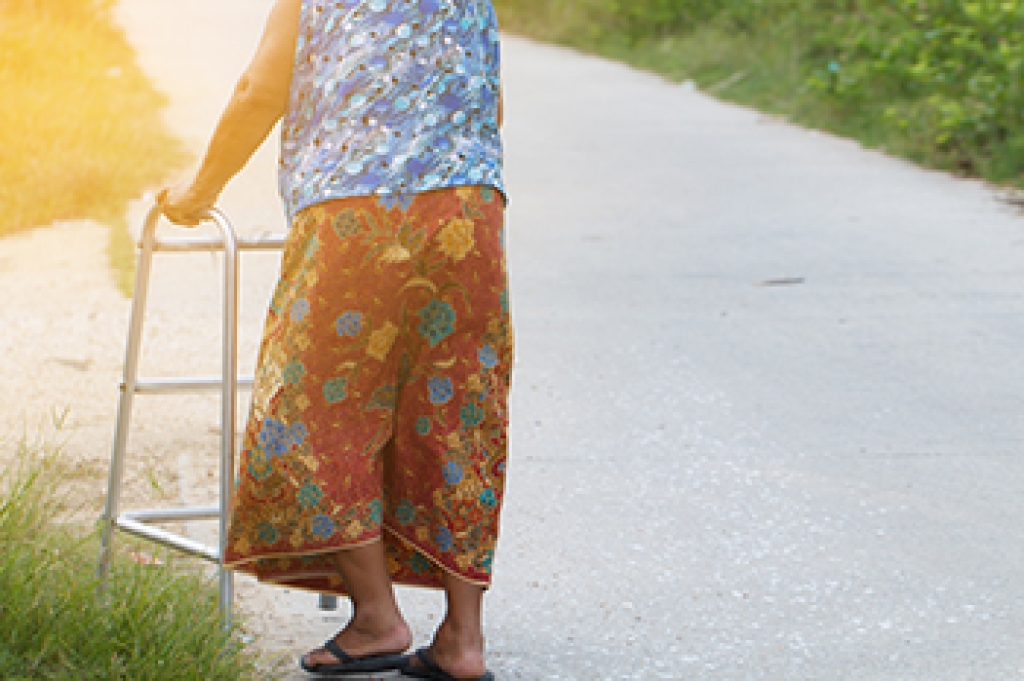
Recent studies have shown that falling episodes in seniors may be more prevalent in the fall and winter months. This may be a result of the changes the body undergoes in this type of weather, and people may not be able to react in time to prevent a fall from occurring. Falling is said to be a leading cause for a variety of injuries in people over 65 years old. Many seniors who fall can develop a fear of falling, which may lead to limiting everyday activities. This can limit mobility, and physical activity may be stopped. It is beneficial to learn about effective fall prevention methods to restore mobility and enjoyment in daily activities. These can include improving lighting in the household and removing worn rugs from the steps. Additionally, it is important to have routine physical and eye examinations to update existing medication and eyeglasses. Falling can impact the feet, and it is suggested that you consult with a podiatrist who can inform you of practical fall-prevention techniques for foot protection.

Preventing falls among the elderly is very important. If you are older and have fallen or fear that you are prone to falling, consult with one of our podiatrists from Dr. Jeffrey J. Betman & Associates . Our doctors will assess your condition and provide you with quality advice and care.

Every 11 seconds, an elderly American is being treated in an emergency room for a fall related injury. Falls are the leading cause of head and hip injuries for those 65 and older. Due to decreases in strength, balance, senses, and lack of awareness, elderly persons are very susceptible to falling. Thankfully, there are a number of things older persons can do to prevent falls.

How to Prevent Falls

Some effective methods that older persons can do to prevent falls include:

  • Enrolling in strength and balance exercise program to increase balance and strength
  • Periodically having your sight and hearing checked
  • Discuss any medications you have with a doctor to see if it increases the risk of falling
  • Clearing the house of falling hazards and installing devices like grab bars and railings
  • Utilizing a walker or cane
  • Wearing shoes that provide good support and cushioning
  • Talking to family members about falling and increasing awareness

Falling can be a traumatic and embarrassing experience for elderly persons; this can make them less willing to leave the house, and less willing to talk to someone about their fears of falling. Doing such things, however, will increase the likelihood of tripping or losing one’s balance. Knowing the causes of falling and how to prevent them is the best way to mitigate the risk of serious injury.  

If you have any questions, please feel free to contact our offices located in Northwest Chicago, Southwest Chicago, and Wicker Park, Chicago, IL . We offer the newest diagnostic and treatment technologies for all your foot care needs.
Read more about Falls Prevention

Types of Pain in the Ankle

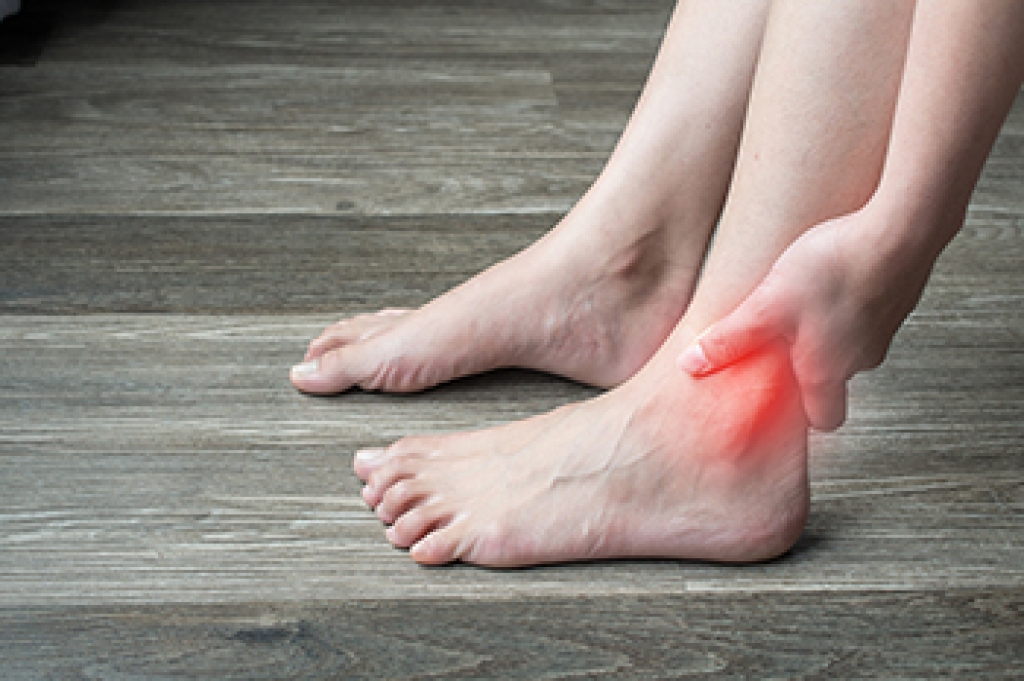
Ankle pain can be brought on by over-exercising or wearing shoes that do not fit properly. Such pain can also arise from a sprained ankle, Achilles tendonitis, or bursitis, among other things. Symptoms of a sprained ankle are usually pain, swelling, and bruising. Achilles tendonitis results from over-stretching of the Achilles tendon. Pain will often be felt in the ankle, heel, and possibly the calf, especially when standing on the tiptoes. Bursitis is when the fluid-filled sacs around the joints become inflamed. One might experience redness and swelling in the ankle, in addition to a dull aching pain. If you suffer from ankle pain and it is not improving with rest and cessation of activity, it is suggested that you see a podiatrist to help determine its cause and obtain a treatment plan.

Ankle pain can be caused by a number of problems and may be potentially serious. If you have ankle pain, consult with one of our podiatrists from Dr. Jeffrey J. Betman & Associates . Our doctors will assess your condition and provide you with quality foot and ankle treatment.

Ankle pain is any condition that causes pain in the ankle. Due to the fact that the ankle consists of tendons, muscles, bones, and ligaments, ankle pain can come from a number of different conditions.

Causes

The most common causes of ankle pain include:

  • Types of arthritis (rheumatoid, osteoarthritis, and gout)
  • Ankle sprains
  • Broken ankles
  • Achilles tendonitis
  • Achilles tendon rupture
  • Stress fractures
  • Bursitis
  • Tarsal tunnel syndrome
  • Plantar fasciitis

Symptoms

Symptoms of ankle injury vary based upon the condition. Pain may include general pain and discomfort, swelling, aching, redness, bruising, burning or stabbing sensations, and/or loss of sensation.

Diagnosis

Due to the wide variety of potential causes of ankle pain, podiatrists will utilize a number of different methods to properly diagnose ankle pain. This can include asking for personal and family medical histories and of any recent injuries. Further diagnosis may include sensation tests, a physical examination, and potentially x-rays or other imaging tests.

Treatment

Just as the range of causes varies widely, so do treatments. Some more common treatments are rest, ice packs, keeping pressure off the foot, orthotics and braces, medication for inflammation and pain, and surgery.

If you have any questions please feel free to contact our offices located in Northwest Chicago, Southwest Chicago, and Wicker Park, Chicago, IL . We offer the newest diagnostic tools and technology to treat your foot and ankle needs.

Read more about Ankle Pain

What Are the Cuneiform Bones?

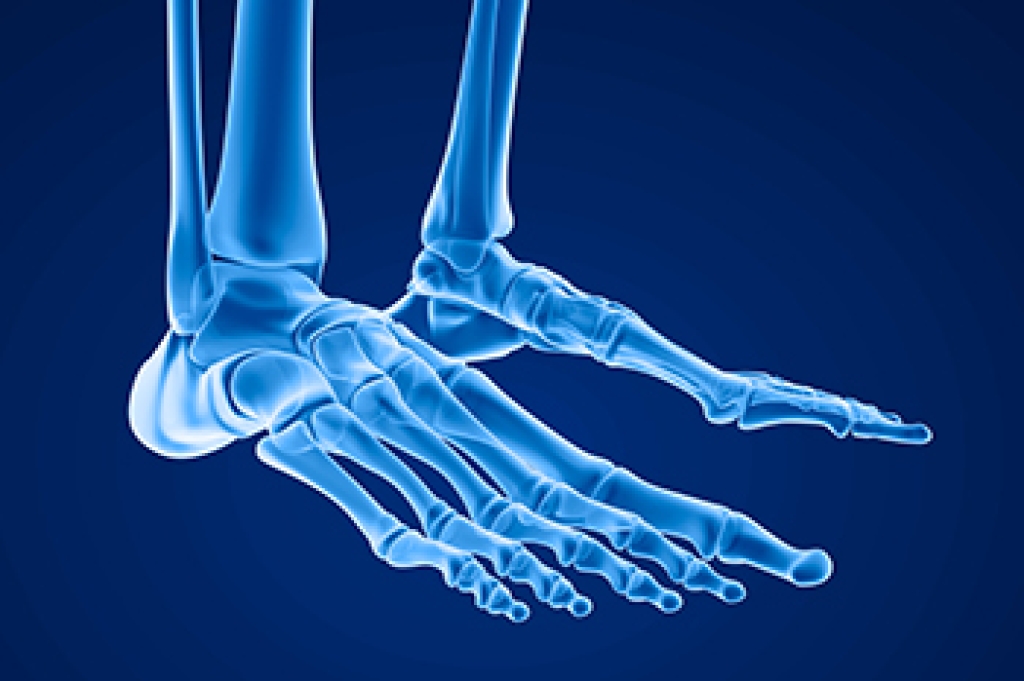
The feet are highly intricate parts of the human body that have many different bones, each serving different and specialized functions. The cuneiform bones are a special group of bones in the feet that are located on the medial side of the foot. It can be important to learn more about these important bones to improve one’s knowledge of how the human foot functions. These bones help create the arch of the foot, and they are each located above the metatarsal bones. Importantly, there are three different cuneiform bones, each located next to the other. First, there is the medial cuneiform bone located at the edge of the foot. Second, there is the intermediate cuneiform bone located in between the other cuneiform bones. Third, and lastly, there is the lateral cuneiform bone. If you are someone who wants to learn more about the biomechanics of the human foot, it is suggested that you contact a podiatrist today and schedule an appointment.

If you have any concerns about your feet, contact one of our podiatrists from Dr. Jeffrey J. Betman & Associates . Our doctors can provide the care you need to keep you pain-free and on your feet.

Biomechanics in Podiatry

Podiatric biomechanics is a particular sector of specialty podiatry with licensed practitioners who are trained to diagnose and treat conditions affecting the foot, ankle and lower leg. Biomechanics deals with the forces that act against the body, causing an interference with the biological structures. It focuses on the movement of the ankle, the foot and the forces that interact with them.

A History of Biomechanics

  • Biomechanics dates back to the BC era in Egypt where evidence of professional foot care has been recorded.
  • In 1974, biomechanics gained a higher profile from the studies of Merton Root, who claimed that by changing or controlling the forces between the ankle and the foot, corrections or conditions could be implemented to gain strength and coordination in the area.

Modern technological improvements are based on past theories and therapeutic processes that provide a better understanding of podiatric concepts for biomechanics. Computers can provide accurate information about the forces and patterns of the feet and lower legs.

Understanding biomechanics of the feet can help improve and eliminate pain, stopping further stress to the foot.

If you have any questions please feel free to contact our offices located in Northwest Chicago, Southwest Chicago, and Wicker Park, Chicago, IL . We offer the newest diagnostic and treatment technologies for all your foot and ankle needs.

Read more about The Importance of Biomechanics in Podiatry

No Running With a Stress Fracture

When a stress fracture is incurred, it can be a runner’s worst nightmare. A stress fracture is a hairline fracture that happens from increased pressure on the feet while participating in running and jumping activities. Some patients have a predisposition to stress fractures, which may include having weak and narrow bones. The minimum recovery time for a complete recovery is six weeks and it is imperative to the healing process that running is stopped during this time. When the foot has healed, it is beneficial to begin running gradually and increase speed and distance slowly. Additionally, it can help to perform basic foot stretches to give the foot a chance to become stronger. If you have foot pain and are unable to run, it is suggested that you contact a podiatrist who can determine if a stress fracture has occurred, and offer you the correct treatment options.

Activities where too much pressure is put on the feet can cause stress fractures. To learn more, contact one of our podiatrists from Dr. Jeffrey J. Betman & Associates . Our doctors can provide the care you need to keep your pain free and on your feet.

Dealing with Stress Fractures of the Foot and Ankle

Stress fractures occur in the foot and ankle when muscles in these areas weaken from too much or too little use.  The feet and ankles then lose support when walking or running from the impact of the ground. Since there is no protection, the bones receive the full impact of each step. Stress on the feet can cause cracks to form in the bones, thus creating stress fractures.

What Are Stress Fractures?

Stress fractures occur frequently in individuals whose daily activities cause great impact on the feet and ankles. Stress factors are most common among:

  • Runners                                
  • People affected with Osteoporosis
  • Tennis or basketball players
  • Gymnasts
  • High impact workouts

Symptoms

Pain from the fractures occur in the area of the fractures and can be constant or intermittent. It will often cause sharp or dull pain with swelling and tenderness. Engaging in any kind of activity which involves high impact will aggravate pain.

If you have any questions please contact our offices located in Northwest Chicago, Southwest Chicago, and Wicker Park, Chicago, IL . We offer the newest diagnostic and treatment technologies for all your foot and ankle needs.

Read more about Dealing with Stress Fractures of the Foot and Ankle

Let the Expert Treat Your Ingrown Toenails

Ingrown toenails can be painful and can make wearing shoes or walking uncomfortable. Seek professional help if you believe you've developed an ingrown toenail and be treated safely. 

Connect With Us