Benefits of Soaking Feet in Vinegar

Even though our feet are responsible for so much of what we need to get through life, they are often neglected until they cause us discomfort. Given that our feet often get dry, and can be exposed to harmful bacteria, such as toenail fungus, it is beneficial over the course of one’s life to take proper care of them. Not many people know that soaking feet in apple cider vinegar has many benefits. It can help control infections, neutralize bad odors, soften the skin, hydrate feet, and calm itching. Apple cider vinegar is rich in acids and antifungal ingredients that can help regulate the pH balance of our skin. Simply add a cup of vinegar to a bowl of warm water and soak your feet for 15 to 20 minutes. Repeat this treatment two or three times each week. Though this is a unique and natural part of routine foot care, if you should feel pain or notice something unusual going on with your feet, consult a podiatrist who can diagnose any problems and provide treatment for relief.

Everyday foot care is very important to prevent infection and other foot ailments. If you need your feet checked, contact one of our podiatrists from Dr. Jeffrey J. Betman & Associates . Our doctors can provide the care you need to keep you pain-free and on your feet.

Everyday Foot Care

Often, people take care of their bodies, face and hair more so than they do for their feet. But the feet are a very important aspect of our bodies, and one that we should pay more attention to. Without our feet, we would not be able to perform most daily tasks.

It is best to check your feet regularly to make sure there are no new bruises or cuts that you may not have noticed before. For dry feet, moisturizer can easily be a remedy and can be applied as often as necessary to the affected areas. Wearing shoes that fit well can also help you maintain good foot health, as well as making it easier to walk and do daily activities without the stress or pain of ill-fitting shoes, high heels, or even flip flops. Wearing clean socks with closed shoes is important to ensure that sweat and bacteria do not accumulate within the shoe. Clean socks help to prevent Athlete’s foot, fungi problems, bad odors, and can absorb sweat.

If you have any questions, please feel free to contact our offices located in Northwest Chicago, Southwest Chicago, and Wicker Park, Chicago, IL . We offer the newest diagnostic and treatment technologies for all your foot care needs.
Read more about Every Day Foot Care

Dealing With Achilles Tendonitis

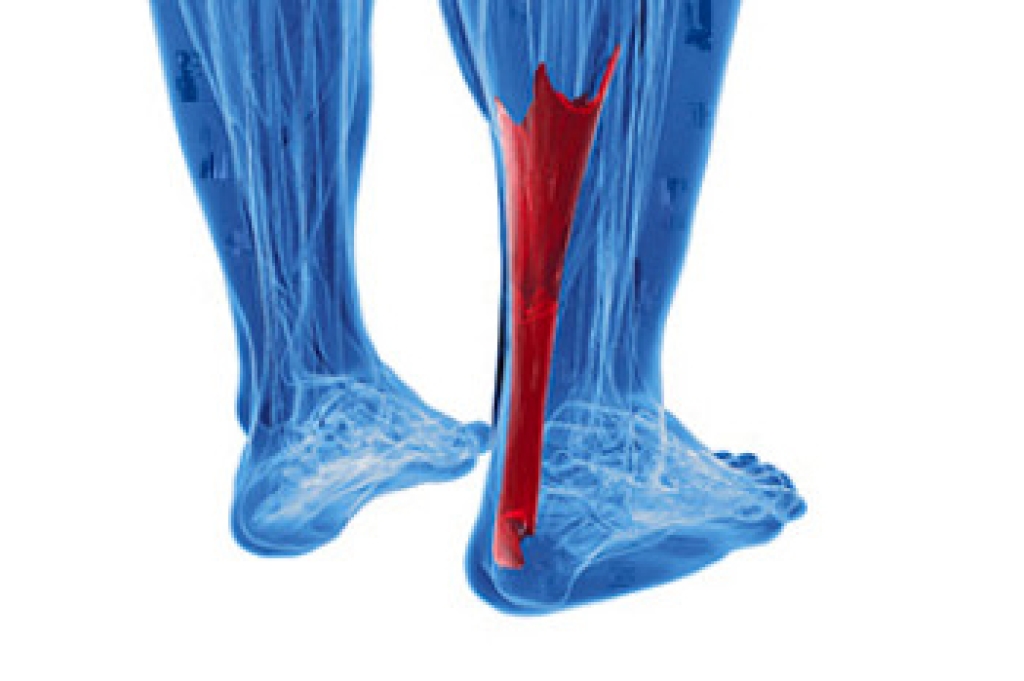
The Achilles tendon connects the heel to the bones of the leg. When it becomes irritated or swollen, inflammation may set in that causes a painful condition known as Achilles tendonitis. Other symptoms include stiffness and soreness in the heel, a crackling sound when the ankle moves, pain when the foot is extended, and weakness in the affected leg. Achilles tendonitis is common among athletes whose sport or activity puts particular stress on the heel, such as running, jumping, basketball, dancing, skiing, or figure skating. A walking boot or cast may be necessary for stability, and custom orthotics may help to keep the injury from recurring. In severe cases, surgery may be required. Seeing a podiatrist is a wise way to find out the best treatment options to combat this condition. 

Achilles tendon injuries need immediate attention to avoid future complications. If you have any concerns, contact one of our podiatrists of Dr. Jeffrey J. Betman & Associates . Our doctors can provide the care you need to keep you pain-free and on your feet.

What Is the Achilles Tendon?

The Achilles tendon is a tendon that connects the lower leg muscles and calf to the heel of the foot. It is the strongest tendon in the human body and is essential for making movement possible. Because this tendon is such an integral part of the body, any injuries to it can create immense difficulties and should immediately be presented to a doctor.

What Are the Symptoms of an Achilles Tendon Injury?

There are various types of injuries that can affect the Achilles tendon. The two most common injuries are Achilles tendinitis and ruptures of the tendon.

Achilles Tendinitis Symptoms

  • Inflammation
  • Dull to severe pain
  • Increased blood flow to the tendon
  • Thickening of the tendon

Rupture Symptoms

  • Extreme pain and swelling in the foot
  • Total immobility

Treatment and Prevention

Achilles tendon injuries are diagnosed by a thorough physical evaluation, which can include an MRI. Treatment involves rest, physical therapy, and in some cases, surgery. However, various preventative measures can be taken to avoid these injuries, such as:

  • Thorough stretching of the tendon before and after exercise
  • Strengthening exercises like calf raises, squats, leg curls, leg extensions, leg raises, lunges, and leg presses

If you have any questions please feel free to contact our offices located in Northwest Chicago, Southwest Chicago, and Wicker Park, Chicago, IL . We offer the newest diagnostic tools and technology to treat your foot and ankle needs.

Read more about What are Achilles Tendon Injuries

We Can Treat Your Foot or Ankle Pain

Foot or ankle pain can negatively affect your day-to-day life and can occur due to several different conditions. Pain can also be an indicator of a more serious underlying condition, which is why you should seek professional help as soon as you notice any abnormalities in your feet.

All About Foot Mechanics

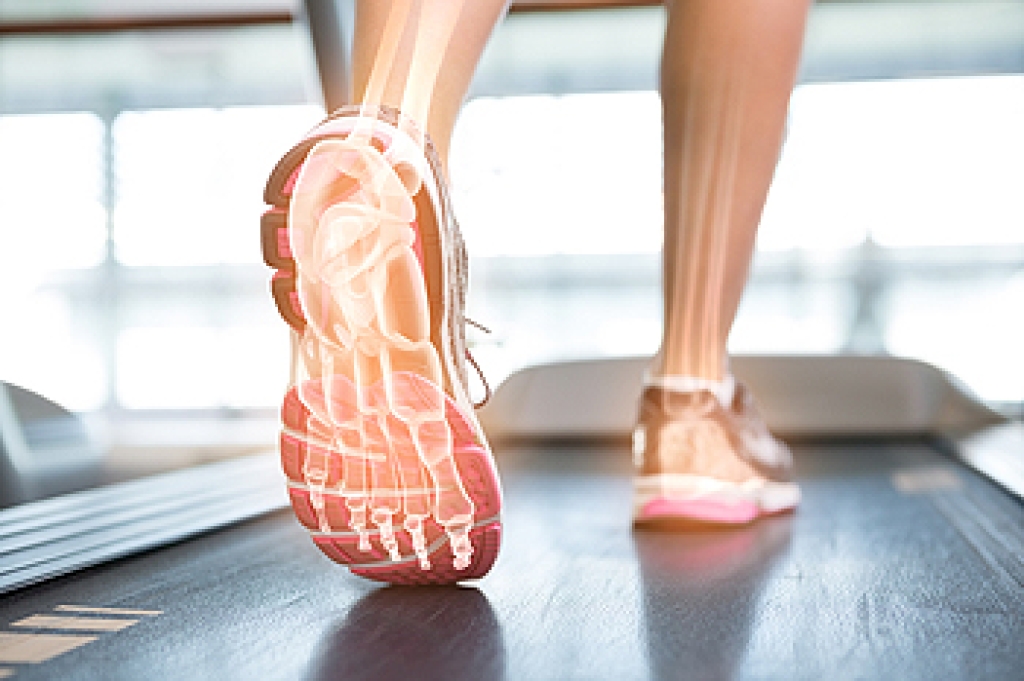
The design of the many different bones, muscles, and ligaments in the feet is masterful and enables the feet to move to perform their different functions. There are 26 bones in each foot, which includes the phalanges in the toes, the metatarsals in the middle of the foot, and the calcaneus bone at the heel. There are also approximately 30 joints in the feet and 100 different ligaments. The feet contain a group of intrinsic muscles and ligaments. These are primarily located across the bottoms, or soles, of the feet. This group is contrasted with the extrinsic muscles and ligaments that are found in the lower leg and essentially curve around the ankle. This then attaches to the foot. If you want to learn more about the biomechanics of the foot and how this critical body part functions, contact a podiatrist today.

If you have any concerns about your feet, contact one of our podiatrists from Dr. Jeffrey J. Betman & Associates . Our doctors can provide the care you need to keep you pain-free and on your feet.

Biomechanics in Podiatry

Podiatric biomechanics is a particular sector of specialty podiatry with licensed practitioners who are trained to diagnose and treat conditions affecting the foot, ankle and lower leg. Biomechanics deals with the forces that act against the body, causing an interference with the biological structures. It focuses on the movement of the ankle, the foot and the forces that interact with them.

A History of Biomechanics

  • Biomechanics dates back to the BC era in Egypt where evidence of professional foot care has been recorded.
  • In 1974, biomechanics gained a higher profile from the studies of Merton Root, who claimed that by changing or controlling the forces between the ankle and the foot, corrections or conditions could be implemented to gain strength and coordination in the area.

Modern technological improvements are based on past theories and therapeutic processes that provide a better understanding of podiatric concepts for biomechanics. Computers can provide accurate information about the forces and patterns of the feet and lower legs.

Understanding biomechanics of the feet can help improve and eliminate pain, stopping further stress to the foot.

If you have any questions please feel free to contact our offices located in Northwest Chicago, Southwest Chicago, and Wicker Park, Chicago, IL . We offer the newest diagnostic and treatment technologies for all your foot and ankle needs.

Read more about Biomechanics in Podiatry

Simple Methods to Protect Your Feet During the Workday

The feet carry the weight of the body, and can endure an excessive amount of stress during the work day. Many people have professions that require standing or walking for the majority of the day, and that can wreak havoc on the body. This can increase the risk of having foot pain and discomfort, and it can be difficult to complete daily activities. It is beneficial to wear shoes that fit correctly, and this may help to alleviate the pain. Some patients add a cushioned insole to their shoe, in addition to wearing shoes that have laces which can provide maximum support to the feet and the body as the workday progresses. At the end of the day, the feet will feel better when they are washed, and this may be helpful in preventing fungus from developing. Consuming a healthy diet may help to avoid or limit dehydration, which may result in having foot pain. If you have a career that requires standing, please confer with a podiatrist who can discuss methods of how to prevent potential foot pain.

While working on the feet, it is important to take the proper care of them. For more information about working on your feet, contact one of our podiatrists from Dr. Jeffrey J. Betman & Associates . Our doctors will treat your foot and ankle needs.

Working on Your Feet

Standing on your feet for long periods of time can cause stress and pain in your feet. Your whole body may experience change in terms of posture, back pain, bunions, callouses and or plantar warts. There are ways to avoid these conditions with proper foot care, smart choices and correct posture.

Positive Changes

Negative heeled shoe – Choosing this shoe type places the heel slightly lower than the ball of the foot. These are great for overall foot health. Find shoes that fit you correctly.

Go barefoot – Our feet were not designed to be enclosed for all hours of the day. Try to periodically expose your feet to air.

Eliminate Pain

Foot Exercises – Performing simple exercises, incorporating yoga and doing stretches are beneficial. This will allow increased blood flow to the area and muscles of the foot.

Achilles tendon – Stretching the foot out flat on the floor will relax the calf muscles and tendon. These exercises can be performed almost anywhere. Make sure you add these exercises to your daily regimen. 

With a little bit of this information and knowing more about foot health, you will notice changes. Foot stretches and proper footwear will help with pain and prevent further issues.

If you have any questions please contact our offices located in Northwest Chicago, Southwest Chicago, and Wicker Park, Chicago, IL . We offer the newest diagnostic and treatment technologies for all your foot and ankle needs.

Read more about Working on Your Feet

All About Bunionettes

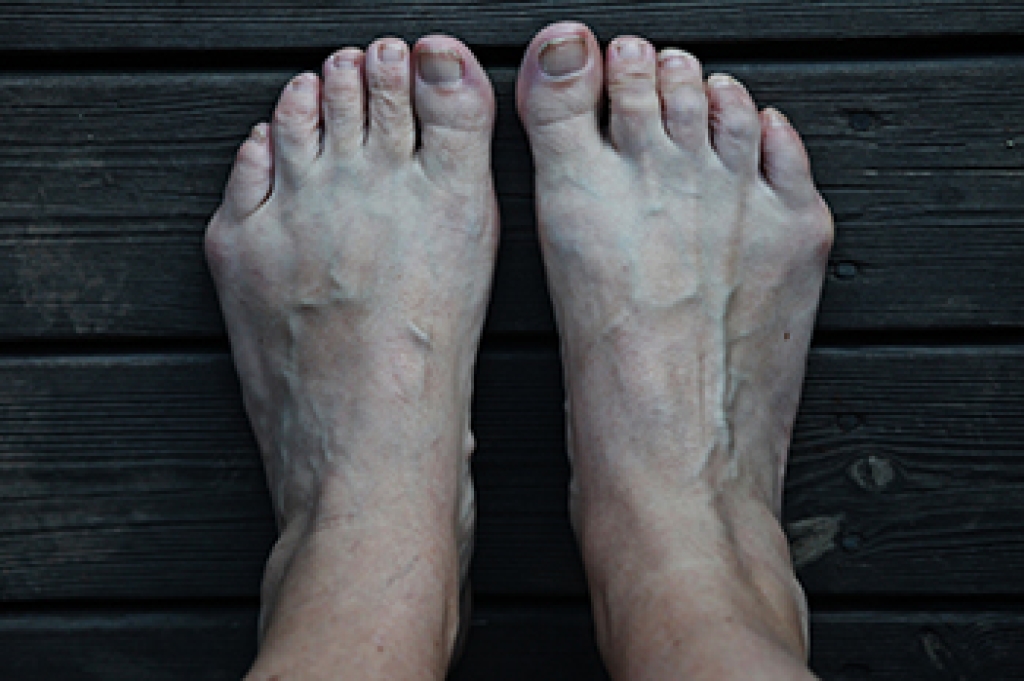
Bunions are bony bumps that can develop on the outside of a toe. Commonly, bunions form at the side of the big toe; however, when they develop on the pinky toe, they are called bunionettes. Also referred to as a tailor’s bunion, a bunionette often develops when the structure of the bones in the foot changes and the pinky toe begins to point inward. Individuals who have a bunionette can experience any number of symptoms. For example, bunionettes can cause redness, pain, and inflammation at the affected area. When diagnosing your bunionette a podiatrist may want to do an X-ray, because this procedure can reveal important information about the underlying bone structure in your feet. A bunionette may be treated in many ways, such as modifying one’s footwear or utilizing orthotics. Contact a podiatrist today for more information about bunionettes.

If you are suffering from bunions, contact one of our podiatrists of Dr. Jeffrey J. Betman & Associates . Our doctors can provide the care you need to keep you pain-free and on your feet.

What Is a Bunion?

A bunion is formed of swollen tissue or an enlargement of boney growth, usually located at the base joint of the toe that connects to the foot. The swelling occurs due to the bones in the big toe shifting inward, which impacts the other toes of the foot. This causes the area around the base of the big toe to become inflamed and painful.

Why Do Bunions Form?

Genetics – Susceptibility to bunions are often hereditary

Stress on the feet – Poorly fitted and uncomfortable footwear that places stress on feet, such as heels, can worsen existing bunions

How Are Bunions Diagnosed?

Podiatrists often perform two tests – blood tests and x-rays – when trying to diagnose bunions, especially in the early stages of development. Blood tests help determine if the foot pain is being caused by something else, such as arthritis, while x-rays provide a clear picture of your bone structure to your provider.

How Are Bunions Treated?

  • Refrain from wearing heels or similar shoes that cause discomfort
  • Select wider shoes that can provide more comfort and reduce pain
  • Anti-inflammatory and pain management drugs
  • Orthotics or foot inserts
  • Surgery

If you have any questions, please feel free to contact our offices located in Northwest Chicago, Southwest Chicago, and Wicker Park, Chicago, IL . We offer the newest diagnostic and treatment technologies for all your foot care needs.
Read more about Bunions

Stretching May Help to Prevent Running Injuries

Anyone who enjoys running needs to be aware that an injury can interrupt their daily exercise routine. Many people who have endured a running injury will continue to run making the injury worse. It is helpful to implement effective strategies that can help to prevent running injuries. These can consist of stretching before and after running. Additionally, gradually increasing duration and speed as this can provide the body with flexibility. Strength training is essential to practice, which is an efficient method for building and maintaining muscle strength. Research has shown it is beneficial to eat healthy and balanced foods that have adequate nutrients and vitamins. Running injuries often affect the feet and many people can endure a broken foot or ankle. If you would like more information about how to practice effective methods to prevent running injuries, please confer with a podiatrist.

Exercising your feet regularly with the proper foot wear is a great way to prevent injuries. If you have any concerns about your feet, contact one of our podiatrists of Dr. Jeffrey J. Betman & Associates . Our doctors will treat your foot and ankle needs.

How to Prevent Running Injuries

Many common running injuries are caused by overuse and overtraining. When the back of the kneecap starts wearing out and starts causing pain in your knee, this is commonly referred to as runner’s knee. Runner’s knee is a decrease in strength in your quadriceps and can occur if you’re not wearing properly fitted or supporting shoes. To prevent runner’s knee, focusing on hip strengthening is a good idea, as well as strengthening your quads to keep the kneecaps aligned.

What Are Some Causes of Running Injuries? 
- One cause of a common running injury is called iliotibial band syndrome.
- Plantar fasciitis is also another common injury.
- Stress fractures can occur from overtraining, lack of calcium, or even your running style.

Best Ways to Prevent Running Injuries
- Wear footwear that fits properly and suits your running needs.
- Running shoes are the only protective gear that runners have to safeguard them from injury.
- Make a training schedule. Adding strengthening exercises as well as regular stretching can help keep you strong and limber and can lessen the possibility of injuries.
- Stretching keeps muscles limber; this will help you gain better flexibility.

If you have any questions, please feel free to contact our offices located in Northwest Chicago, Southwest Chicago, and Wicker Park, Chicago, IL . We offer the newest diagnostic and treatment technologies for all your foot care needs.
Read more about How to Prevent Running Injuries

Heel Spurs May or May Not Cause Pain

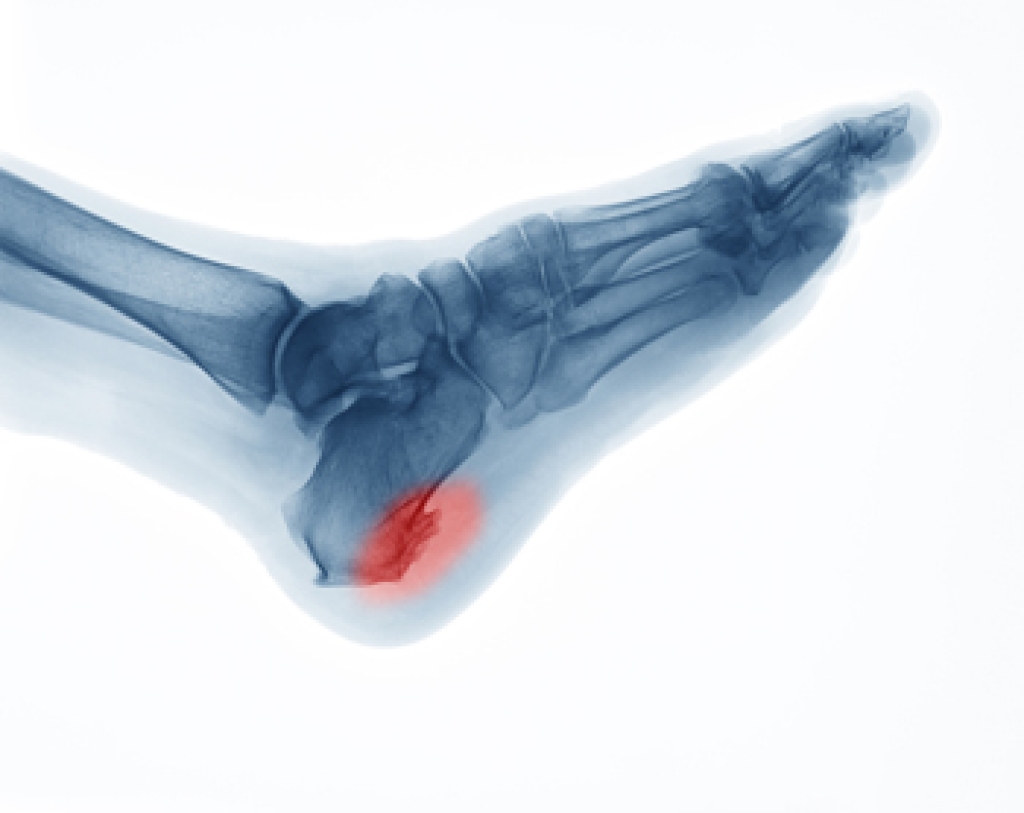
Heel spurs are small, bony growths on the heel of the foot. A spur may grow when the plantar fascia ligament that connects the heel bones to the toe bones become inflamed. The inflammation from a heel spur might cause discomfort or not. If it does hurt, there will be pain or tenderness over the weight-bearing part of the bottom of the heel. A bump can sometimes be felt when the area is touched. A spur will not be treated unless other conditions caused by inflammation causing the pain are non-existent. For example, plantar fasciitis may be the main source of pain, and that condition will be treated and the bone spur left alone. If you have a bone spur and pain, see a podiatrist to find out the source of pain so you can receive appropriate treatment options.

Heel spurs can be incredibly painful and sometimes may make you unable to participate in physical activities. To get medical care for your heel spurs, contact one of our podiatrists from Dr. Jeffrey J. Betman & Associates . Our doctors will do everything possible to treat your condition.

Heels Spurs

Heel spurs are formed by calcium deposits on the back of the foot where the heel is. This can also be caused by small fragments of bone breaking off one section of the foot, attaching onto the back of the foot. Heel spurs can also be bone growth on the back of the foot and may grow in the direction of the arch of the foot.

Older individuals usually suffer from heel spurs and pain sometimes intensifies with age. One of the main condition's spurs are related to is plantar fasciitis.

Pain

The pain associated with spurs is often because of weight placed on the feet. When someone is walking, their entire weight is concentrated on the feet. Bone spurs then have the tendency to affect other bones and tissues around the foot. As the pain continues, the feet will become tender and sensitive over time.

Treatments

There are many ways to treat heel spurs. If one is suffering from heel spurs in conjunction with pain, there are several methods for healing. Medication, surgery, and herbal care are some options.

If you have any questions, please feel free to contact our offices located in Northwest Chicago, Southwest Chicago, and Wicker Park, Chicago, IL . We offer the newest diagnostic and treatment technologies for all your foot care needs.
Read more about Heel Spurs

What Can Cause Gout?

The foot condition that is known as gout is a form of arthritis that affects millions of Americans. It is caused by excess uric acid in the blood, and can happen from genetic reasons, or from eating foods that have high levels of purines. These include shellfish, red meat, or drinks that are made with large amounts of sugar. The pain comes from crystals that lodge in the joints of the big toe, and can cause extreme difficulty in completing daily activities. In severe cases, many patients report they must crawl up the steps as a result of the debilitating pain, and often require immediate medical attention. Additional symptoms of gout can consist of redness and swelling surrounding the affected joints, and there may be large lumps under the skin that are referred to as tophi. These are typically painless, and may develop into chronic bouts of gout if left untreated. Gout is a painful foot condition, and it is strongly suggested that you consult with a podiatrist if you have the beginning signs of joint pain in the big toe. 

Gout is a foot condition that requires certain treatment and care. If you are seeking treatment, contact one of our podiatrists from Dr. Jeffrey J. Betman & Associates . Our doctors will treat your foot and ankle needs.

What Is Gout?

Gout is a type of arthritis caused by a buildup of uric acid in the bloodstream. It often develops in the foot, especially the big toe area, although it can manifest in other parts of the body as well. Gout can make walking and standing very painful and is especially common in diabetics and the obese.

People typically get gout because of a poor diet. Genetic predisposition is also a factor. The children of parents who have had gout frequently have a chance of developing it themselves.

Gout can easily be identified by redness and inflammation of the big toe and the surrounding areas of the foot. Other symptoms include extreme fatigue, joint pain, and running high fevers. Sometimes corticosteroid drugs can be prescribed to treat gout, but the best way to combat this disease is to get more exercise and eat a better diet.

If you have any questions, please feel free to contact our offices located in Northwest Chicago, Southwest Chicago, and Wicker Park, Chicago, IL . We offer the newest diagnostic and treatment technologies for all your foot care needs.
Read more about Everything You Need to Know About Gout

Connect With Us