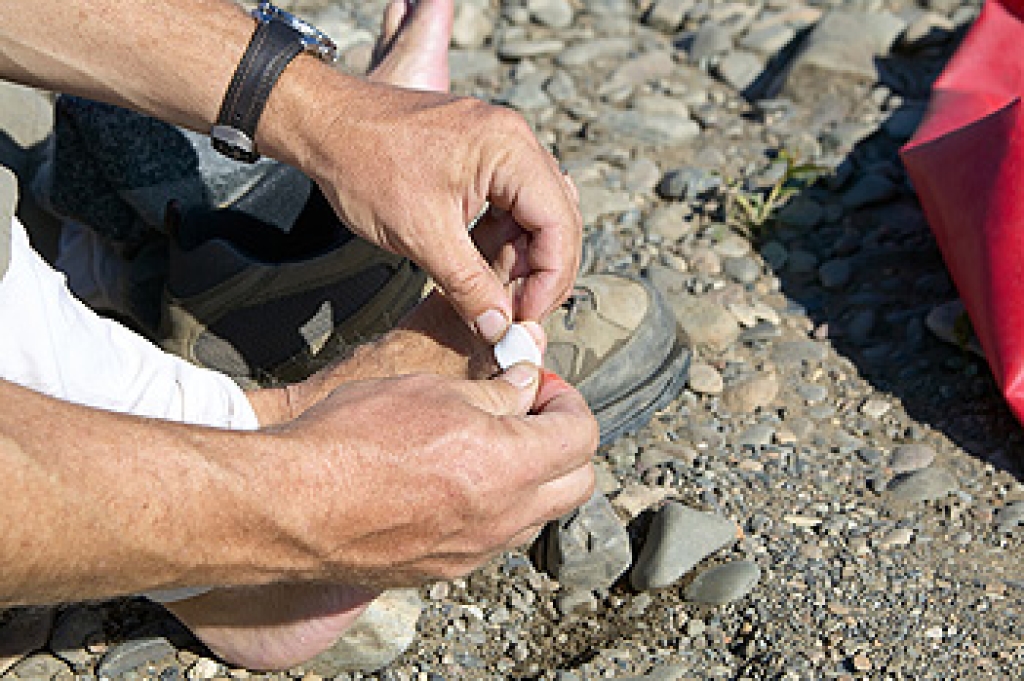
Preventing Foot Blisters While Hiking

Blisters are small pockets of fluid that form on the skin due to friction, pressure, or moisture, commonly occurring while hiking. They often develop when shoes rub against the foot, especially during long treks or with new or poorly fitting footwear. Preventing blisters begins with choosing the right socks made of moisture-wicking materials, breaking in new shoes gradually, and keeping feet dry throughout the hike. Proper foot care and attention to hotspots can significantly reduce the risk of painful blisters. A podiatrist can evaluate foot structure, recommend suitable hiking footwear, provide protective padding, and offer guidance on prevention strategies tailored to your feet. If you have developed painful blisters on your feet from hiking, it  is suggested that you consult a podiatrist who can treat them, and guide you on effective blister prevention tips.

Blisters are prone to making everyday activities extremely uncomfortable. If your feet are hurting, contact one of our podiatrists of Dr. Jeffrey J. Betman & Associates . Our doctors can provide the care you need to keep you pain-free and on your feet.

Foot Blisters

Foot blisters develop as a result of constantly wearing tight or ill-fitting footwear. This happens due to the constant rubbing from the shoe, which can often lead to pain.

What Are Foot Blisters?

A foot blister is a small fluid-filled pocket that forms on the upper-most layer of the skin. Blisters are filled with clear fluid and can lead to blood drainage or pus if the area becomes infected.

How Do Blisters Form?

Blisters on the feet are often the result of constant friction of skin and material, usually by shoe rubbing. Walking in sandals, boots, or shoes that don’t fit properly for long periods of time can result in a blister. Having consistent foot moisture and humidity can easily lead to blister formation.

Prevention & Treatment

It is important to properly care for the affected area in order to prevent infection and ease the pain. Do not lance the blister and use a Band-Aid to provide pain relief. Also, be sure to keep your feet dry and wear proper fitting shoes. If you see blood or pus in a blister, seek assistance from a podiatrist.

If you have any questions, please feel free to contact our offices located in Northwest Chicago, Southwest Chicago, and Wicker Park, Chicago, IL . We offer the newest diagnostic and treatment technologies for all your foot care needs.
Read more about Blisters

Sever’s Disease and How Early Care Supports Healing

Sever’s disease is a common cause of heel pain in growing children and often appears during growth spurts when the heel bone develops faster than the surrounding soft tissues. Symptoms may include stiffness, tenderness at the back of the heel, limping after activity, and swelling that can make the heel look slightly puffy or irritated. It may feel like a deep ache or sharp discomfort during running and jumping, and the child may avoid weight bearing on the affected side. Causes often relate to repetitive stress from sports, tight calf muscles, or biomechanical issues such as flat feet or high arches. A podiatrist can begin by assessing the child’s gait, examining the heel, and ruling out other conditions. Early diagnosis leads to effective treatment options, such as activity modification, heel cushions, stretching programs, and custom orthotics to reduce strain. Because timely care supports proper healing and comfort, it is suggested that you schedule an appointment with a podiatrist for effective relief tips.

Sever's disease often occurs in children and teens. If your child is experiencing foot or ankle pain, see one of our podiatrists from Dr. Jeffrey J. Betman & Associates . Our doctors can treat your child’s foot and ankle needs.

Sever’s Disease

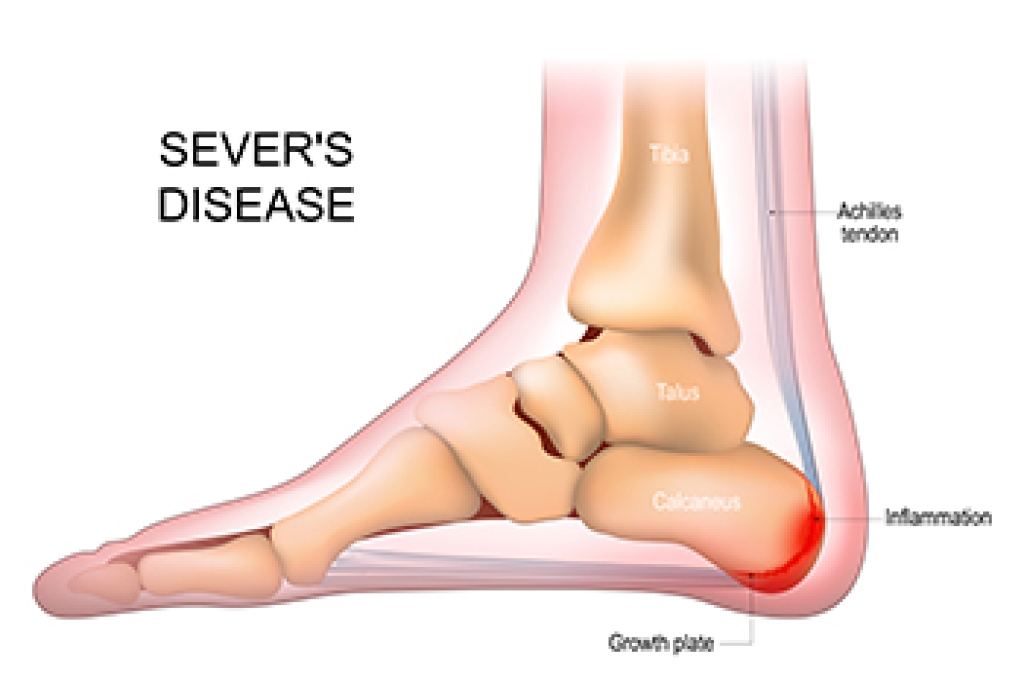
Sever’s disease is also known as calcaneal apophysitis, which is a medical condition that causes heel pain I none or both feet. The disease is known to affect children between the ages of 8 and 14.

Sever’s disease occurs when part of the child’s heel known as the growth plate (calcaneal epiphysis) is attached to the Achilles tendon. This area can suffer injury when the muscles and tendons of the growing foot do not keep pace with bone growth. Therefore, the constant pain which one experiences at the back of the heel will make the child unable to put any weight on the heel. The child is then forced to walk on their toes.

Symptoms

Acute pain – Pain associated with Sever’s disease is usually felt in the heel when the child engages in physical activity such as walking, jumping and or running.

Highly active – Children who are very active are among the most susceptible in experiencing Sever’s disease, because of the stress and tension placed on their feet.

If you have any questions, please feel free to contact our offices located in Northwest Chicago, Southwest Chicago, and Wicker Park, Chicago, IL . We offer the newest diagnostic and treatment technologies for all your foot care needs.

Read more about Sever's Disease

When Heel Pain Starts With the Plantar Fascia

Plantar fasciitis develops when the thick band of tissue along the bottom of the foot becomes irritated, often from repeated strain or limited flexibility in the surrounding muscles. Many people first notice a sharp or pulling sensation near the heel when getting out of bed or after sitting for a while. As the day goes on, the pain may ease, only to return after long periods of standing or increased activity. The condition can appear in anyone, especially those who spend long hours on their feet, have high or low arches, or wear shoes that lack steady support. Addressing the irritation early with stretching, wearing supportive footwear, and activity changes helps prevent the problem from becoming persistent. If heel discomfort continues or begins to interfere with daily movement, it is suggested that you schedule an appointment with a podiatrist for proper guidance.

Plantar fasciitis is a common foot condition that is often caused by a strain injury. If you are experiencing heel pain or symptoms of plantar fasciitis, contact one of our podiatrists from Dr. Jeffrey J. Betman & Associates . Our doctors can provide the care you need to keep you pain-free and on your feet.

What Is Plantar Fasciitis?

Plantar fasciitis is one of the most common causes of heel pain. The plantar fascia is a ligament that connects your heel to the front of your foot. When this ligament becomes inflamed, plantar fasciitis is the result. If you have plantar fasciitis you will have a stabbing pain that usually occurs with your first steps in the morning. As the day progresses and you walk around more, this pain will start to disappear, but it will return after long periods of standing or sitting.

What Causes Plantar Fasciitis?

  • Excessive running
  • Having high arches in your feet
  • Other foot issues such as flat feet
  • Pregnancy (due to the sudden weight gain)
  • Being on your feet very often

There are some risk factors that may make you more likely to develop plantar fasciitis compared to others. The condition most commonly affects adults between the ages of 40 and 60. It also tends to affect people who are obese because the extra pounds result in extra stress being placed on the plantar fascia.

Prevention

  • Take good care of your feet – Wear shoes that have good arch support and heel cushioning.
  • Maintain a healthy weight
  • If you are a runner, alternate running with other sports that won’t cause heel pain

There are a variety of treatment options available for plantar fasciitis along with the pain that accompanies it. Additionally, physical therapy is a very important component in the treatment process. It is important that you meet with your podiatrist to determine which treatment option is best for you.

If you have any questions, please feel free to contact our offices located in Northwest Chicago, Southwest Chicago, and Wicker Park, Chicago, IL . We offer the newest diagnostic and treatment technologies for all your foot care needs.

 

Read more about Plantar Fasciitis

Are You Suffering From Ingrown Toenails?

If left untreated, an ingrown toenail can lead to more serious concerns, such as an infection. Knowing proper nail care can help in the prevention of an ingrown toenail. Give us a call, and get treated!

The Strain That Long Hours on Your Feet Can Create

Spending most of the day standing can place steady pressure on the feet, ankles, and lower legs. Over time, this constant load may lead to aching arches, heel discomfort, swelling, or tight calf muscles. Some individuals also develop calluses, changes in posture, or fatigue that spreads into the knees or lower back. Hard floors, wearing unsupportive shoes, and limited opportunities to rest add to the strain and make recovery slower. Small changes such as choosing footwear with cushioning, taking brief seated breaks, and stretching during the day can help reduce stress on the feet. Paying attention to early signs of discomfort allows you to address concerns before they interfere with work or daily routines. If soreness becomes persistent or affects your movement, it is suggested that you schedule an appointment with a podiatrist for personalized care.

While working on the feet, it is important to take the proper care of them. For more information about working on your feet, contact one of our podiatrists from Dr. Jeffrey J. Betman & Associates . Our doctors will treat your foot and ankle needs.

Working on Your Feet

Standing on your feet for long periods of time can cause stress and pain in your feet. Your whole body may experience change in terms of posture, back pain, bunions, callouses and or plantar warts. There are ways to avoid these conditions with proper foot care, smart choices and correct posture.

Positive Changes

Negative heeled shoe – Choosing this shoe type places the heel slightly lower than the ball of the foot. These are great for overall foot health. Find shoes that fit you correctly.

Go barefoot – Our feet were not designed to be enclosed for all hours of the day. Try to periodically expose your feet to air.

Eliminate Pain

Foot Exercises – Performing simple exercises, incorporating yoga and doing stretches are beneficial. This will allow increased blood flow to the area and muscles of the foot.

Achilles tendon – Stretching the foot out flat on the floor will relax the calf muscles and tendon. These exercises can be performed almost anywhere. Make sure you add these exercises to your daily regimen. 

With a little bit of this information and knowing more about foot health, you will notice changes. Foot stretches and proper footwear will help with pain and prevent further issues.

If you have any questions please contact our offices located in Northwest Chicago, Southwest Chicago, and Wicker Park, Chicago, IL . We offer the newest diagnostic and treatment technologies for all your foot and ankle needs.

Read more about Working on Your Feet

Connect With Us