Human Papillomavirus and Plantar Warts

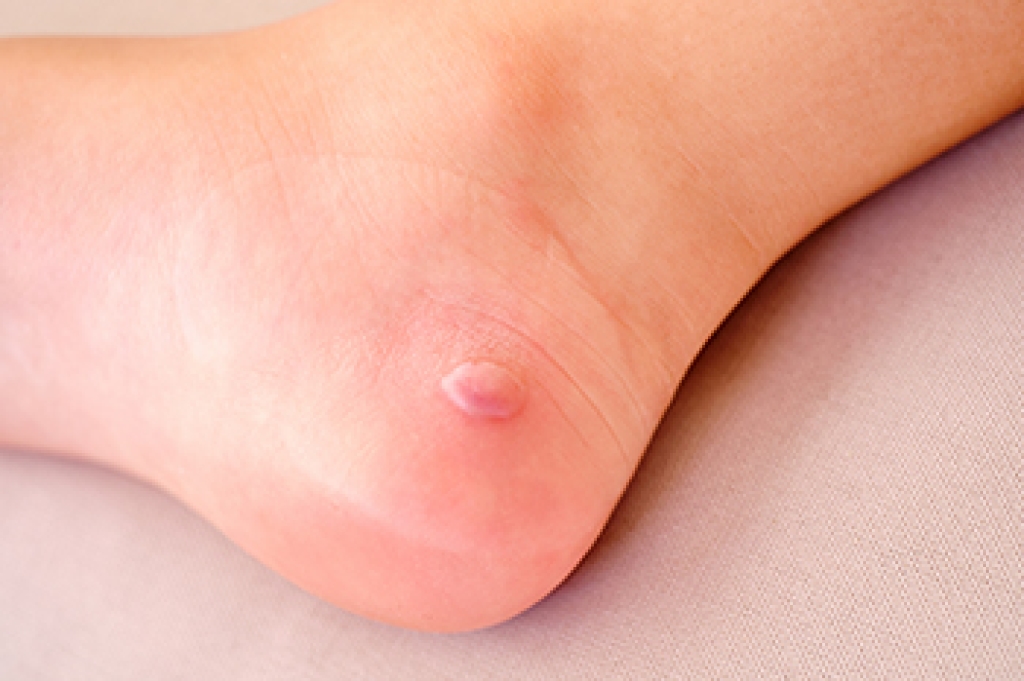
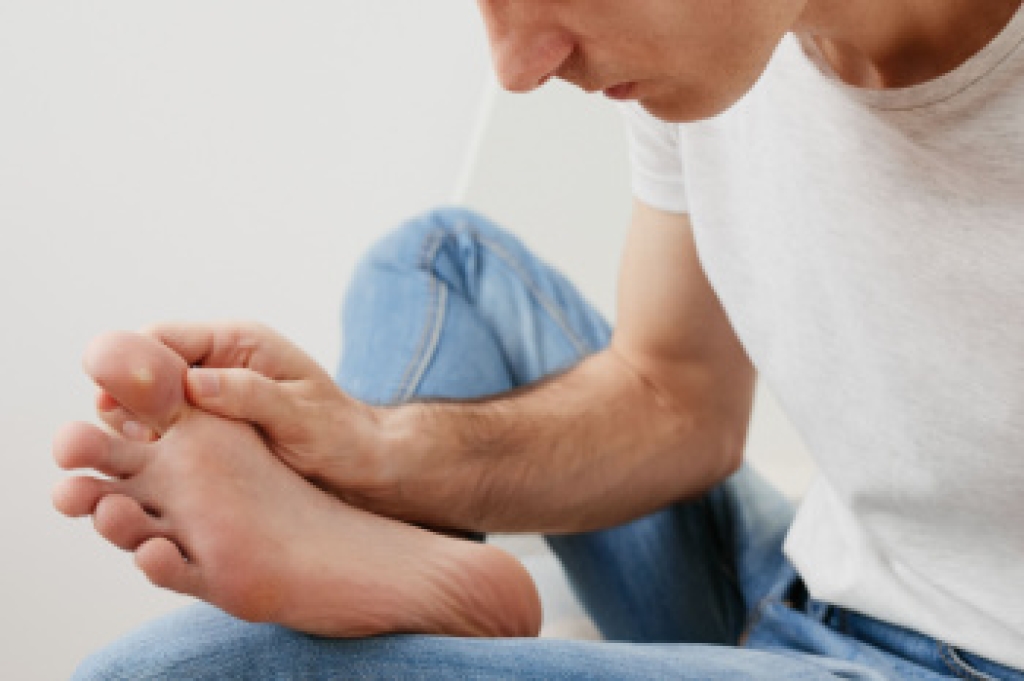
Plantar warts are small growths that appear on the soles of the feet, caused by the human papillomavirus, or HPV. They often develop in weight-bearing areas, such as the heels or balls of the feet, leading to discomfort or pain while walking. Plantar warts typically show up as rough, grainy bumps with black pinpoints, which are clotted blood vessels and may be surrounded by hardened skin. Treatment options include salicylic acid treatments, cryotherapy, or freezing, and prescription medications. In persistent cases, a podiatrist may perform minor surgical procedures to remove the wart. Diagnosis involves a visual examination and, occasionally, a biopsy to rule out other skin conditions. Recovery time varies depending on the treatment method, but keeping the area clean and avoiding pressure on the wart can aid healing. Do not attempt to cut or pick at the wart, as this can spread the virus or cause infection. If you believe you have a plantar wart, it is suggested that you schedule an appointment with a podiatrist for an accurate diagnosis and effective treatment.

Plantar warts can be very uncomfortable. If you need your feet checked, contact one of our podiatrists from Dr. Jeffrey J. Betman & Associates . Our doctors will assist you with all of your foot and ankle needs.

About Plantar Warts

Plantar warts are the result of HPV, or human papillomavirus, getting into open wounds on the feet. They are mostly found on the heels or balls of the feet.

While plantar warts are generally harmless, those experiencing excessive pain or those suffering from diabetes or a compromised immune system require immediate medical care. Plantar warts are easily diagnosed, usually through scraping off a bit of rough skin or by getting a biopsy.

Symptoms

  • Lesions on the bottom of your feet, usually rough and grainy
  • Hard or thick callused spots
  • Wart seeds, which are small clotted blood vessels that look like little black spots
  • Pain, discomfort, or tenderness of your feet when walking or standing

Treatment

  • Freezing
  • Electric tool removal
  • Laser Treatment
  • Topical Creams (prescription only)
  • Over-the-counter medications

To help prevent developing plantar warts, avoid walking barefoot over abrasive surfaces that can cause cuts or wounds for HPV to get into. Avoiding direct contact with other warts, as well as not picking or rubbing existing warts, can help prevent the further spread of plantar warts. However, if you think you have developed plantar warts, speak to your podiatrist. He or she can diagnose the warts on your feet and recommend the appropriate treatment options.

If you have any questions, please feel free to contact our offices located in Northwest Chicago, Southwest Chicago, and Wicker Park, Chicago, IL . We offer the newest diagnostic and treatment technologies for all your foot care needs.

Read more about Plantar Warts

Wounds That Don't Heal Need to Be Checked

Your feet are covered most of the day. If you're diabetic, periodic screening is important for good health. Numbness is often a sign of diabetic foot and can mask a sore or wound.

Bunion Relief

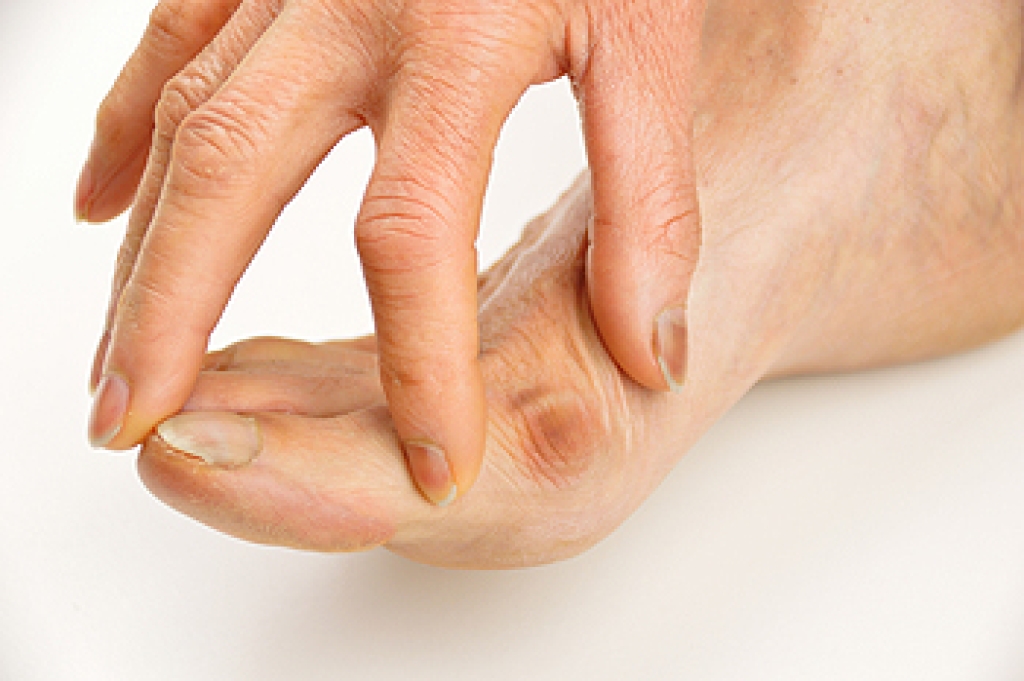
A bunion is a bony bump that forms on the joint at the base of the big toe, causing it to deviate towards the other toes. This condition, known as hallux valgus, can result from genetic predisposition, wearing tight or narrow shoes, arthritis, or stress on the foot. Symptoms include pain, swelling, redness, and difficulty in walking. Additionally, the skin over the bunion may gradually become thickened and tender. Diagnosis typically involves a physical examination and X-rays to assess the severity and underlying bone structure. Treatment options range from conservative methods such as wearing wider shoes, using orthotic devices, and taking anti-inflammatory medications, to more invasive procedures like bunion surgery for severe cases. Untreated bunions can lead to complications such as chronic pain, bursitis, hammertoe, and difficulty finding comfortable footwear. If you have a bunion that is causing you discomfort, it is suggested that you schedule an appointment with a podiatrist for a tailored treatment plan.

If you are suffering from bunion pain, contact one of our podiatrists of Dr. Jeffrey J. Betman & Associates . Our doctors can provide the care you need to keep you pain-free and on your feet.

What Is a Bunion?

Bunions are painful bony bumps that usually develop on the inside of the foot at the joint of the big toe. As the deformity increases over time, it may become painful to walk and wear shoes. Women are more likely to exacerbate existing bunions since they often wear tight, narrow shoes that shift their toes together. Bunion pain can be relieved by wearing wider shoes with enough room for the toes.

Causes

  • Genetics – some people inherit feet that are more prone to bunion development
  • Inflammatory Conditions - rheumatoid arthritis and polio may cause bunion development

Symptoms

  • Redness and inflammation
  • Pain and tenderness
  • Callus or corns on the bump
  • Restricted motion in the big toe

In order to diagnose your bunion, your podiatrist may ask about your medical history, symptoms, and general health. Your doctor might also order an x-ray to take a closer look at your feet. Nonsurgical treatment options include orthotics, padding, icing, changes in footwear, and medication. If nonsurgical treatments don’t alleviate your bunion pain, surgery may be necessary.

If you have any questions, please feel free to contact our offices located in Northwest Chicago, Southwest Chicago, and Wicker Park, Chicago, IL . We offer the newest diagnostic and treatment technologies for all your foot care needs.

Read more about Bunions

Ankle Injuries Common While Playing Tennis

Ankle injuries while playing tennis are more than just a minor setback, they can significantly impact a player's performance and overall well-being. Understanding some essential facts about these injuries can help players better prevent and manage them. Firstly, ankle sprains are the most common type of injury in tennis, often occurring due to sudden shifts in direction or awkward landings. These sprains can range from mild to severe, affecting ligaments and stability. Moreover, tennis players are particularly prone to lateral ankle sprains, where the foot rolls inward, stressing the outer ligaments. Additionally, repetitive stress on the ankle joint from the quick, lateral movements required in tennis can lead to overuse injuries like tendonitis. Proper warm-up routines, adequate footwear, and strengthening exercises targeting ankle stability can all play pivotal roles in reducing the risk of ankle injuries and ensuring a more enjoyable and injury-free tennis experience. If you have endured an ankle injury while playing tennis, it is suggested that you visit a podiatrist who can effectively treat this condition, and offer you prevention strategies.

Ankle and foot injuries are common among athletes and in many sports. They can be caused by several problems and may be potentially serious. If you are feeling pain or think you were injured in a sporting event or when exercising, consult with one of our podiatrists from Dr. Jeffrey J. Betman & Associates . Our doctors will assess your condition and provide you with quality foot and ankle treatment.

Common Injuries

The most common injuries that occur in sporting activities include:

  • Achilles Tendonitis
  • Achilles Tendon Rupture
  • Ankle Sprains
  • Broken Foot
  • Plantar Fasciitis
  • Stress Fractures
  • Turf Toe

Symptoms

Symptoms vary depending upon the injury and in some cases, there may be no symptoms at all. However, in most cases, some form of symptom is experienced. Pain, aching, burning, bruising, tenderness, tightness or stiffness, sensation loss, difficulty moving, and swelling are the most common symptoms.

Treatment

Just as symptoms vary depending upon the injury, so do treatment options. A common treatment method is known as the RICE method. This method involves rest, applying ice, compression and elevating the afflicted foot or ankle. If the injury appears to be more serious, surgery might be required, such as arthroscopic or reconstructive surgery. Lastly, rehabilitation or therapy might be needed to gain full functionality in the afflicted area. Any discomfort experienced by an athlete must be evaluated by a licensed, reputable medical professional.  

If you have any questions please contact our offices located in Northwest Chicago, Southwest Chicago, and Wicker Park, Chicago, IL . We offer the newest diagnostic and treatment technologies for all your foot and ankle needs.

Read more about Sports Related Foot and Ankle Injuries

The Annoyance of Friction Blisters on the Feet

Friction blisters on the feet can transform a pleasant stroll into a painful ordeal. These irritating nuisances arise from repeated rubbing against the skin, causing it to blister and fill with fluid. Typically occurring on pressure points or where shoes constantly rub, symptoms can include discomfort, swelling, and sometimes even pain. The duration varies. While some resolve within a few days, others can linger for weeks, hindering mobility and comfort. Treating friction blisters involves cleaning the area with mild soap and water, then applying a bandage to protect the skin and promote healing. However, for persistent or severe cases, it is suggested that you seek guidance from a podiatrist who can offer tailored solutions to address your specific situation.

Blisters may appear as a single bubble or in a cluster. They can cause a lot of pain and may be filled with pus, blood, or watery serum. If your feet are hurting, contact one of our podiatrists of Dr. Jeffrey J. Betman & Associates . Our doctors can provide the care you need to keep you pain-free and on your feet.

Foot Blisters

Foot blisters are often the result of friction. This happens due to the constant rubbing from shoes, which can lead to pain.

What Are Foot Blisters?

A foot blister is a small fluid-filled pocket that forms on the upper-most layer of the skin. Blisters are filled with clear fluid and can lead to blood drainage or pus if the area becomes infected.

Symptoms

(Blister symptoms may vary depending on what is causing them)

  • Bubble of skin filled with fluid
  • Redness
  • Moderate to severe pain
  • Itching

Prevention & Treatment

In order to prevent blisters, you should be sure to wear comfortable shoes with socks that cushion your feet and absorb sweat. Breaking a blister open may increase your chances of developing an infection. However, if your blister breaks, you should wash the area with soap and water immediately and then apply a bandage to the affected area. If your blisters cause severe pain it is important that you call your podiatrist right away.

If you have any questions, please feel free to contact our offices located in Northwest Chicago, Southwest Chicago, and Wicker Park, Chicago, IL . We offer the newest diagnostic and treatment technologies for all your foot care needs.

Read more about Blisters

Connect With Us